
Which materials are suitable for vacuum molding?
author: DJ-04
2024-11-22
Which materials are suitable for vacuum molding?
Vacuum forming is a process used to form plastics and composite materials, and many materials are suitable for use in the vacuum forming process. Here are some commonly used materials suitable for vacuum forming:
Plastic materials:
Polypropylene (PP): Polypropylene is a commonly used plastic material suitable for vacuum forming, with good formability and durability.
Polyethylene (PE): Polyethylene is also a common plastic material suitable for vacuum forming, and is commonly used to produce products such as packaging containers and trays.
Polystyrene (PS): Polystyrene is a commonly used transparent plastic suitable for vacuum forming, used to make transparent packaging, tableware and other products.
Polycarbonate (PC): Polycarbonate has excellent transparency and impact resistance, suitable for vacuum forming, and is often used to make products with high transparency.
Polyvinyl chloride (PVC): Polyvinyl chloride is a common plastic material suitable for vacuum forming, used to produce products such as pipes and window frames.

Composites:
Glass fiber reinforced plastic (GRP): Glass fiber reinforced plastic is a commonly used composite material suitable for vacuum forming, used to make lightweight, high-strength products.
Carbon fiber composite (CFRP): Carbon fiber composite has excellent strength and stiffness, suitable for vacuum forming, and is commonly used in the aerospace and automotive industries.
Other materials:
Rubber: Rubber materials can also be used in the vacuum forming process to make seals, hoses and other products.
Silicone: Silicone is a soft and elastic material suitable for vacuum forming and is used to make seals, elastic parts and other products.
These materials can maintain stable performance and shape during vacuum forming and are suitable for the production of various plastic products and composite products. It is very important to choose the right material according to the needs and required characteristics of the product.
How to control the precision of machined products
CNC engraving technology leads a new era of precision manufacturing
Related Article

This article analyzes the prospects of the custom parts industry from three aspects: market demand, technological innovation, and challenges and opportunities, with specific cases to illustrate its development trends.
Analysis of the Prospects of the Custom Parts Industry
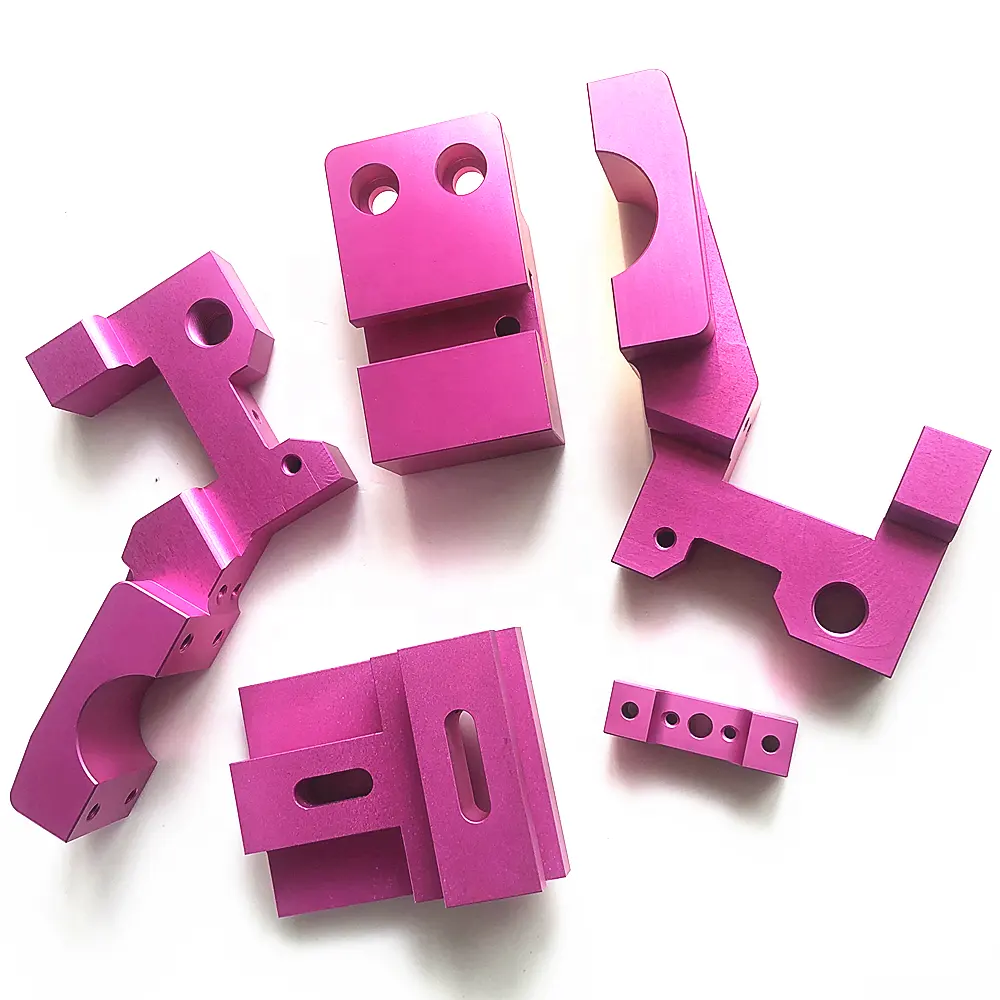
This article details CNC precision technology, covering its definition, applications in aerospace and electronics, advantages like high precision and automation, and its promising future in the manufacturing industry.
CNC Precision Technology: The Core Code of Modern Manufacturing and Its Infinite Potential
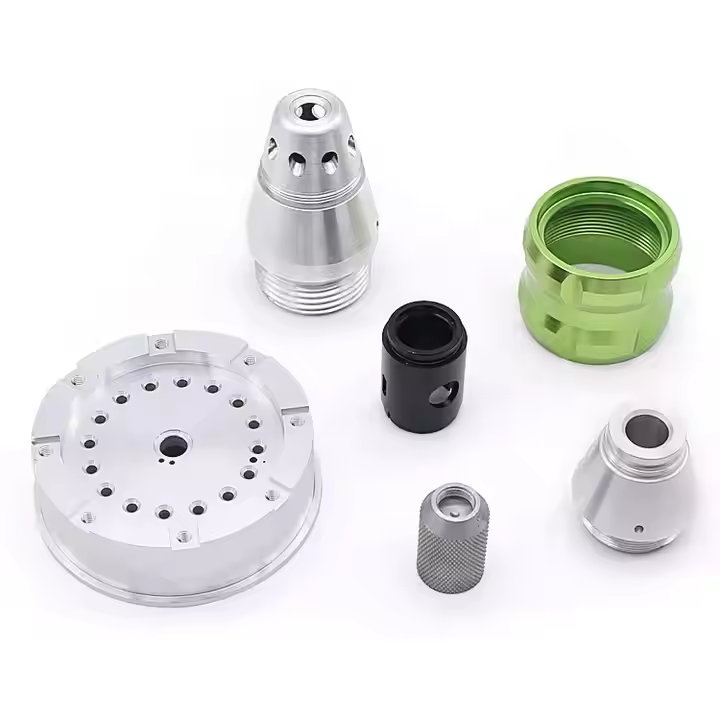
This part focuses on the shipbuilding industry, presenting a case of CNC technology application in the processing of large - scale ship propellers. It showcases how CNC technology addresses challenges in this field, improving processing efficiency and product quality, thus highlighting its significance in ship manufacturing.
CNC Technology Application Cases (Part 2)
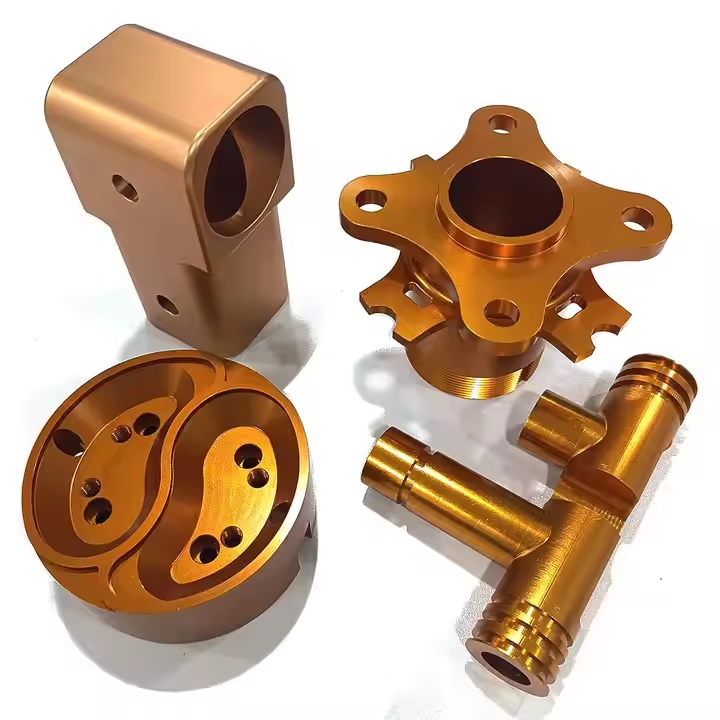
This article focuses on the medical device manufacturing and 3C product manufacturing fields. Through specific cases, it elaborates on the remarkable achievements of CNC technology in manufacturing complex and precise components and improving product quality, demonstrating its crucial role in related industries.
CNC Technology Application Cases (Part 1)