
Ultrasonic cleaning application scope and advantages
author: DJ-02
2024-12-24
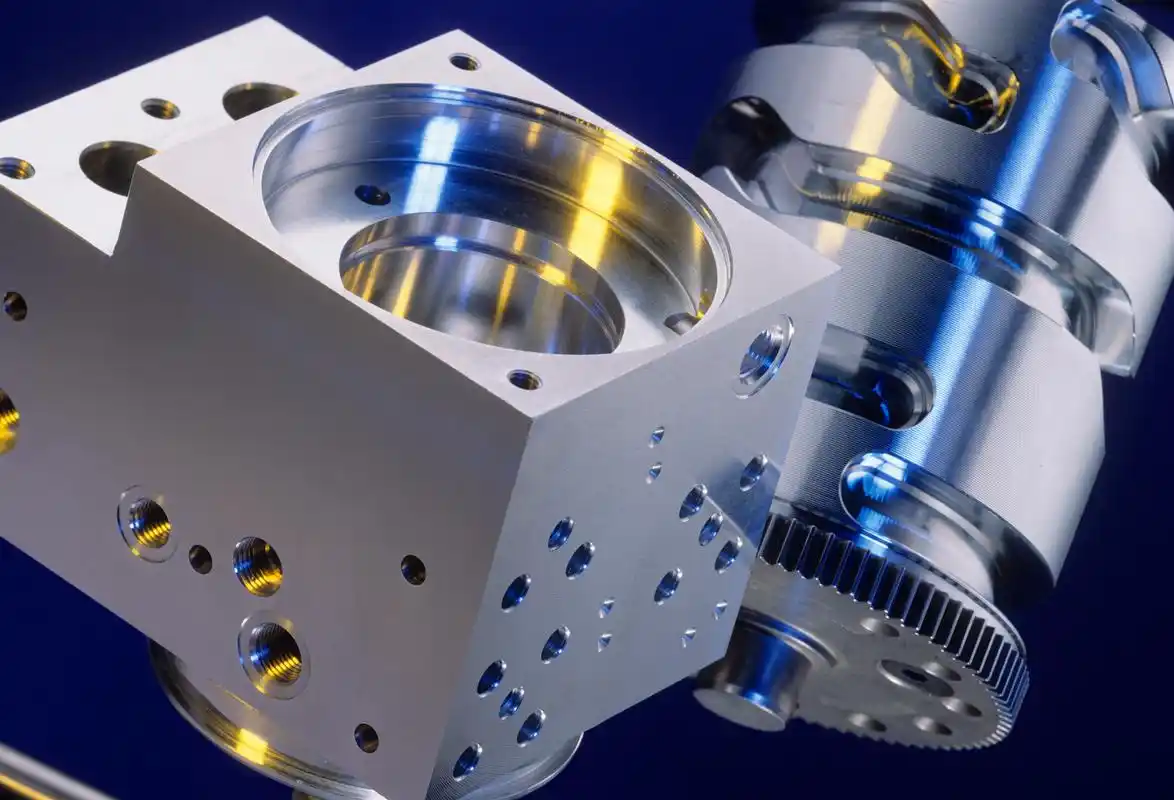
1.Ultrasonic cleaning has a wide range of applications and is suitable for the following situations:
Electronic industry:
Cleaning circuit boards, electronic components and other precision devices, removing welding residues and oxides.
Medical industry:
Used to clean surgical instruments, dental instruments and other medical equipment to ensure sterility and cleanliness.
Jewelry industry:
Cleaning jewelry, removing dirt and grease to restore its luster.
Automotive industry:
Cleaning engine parts, fuel injectors and other mechanical parts to remove sediment and oil.
Optical industry:
Cleaning optical lenses, lenses and other optical components to ensure clarity and precision.
Industrial applications:
Used to clean molds, parts and various equipment, especially complex shapes that are difficult to clean manually.

2.Advantages
Efficient cleaning: Ability to clean a large number of workpieces in a short time.
Thoroughness: Ability to clean places that are difficult to reach with traditional methods.
Mildness: The cleaning process is not easy to damage the workpiece, suitable for precision parts.
Environmental protection: Water-based cleaning fluids can be used to reduce the use of chemical solvents.
3.Precautions
Choose the right frequency: Ultrasonic waves of different frequencies are suitable for different types of cleaning tasks.
Selection of cleaning fluid: Choose the appropriate cleaning fluid according to the cleaning object to improve the cleaning effect.
Cleaning time control: Avoid cleaning for too long to avoid damage to certain sensitive materials.
4.Summary
Ultrasonic cleaning is an efficient and thorough cleaning method that is widely used in many industries and is suitable for cleaning workpieces of various shapes and materials. By utilizing the cavitation phenomenon, ultrasonic cleaning can effectively remove surface dirt and impurities and is an important part of modern cleaning technology.
What are the differences between deburring methods for different materials?
Principles of Ultrasonic Cleaning
Related Article

This article analyzes the prospects of the custom parts industry from three aspects: market demand, technological innovation, and challenges and opportunities, with specific cases to illustrate its development trends.
Analysis of the Prospects of the Custom Parts Industry
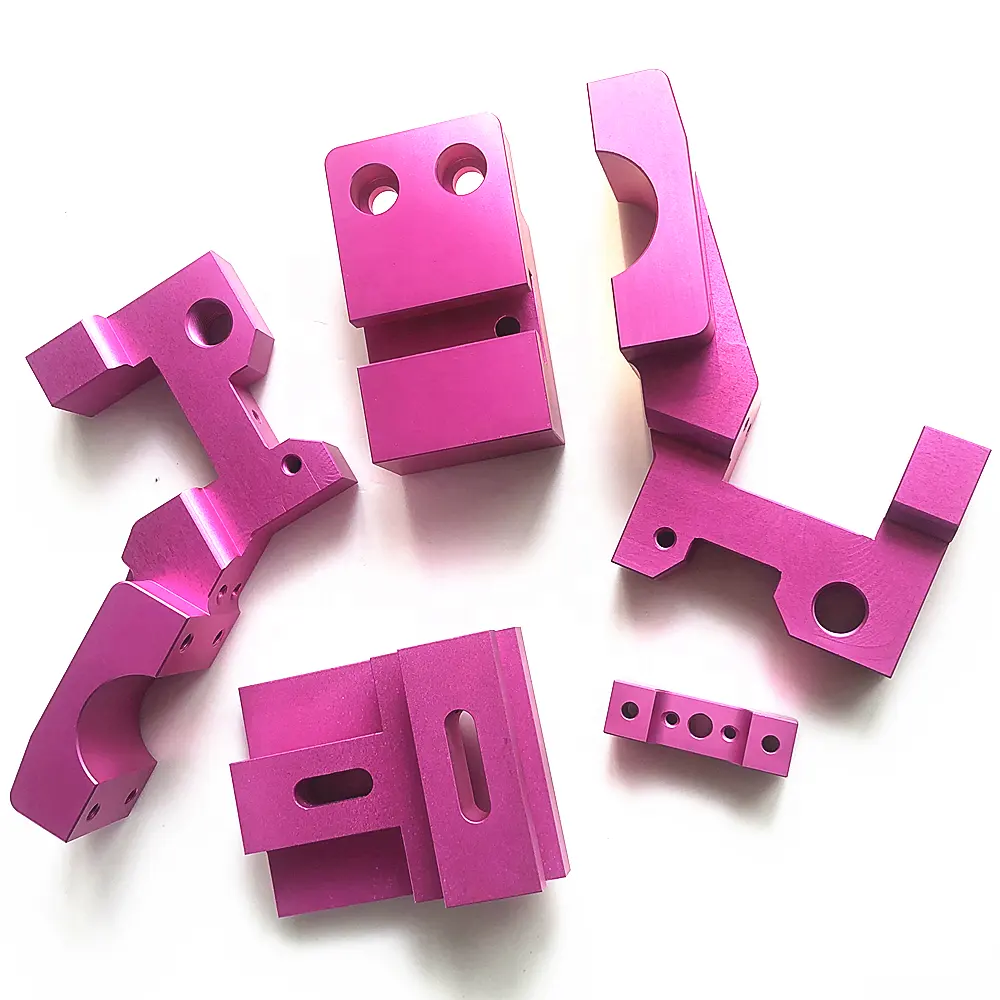
This article details CNC precision technology, covering its definition, applications in aerospace and electronics, advantages like high precision and automation, and its promising future in the manufacturing industry.
CNC Precision Technology: The Core Code of Modern Manufacturing and Its Infinite Potential
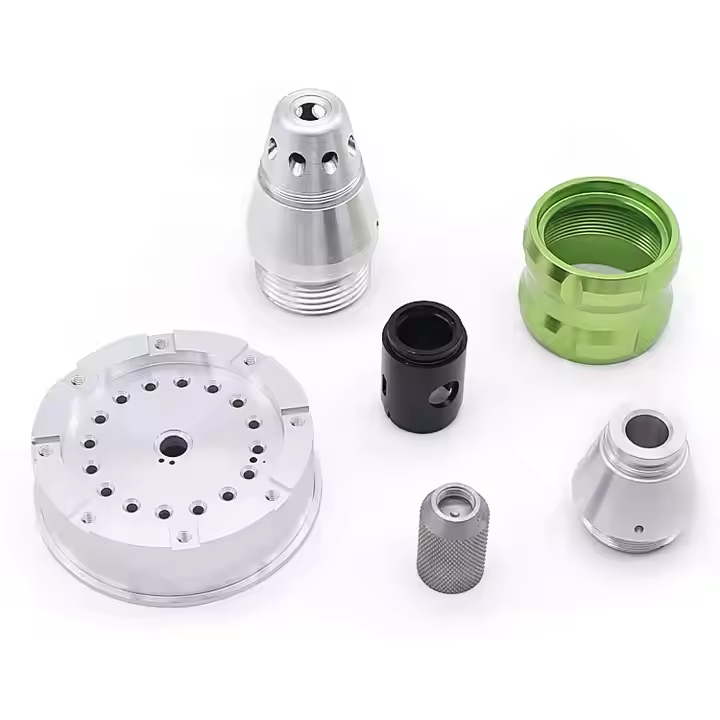
This part focuses on the shipbuilding industry, presenting a case of CNC technology application in the processing of large - scale ship propellers. It showcases how CNC technology addresses challenges in this field, improving processing efficiency and product quality, thus highlighting its significance in ship manufacturing.
CNC Technology Application Cases (Part 2)
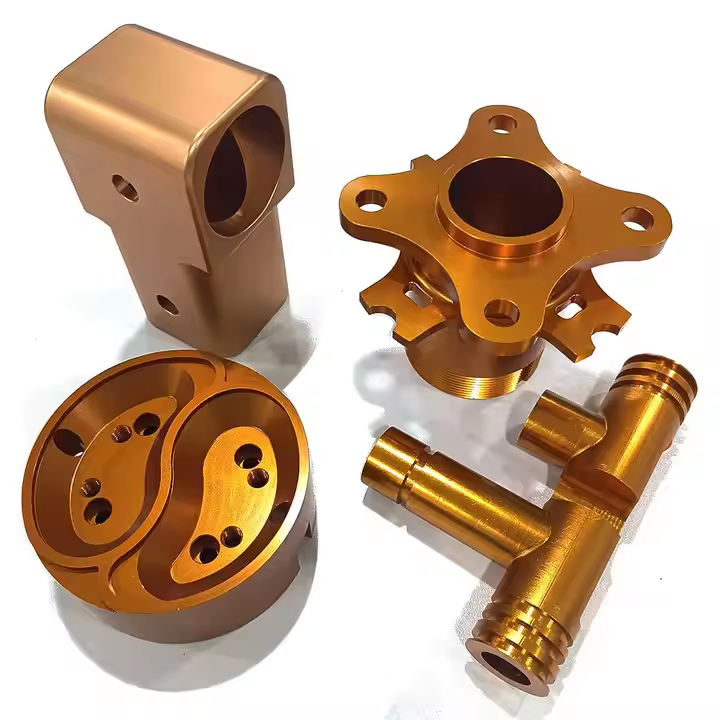
This article focuses on the medical device manufacturing and 3C product manufacturing fields. Through specific cases, it elaborates on the remarkable achievements of CNC technology in manufacturing complex and precise components and improving product quality, demonstrating its crucial role in related industries.
CNC Technology Application Cases (Part 1)