
Specific types of spraying processe
author: DJ-02
2024-12-24
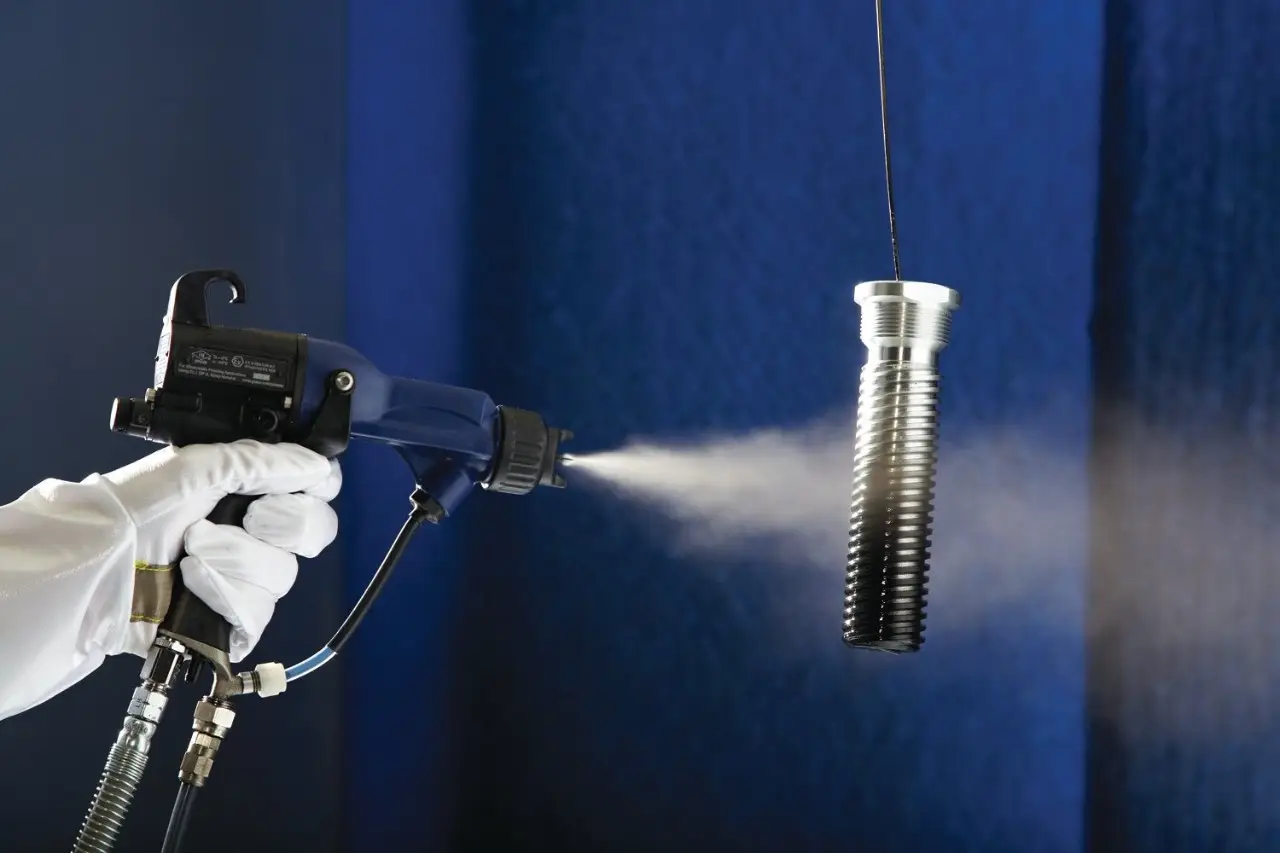
Spraying is a common surface treatment method, widely used in coating, decoration and protection of workpiece surfaces. The following are some specific types of spraying processes:
1. Electrostatic spraying
Principle: Using the principle of electrostatic attraction, the paint is charged and then sprayed onto the surface of the workpiece.
Advantages: Uniform coating, strong adhesion, and reduced paint waste.
2. Spray gun spraying
Principle: Use air pressure to spray the paint to form mist particles covering the surface of the workpiece.
Type:
Air spraying: Use compressed air to spray.
Airless spraying: Do not use air and use a high-pressure pump to spray the paint.
3. Thermal spraying
Principle: Heat the paint to a molten state and spray it onto the surface of the workpiece to form a coating.
Application: Commonly used to repair worn parts and improve wear resistance.
4. Electrophoretic spraying
Principle: Use an electric field to make the charged paint migrate to the surface of the object being coated in the liquid.
Advantages: The coating is uniform and can cover workpieces of complex shapes. It is often used in the automotive industry.

5. Powder spraying
Principle: Use electrostatic spraying to spray dry powder paint onto the surface of the workpiece, and then melt and solidify it by heating.
Advantages: Environmentally friendly, strong coating adhesion and good wear resistance.
6. Spray coating (liquid coating)
Principle: Use liquid paint to spray on the surface of the workpiece through a spray gun to form a coating.
Type:
Water-based paint spraying: Use water as a solvent, which is more environmentally friendly.
Solvent-based paint spraying: Use organic solvents, dry quickly but are less environmentally friendly.
7. Gas spraying
Principle: Use high-temperature gas (such as hydrogen, nitrogen) to spray the paint onto the surface of the workpiece.
Application: Mostly used for surface treatment of special alloy materials.
8. Mechanical spraying
Principle: Use a mechanical device to spray the paint onto the surface of the workpiece.
Application: Suitable for large-scale production and automated spraying.
Summary
The choice of spraying process depends on the properties of the paint, the workpiece material, the production scale, and the required coating performance. Different types of spraying processes have their own advantages and disadvantages and are suitable for different application scenarios.
Development Trends of Precision Machining Equipment
Optimization of Precision Machining Parts Process
Related Article

This article analyzes the prospects of the custom parts industry from three aspects: market demand, technological innovation, and challenges and opportunities, with specific cases to illustrate its development trends.
Analysis of the Prospects of the Custom Parts Industry
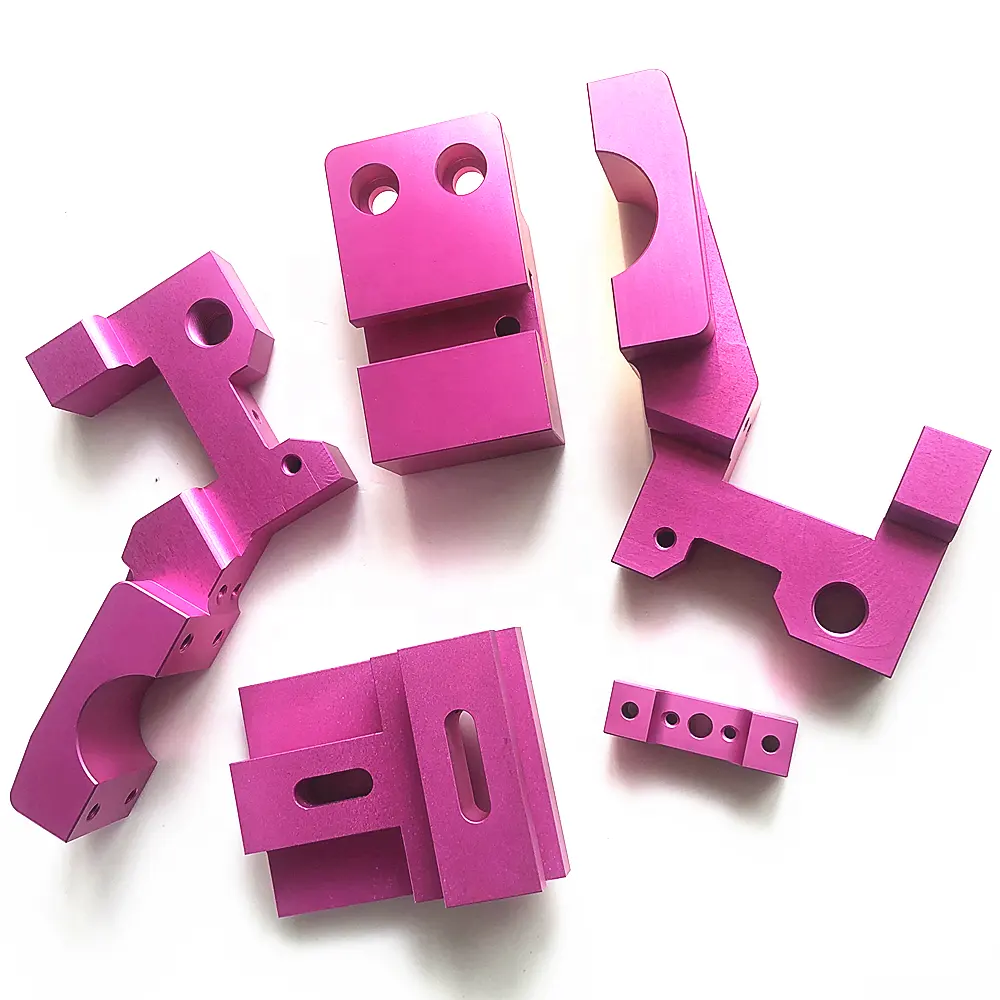
This article details CNC precision technology, covering its definition, applications in aerospace and electronics, advantages like high precision and automation, and its promising future in the manufacturing industry.
CNC Precision Technology: The Core Code of Modern Manufacturing and Its Infinite Potential
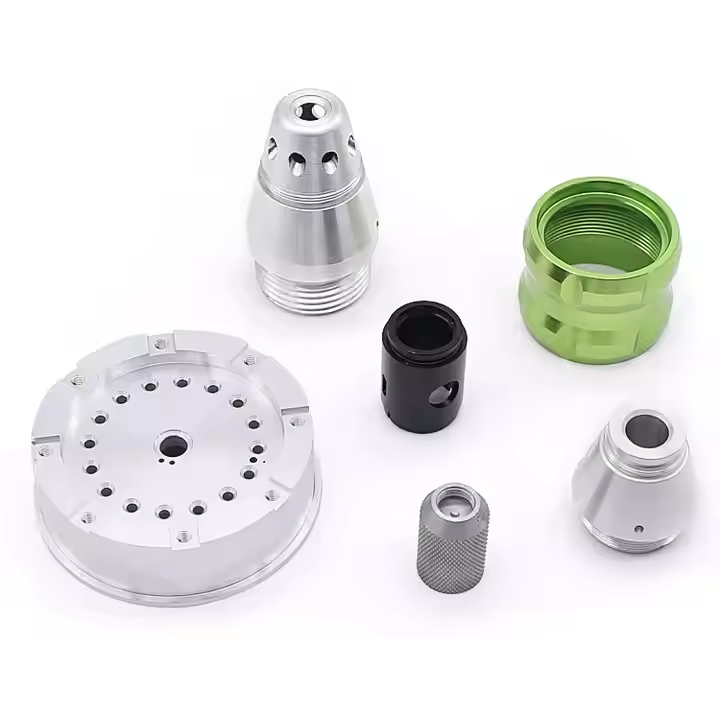
This part focuses on the shipbuilding industry, presenting a case of CNC technology application in the processing of large - scale ship propellers. It showcases how CNC technology addresses challenges in this field, improving processing efficiency and product quality, thus highlighting its significance in ship manufacturing.
CNC Technology Application Cases (Part 2)
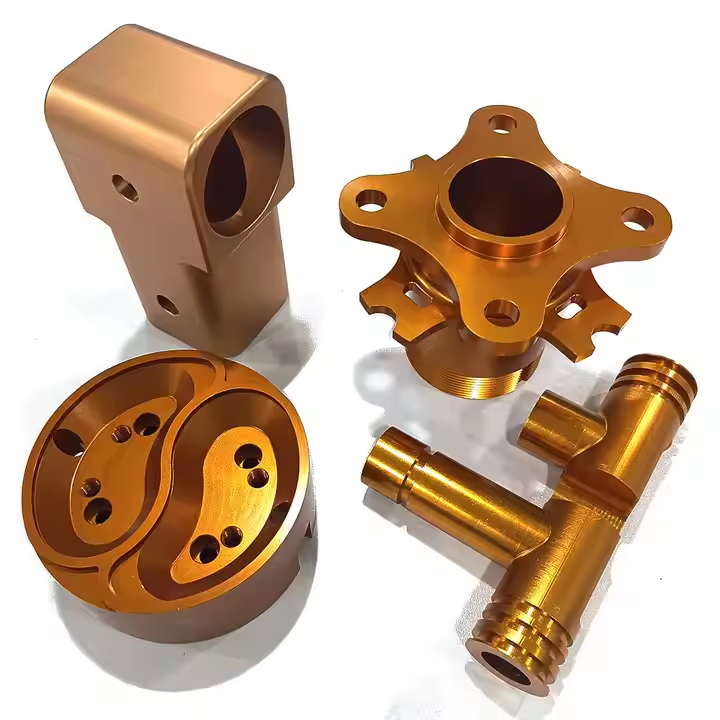
This article focuses on the medical device manufacturing and 3C product manufacturing fields. Through specific cases, it elaborates on the remarkable achievements of CNC technology in manufacturing complex and precise components and improving product quality, demonstrating its crucial role in related industries.
CNC Technology Application Cases (Part 1)