
What are the issues worth noting about tapping?
author: DJ-04
2024-12-05
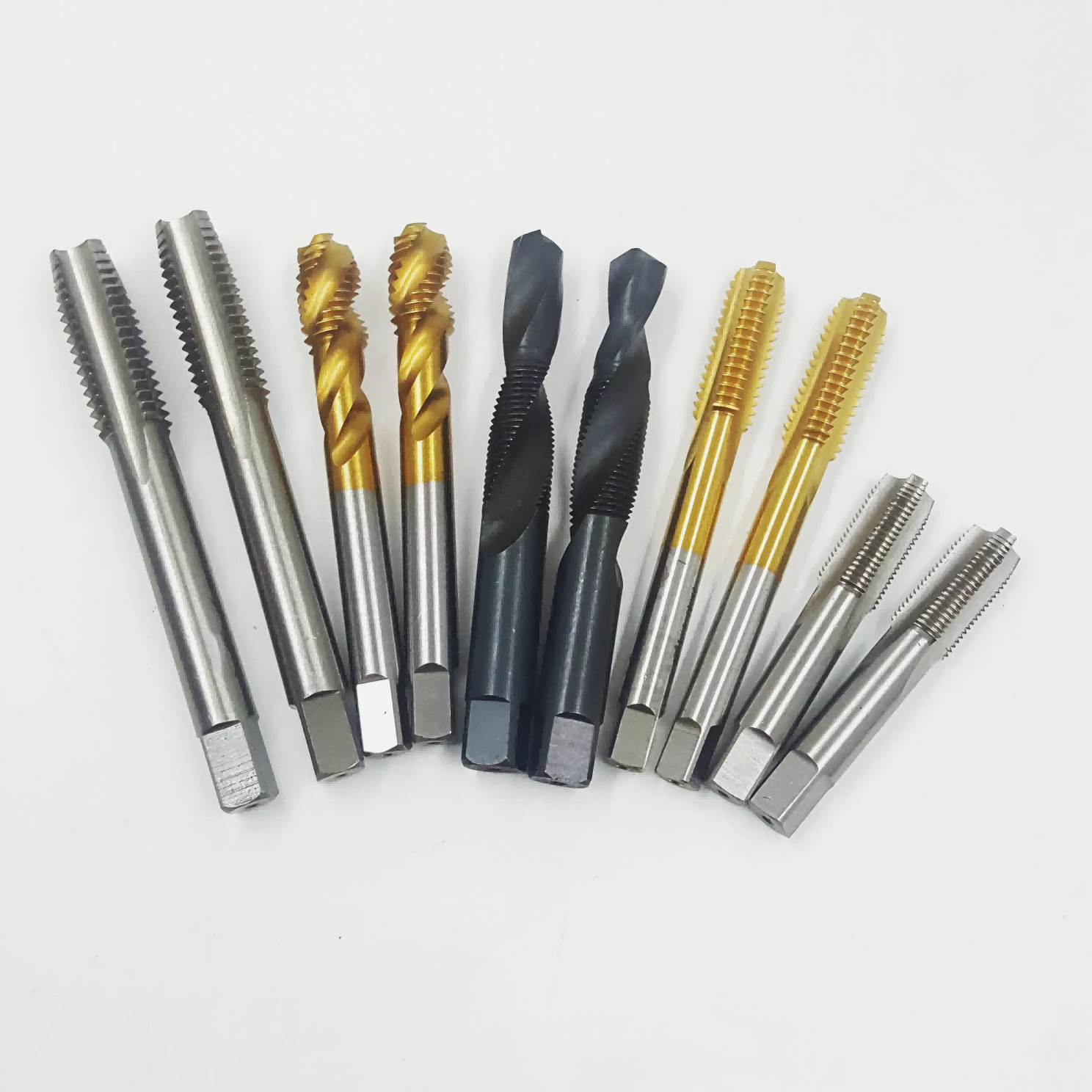
What are the issues worth noting about tapping?
In modern manufacturing processes, tapping is a vital process and is widely used in the production of various mechanical parts and equipment. However, problems such as tap sticking, excessive wear, chipping of the cutting surface, overheating, rough thread surfaces, and excessive frictional resistance and power requirements are often encountered during tapping. These problems not only affect processing efficiency, but may also lead to reduced product quality and increased production costs. Therefore, an in-depth understanding of the causes and solutions of common problems in the tapping process is of great significance for improving processing quality and production efficiency. This article will discuss in detail six common problems in the tapping process, analyze their causes, and provide corresponding solutions. By systematically understanding and solving these problems, manufacturing companies can significantly improve the stability and reliability of the tapping process, thereby ensuring product quality, reducing production costs, and enhancing market competitiveness.
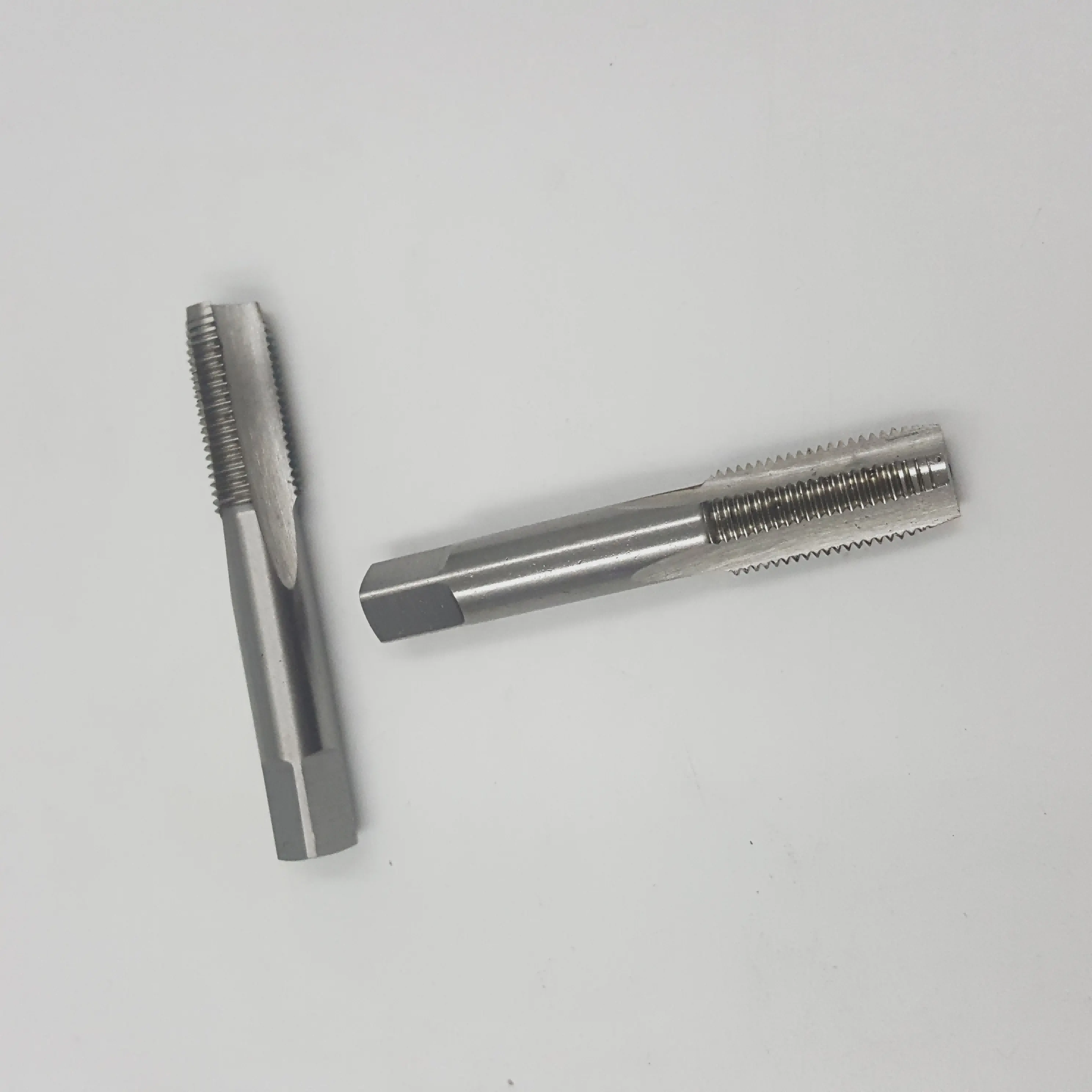
Problem 1: Tap is sticky or stuck
If a tap sticks or gets stuck in the hole, the solution is similar to if the tap tears the threads. First, check whether you are using enough and suitable lubricant, don’t skimp! Make sure your tapping drill bit is the correct size, as being too small can put unnecessary stress on the tap and workpiece. Another common cause could be poor chip behavior.
Problem 2: The tap wears too fast
If a tap wears out too quickly, it could be because the material is particularly abrasive or contains inclusions. This is when the surface treatment of the tap needs to be re-evaluated. It may also be a symptom of poor alignment. Make sure the axes of the hole and tap are perfectly aligned. Poor alignment is one of the common causes of tapping failure.
Problem 3: Cracking of the cutting surface
Once the cutting surface of the tap starts to crack, the problem only worsens. Whether the cutting surface angle is incorrect or a different surface treatment is required, adjustments should be made as soon as possible.
Problem 4: Tap overheating
As with most tap-related problems, the first thing to check is that enough lubricant has been applied. This reduces friction and pressure and helps remove chips, which can cause the tap to overheat during use. Make sure the tap is sharp and don't go overboard with speed. Tapping speed is not static and needs to be adjusted based on the tool and workpiece.
Another cause of overheating taps can be improper tool geometry. The tooth width may need to be reduced for better chip removal. The pitch diameter of the tap may also need to be adjusted to reduce side contact with the workpiece. The longer the contact time, the more excess heat is generated.
Problem 5: The thread surface is rough
If the thread surface quality is poor, first check the amount and type of lubricant and the sharpness of the tool. Tool geometry is also important here – the pitch diameter, the angle of the cutting face or the number of chamfered threads can all affect the results. Too much side contact can create too much heat and friction, resulting in a rough metal surface. Reducing the pitch diameter can alleviate this problem.
In some cases, improper cutting surface angle (usually too small) may be the problem. Poor chip formation and evacuation results in a rough surface, which is primarily controlled by the cutting face angle. Likewise, more chamfered threads may be needed to distribute torque and reduce stress, thereby improving surface finish.
Problem 6: Frictional resistance and power requirements are too large
There are many variables that can lead to extra friction or excessive power requirements, but regardless, extra power requirements are undoubtedly a waste of resources and machine life. First check the type and amount of lubricant, make sure the tap is sharp (or new), and aligned correctly. Tool geometry also plays an important role in reducing and managing friction. The pitch diameter naturally controls the friction generated during tapping, as well as the cutting face angle and point size. Tapping speeds that are too fast or too slow can cause machine strain and additional friction.
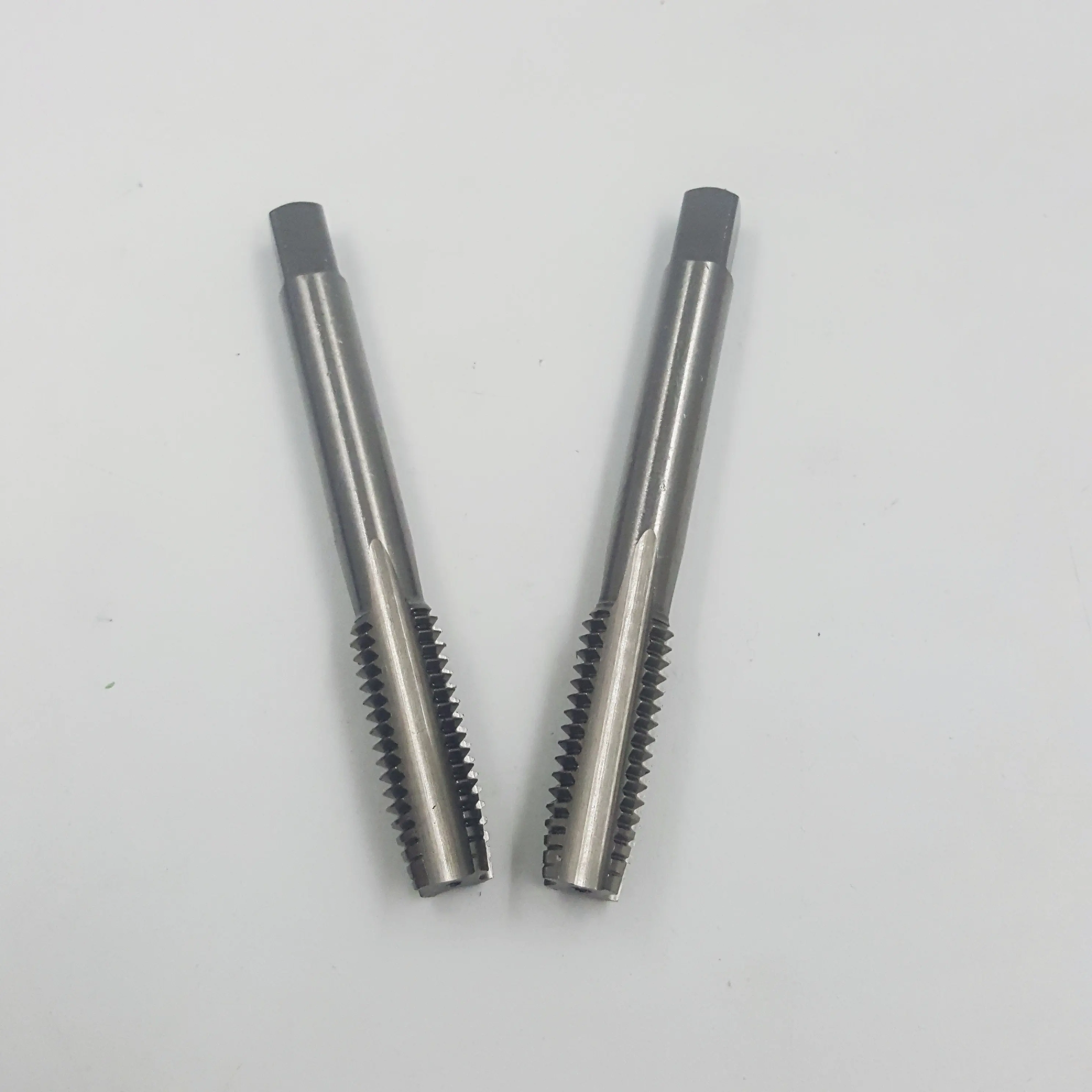
If the problem is power output, then the problem may be more with the machine than the process. If the power output of the machine cannot meet the demands of the job, the result is higher energy requirements or additional friction in the machining process. Make sure not to overdo it and use it as designed.
The Wonderful World of Turning Processing: A Fusion of Precision and Power
Vacuum Laminating: An Innovative Craft for Material Bonding
Related Article

This article analyzes the prospects of the custom parts industry from three aspects: market demand, technological innovation, and challenges and opportunities, with specific cases to illustrate its development trends.
Analysis of the Prospects of the Custom Parts Industry
This article details CNC precision technology, covering its definition, applications in aerospace and electronics, advantages like high precision and automation, and its promising future in the manufacturing industry.
CNC Precision Technology: The Core Code of Modern Manufacturing and Its Infinite Potential
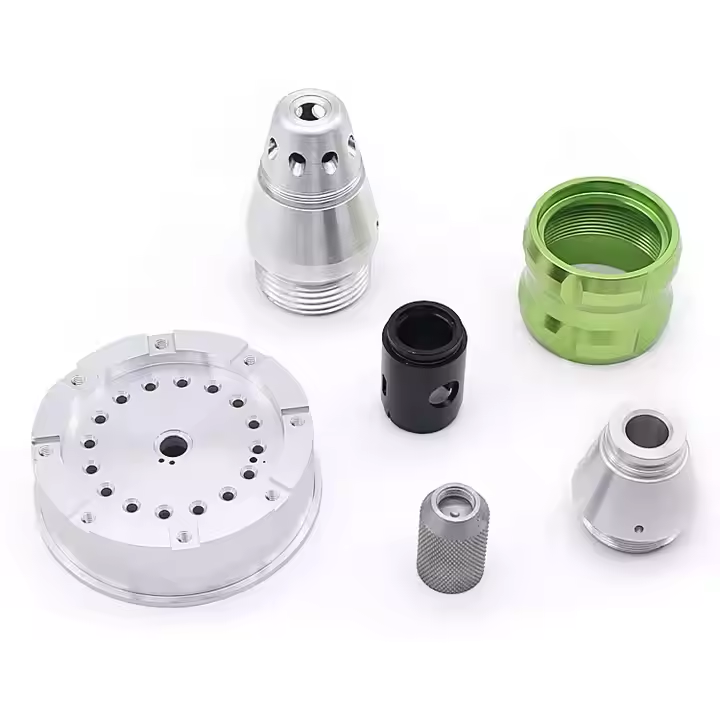
This part focuses on the shipbuilding industry, presenting a case of CNC technology application in the processing of large - scale ship propellers. It showcases how CNC technology addresses challenges in this field, improving processing efficiency and product quality, thus highlighting its significance in ship manufacturing.
CNC Technology Application Cases (Part 2)
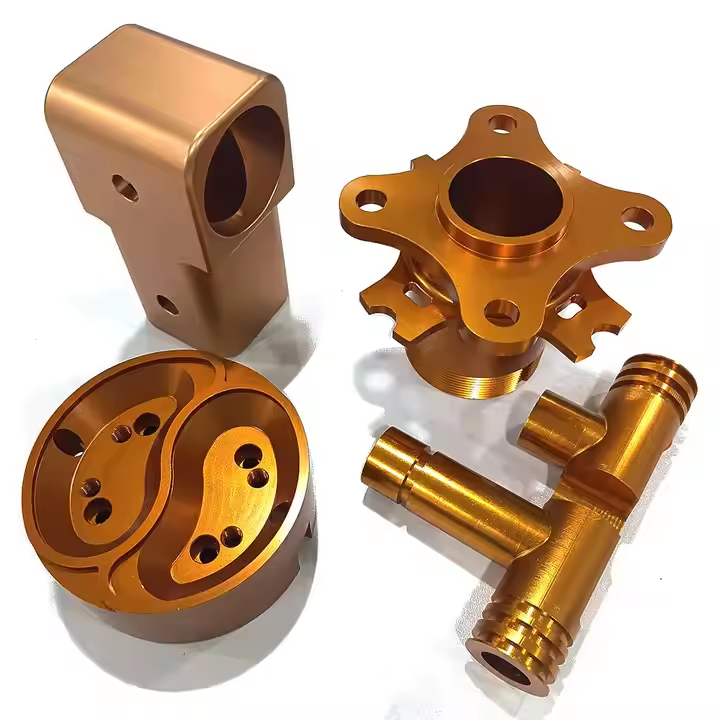
This article focuses on the medical device manufacturing and 3C product manufacturing fields. Through specific cases, it elaborates on the remarkable achievements of CNC technology in manufacturing complex and precise components and improving product quality, demonstrating its crucial role in related industries.
CNC Technology Application Cases (Part 1)