
Commonly used materials and applications for sheet metal processing
author: DJ-02
2024-10-14
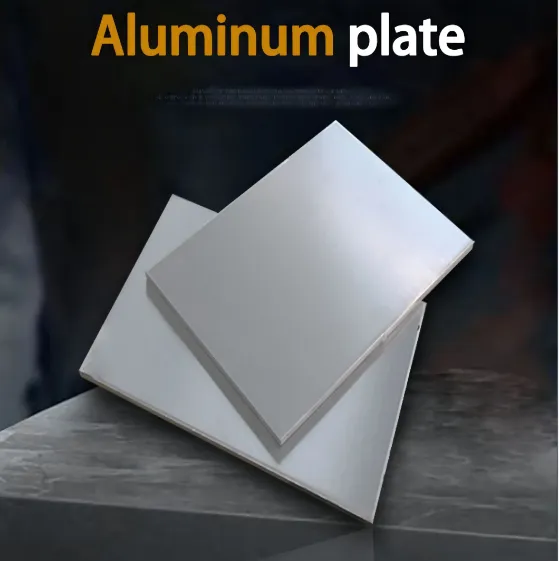
Aluminum : Common grades include 5052, 6061, 7075, etc., which are used in automotive parts, electrical equipment, and cookware. They have many advantages, including a good strength-to-weight ratio and high electrical conductivity.
Aluminized steel: This metal combines the high strength of carbon steel with the excellent corrosion resistance of aluminum. Aluminized steel is used for products that are exposed to high temperatures, such as kitchen utensils.
Carbon steel: Carbon steel is used in a range of products in both industrial and consumer markets. It is a steel alloy that contains carbon, and after heat treatment, the hardness and strength of the material increase.
Copper: Examples of products made from copper are gutters, roofs, rain gutters, and doors. Copper has higher electrical and thermal conductivity than aluminum, but it is also more expensive.

Galvanized steel: Galvanized steel is often used to make car bodies, water pipes, fences, roofs, and stairs. It is made by applying zinc to steel through a hot-dip process, which helps make it more corrosion-resistant.
High-strength steel: Military armor plates are often made from high-strength steel. The material is made by alloying steel with a range of elements such as carbon, manganese, and copper. This helps increase its hardness.
Stainless steel: Common grades include SUS304/SUS316, etc., which are used in kitchen containers, chemical storage tanks, and food processing machinery. Stainless steel has excellent corrosion resistance, fire resistance and heat resistance, strength-to-weight ratio, and manufacturability.
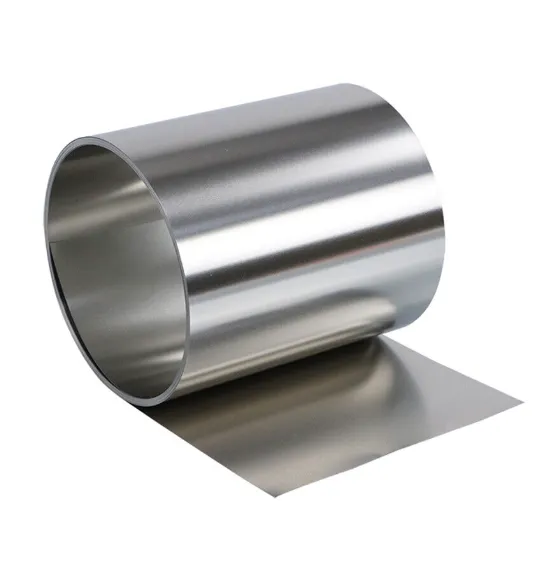
Titanium : Typical products made of titanium include aviation parts, medical equipment, and building elements. It is mainly used for its high strength-to-weight ratio and corrosion resistance.
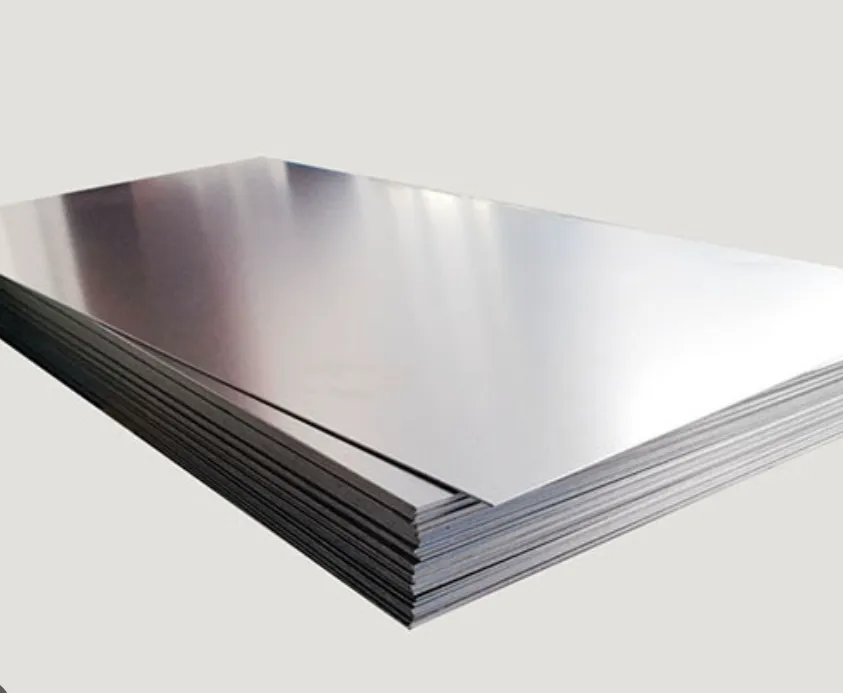
What kind of products need CNC processing?
What processes does sheet metal processing include?
Related Article

This article analyzes the prospects of the custom parts industry from three aspects: market demand, technological innovation, and challenges and opportunities, with specific cases to illustrate its development trends.
Analysis of the Prospects of the Custom Parts Industry

This article details CNC precision technology, covering its definition, applications in aerospace and electronics, advantages like high precision and automation, and its promising future in the manufacturing industry.
CNC Precision Technology: The Core Code of Modern Manufacturing and Its Infinite Potential

This part focuses on the shipbuilding industry, presenting a case of CNC technology application in the processing of large - scale ship propellers. It showcases how CNC technology addresses challenges in this field, improving processing efficiency and product quality, thus highlighting its significance in ship manufacturing.
CNC Technology Application Cases (Part 2)
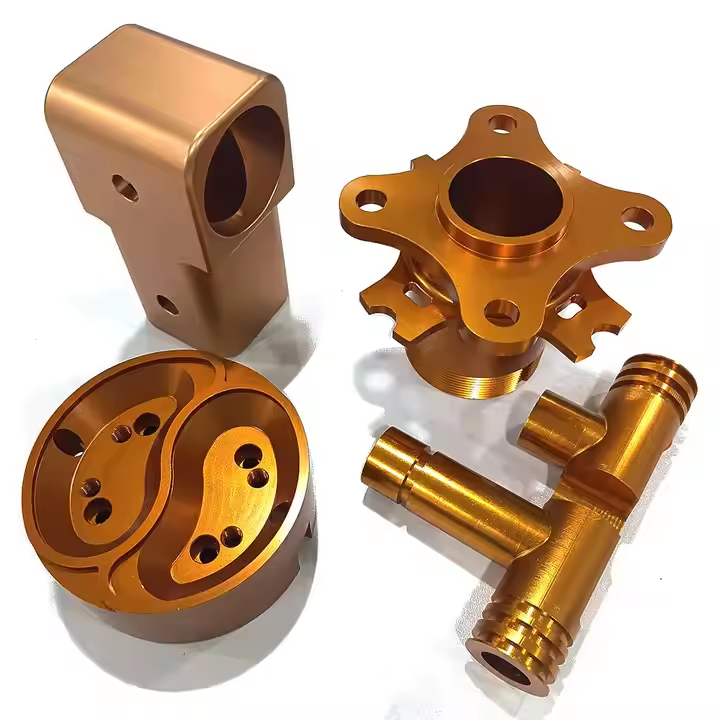
This article focuses on the medical device manufacturing and 3C product manufacturing fields. Through specific cases, it elaborates on the remarkable achievements of CNC technology in manufacturing complex and precise components and improving product quality, demonstrating its crucial role in related industries.
CNC Technology Application Cases (Part 1)