
What processes does sheet metal processing include?
author: DJ-02
2024-10-11
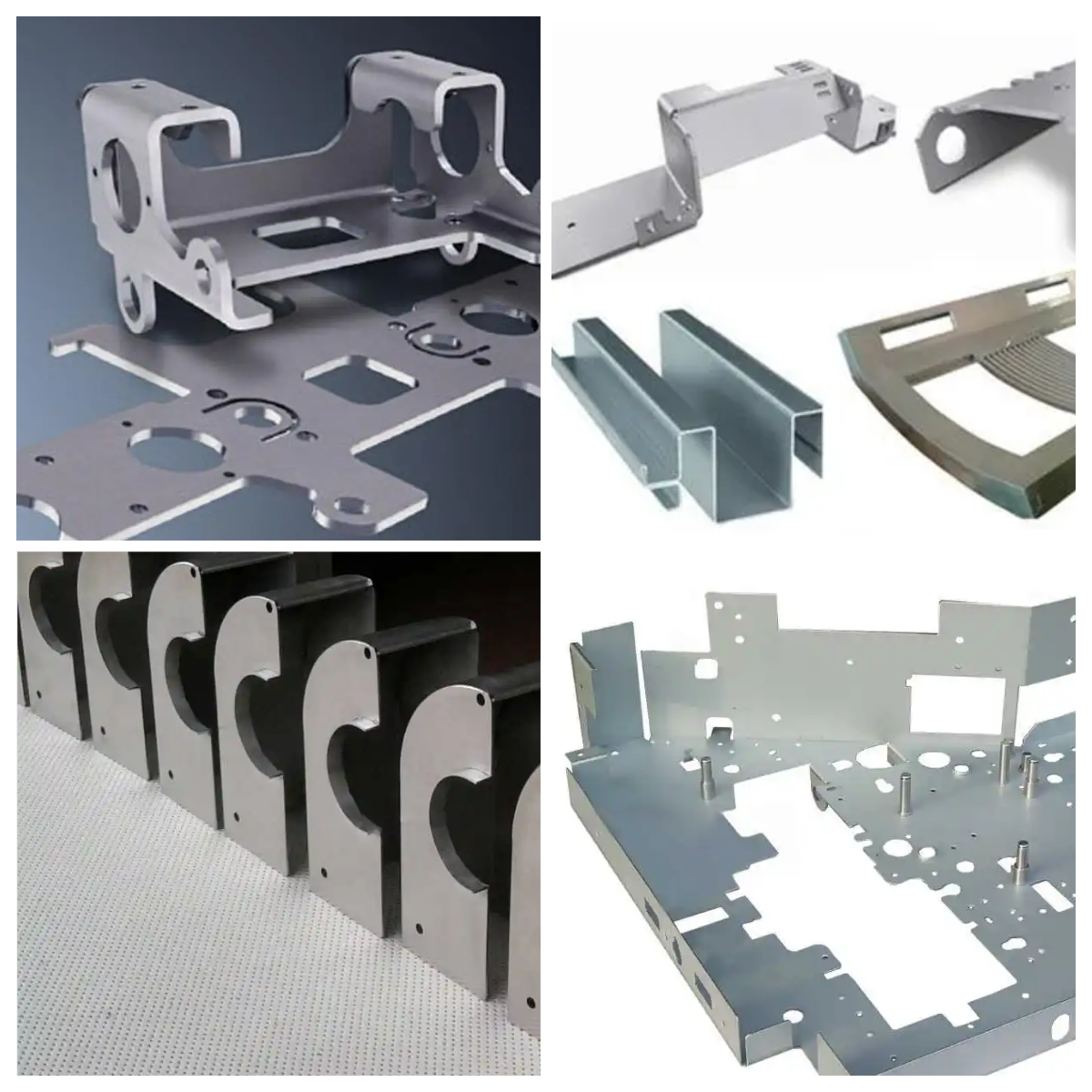
Sheet Metal Design
Sheet metal design is the process of processing sheet metal into various complex shapes through processes such as shearing, bending, and stamping. During the design process, material selection, structural strength, and production processes need to be considered to ensure product durability and manufacturing efficiency. In addition, accurate drawings and 3D models are the key to success and can effectively reduce production errors and costs.
Laser Cutting
Laser cutting of sheet metal involves using a focused laser beam to melt metal in a local area. Laser cutting machines are compatible with a variety of metals, from non-ferrous metals to mild steel and stainless steel. The technology consists of two sub-processes that run simultaneously. The first involves focusing a high-power laser beam on a sheet of metal. The material absorbs the thermal energy of the laser beam, causing it to evaporate. At the same time, the second process involves the cutting nozzle, which provides a gas blow for laser cutting. This gas is usually oxygen or nitrogen. It helps to protect the processing head from spatter and steam during sheet metal manufacturing projects.
Plasma Cutting
Plasma cutting is a thermal cutting process for metal using an ionized gas called plasma. The method uses a large amount of heat to cut the metal, resulting in large burrs and oxidation zones near the cutting area. Additionally, it allows for faster cutting, high precision, and repeatability in sheet metal fabrication. Plasma cutting tools work effectively only on conductive sheet metal. Therefore, it is one of the most suitable methods for cutting conductive materials with medium aluminum thickness. Waterjet Cutting This cutting process involves the use of high-pressure water streams to cut metal sheets. Waterjet cutting is versatile and can cut a variety of hard and soft materials using pressurized water and abrasives. It is ideal for cutting soft materials, metal foils, fabrics, or rubber. It is also suitable for cutting hard materials such as copper, carbon steel, aluminum, carbon steel, etc. The pressure involved is usually around 60,000 psi, providing a speed of 610m/s to cut different types of metal sheets. However, waterjet cutting is a better alternative to laser cutting technology.
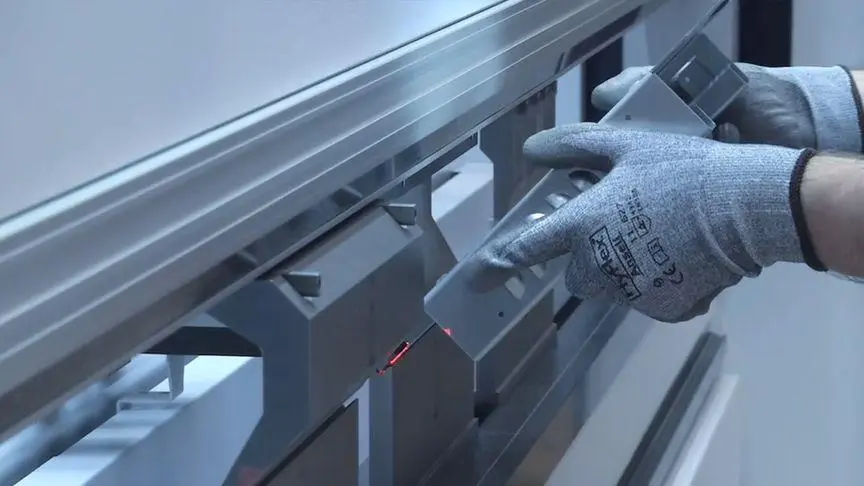
Sheet Metal Bending
Sheet metal bending is highly cost-effective in the production of small batch prototype products. It involves deforming the metal surface with force and bending it to the desired angle to form the desired shape. You can use a bending machine and a rolling machine to perform this operation. Rolling is a general process that uses working rollers to continuously bend the sheet metal at three points to bend the sheet metal into shape. It can be rolled into workpieces of different shapes such as cylindrical parts and conical parts. The plate rolling machine is based on the principle of three points forming a circle. It uses the relative position change and rotational motion of the workpiece to make the sheet metal produce continuous plastic deformation to obtain a workpiece of a predetermined shape.
Sheet metal welding
MIG welding Metal inert gas shielded welding (MIG) uses continuous solid welding wire and shielding gas to prevent atmospheric pollution Suitable for aluminum, steel and stainless steel Widely used in automobiles and home decoration, cost-effective.
TIG welding Tungsten inert gas welding (TIG) uses non-consumable tungsten electrode and inert gas (argon or helium) Suitable for non-ferrous metals such as aluminum, titanium, copper, nickel Commonly used in aviation and aerospace industries, suitable for delicate work.
Stick welding Shielded metal arc welding uses flux-covered welding rods as electrodes, no shielding gas is required Suitable for hard metals such as steel The equipment is portable and is often used in construction, shipbuilding and steel manufacturing.
Plasma arc welding Similar to TIG welding, it uses tungsten electrodes and a small arc to form hot plasma, works at high speeds, and has precise welds Widely used in aviation and marine industries
Electron beam and laser welding Use lasers and electron beams as heat sources High precision, suitable for complex operations Suitable for carbon steel, titanium, stainless steel and aluminum Output beautiful appearance, reduce post-processing.
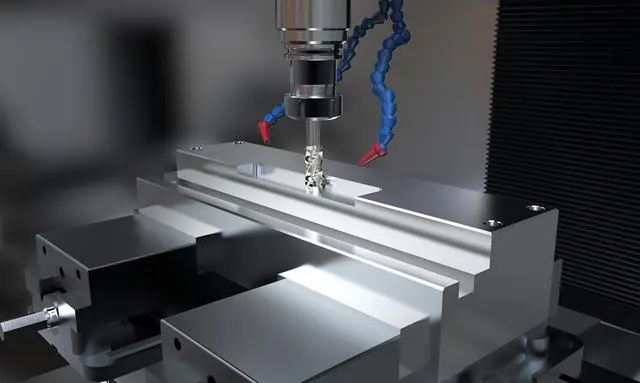
If you need a sheet metal fabrication project or want to know more about what services we can provide for you, please feel free to contact us and we will give you the fastest response and reply.
Commonly used materials and applications for sheet metal processing
Surface treatment of prototypes: the difference between spray painting and powder spraying
Related Article

This article analyzes the prospects of the custom parts industry from three aspects: market demand, technological innovation, and challenges and opportunities, with specific cases to illustrate its development trends.
Analysis of the Prospects of the Custom Parts Industry
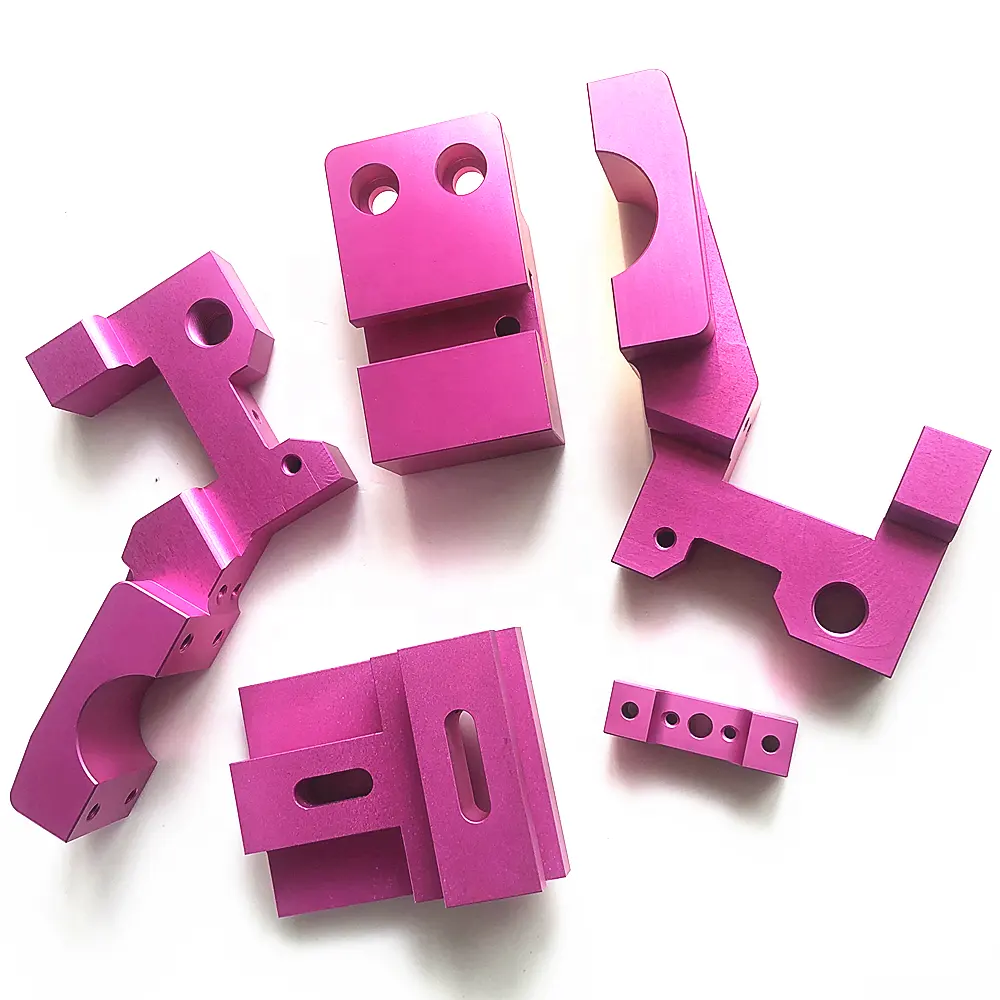
This article details CNC precision technology, covering its definition, applications in aerospace and electronics, advantages like high precision and automation, and its promising future in the manufacturing industry.
CNC Precision Technology: The Core Code of Modern Manufacturing and Its Infinite Potential
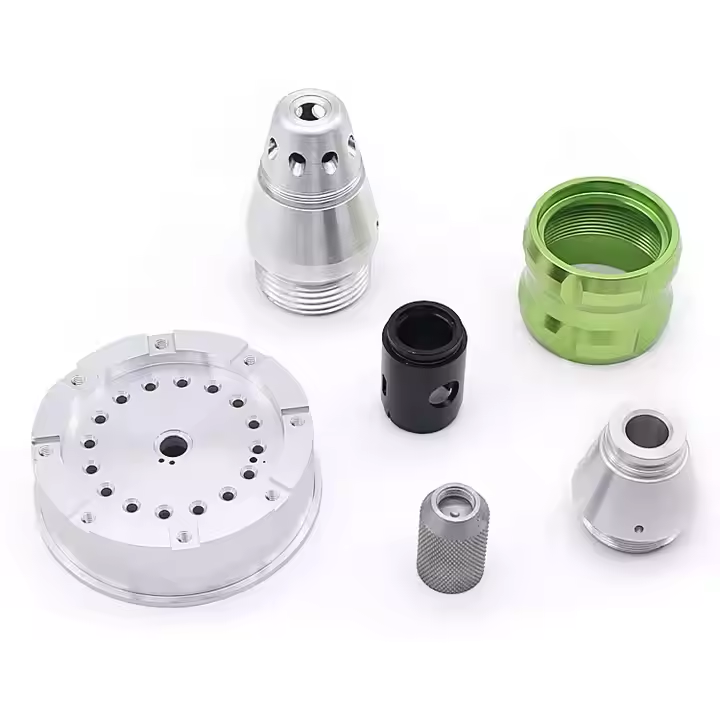
This part focuses on the shipbuilding industry, presenting a case of CNC technology application in the processing of large - scale ship propellers. It showcases how CNC technology addresses challenges in this field, improving processing efficiency and product quality, thus highlighting its significance in ship manufacturing.
CNC Technology Application Cases (Part 2)
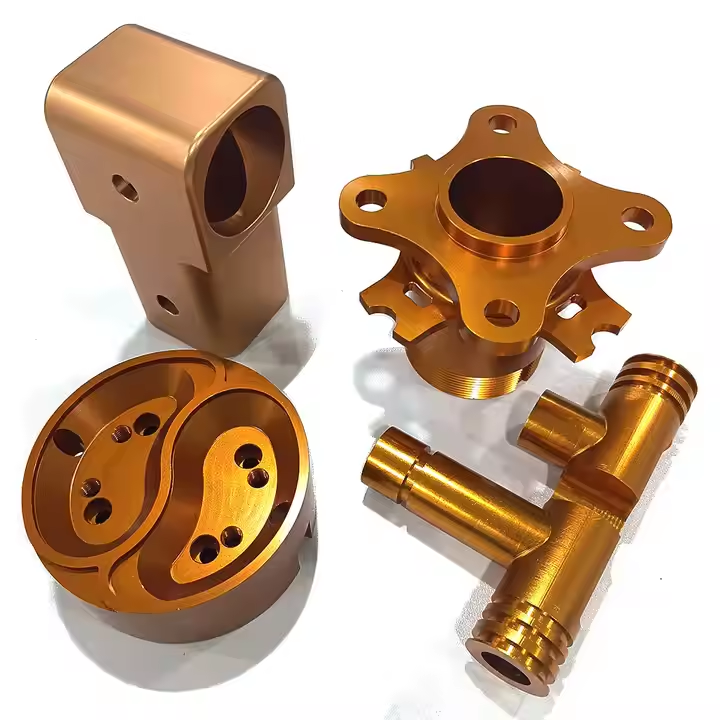
This article focuses on the medical device manufacturing and 3C product manufacturing fields. Through specific cases, it elaborates on the remarkable achievements of CNC technology in manufacturing complex and precise components and improving product quality, demonstrating its crucial role in related industries.
CNC Technology Application Cases (Part 1)