
The principle and application scope of sandblasting cleaning
author: DJ-02
2025-01-08

Sandblasting is a common surface treatment process that uses abrasive particles ejected at high speed to clean and treat the surface of an object. The following is a detailed explanation of the principle, process and scope of application of sandblasting.
Principle
The basic principle of sandblasting is to remove unwanted substances such as surface dirt, oxides, rust, coatings, etc. by ejecting abrasive particles (such as sand, glass beads, metal particles, etc.) at high speed onto the surface to be treated, and using the kinetic energy of the particles to impact and rub the surface.
Sandblasting is widely used in many industries, mainly including:
Metalworking:
Removing rust, oil and oxide layers to prepare metal surfaces for painting or welding.
Automotive industry:
Cleaning automotive parts, removing old coatings and contaminants, and improving coating quality.
Aerospace:
Cleaning aircraft parts and structures to ensure surface defects and increase durability.
Building and Infrastructure:
Cleaning concrete surfaces to remove dirt and old coatings and improve the adhesion of subsequent coatings.
Electronics industry:
Cleaning electronic components and circuit boards to remove residues generated during welding.
Mold cleaning:
Cleaning injection molds, die-casting molds, etc. to remove adherent plastic or metal residues.
Decorative treatment:
Sandblasting is performed on the surface of stone, wood, etc. to achieve special decorative effects.
Summary
Sandblasting is an effective surface treatment process that is suitable for a variety of materials and industries. Through reasonable application, the surface quality of the product can be significantly improved, providing a good foundation for subsequent processing.
A Detailed Introduction to ABS Materials
Common surface treatments for plastic materials in the CNC machining industry
Related Article

This article analyzes the prospects of the custom parts industry from three aspects: market demand, technological innovation, and challenges and opportunities, with specific cases to illustrate its development trends.
Analysis of the Prospects of the Custom Parts Industry
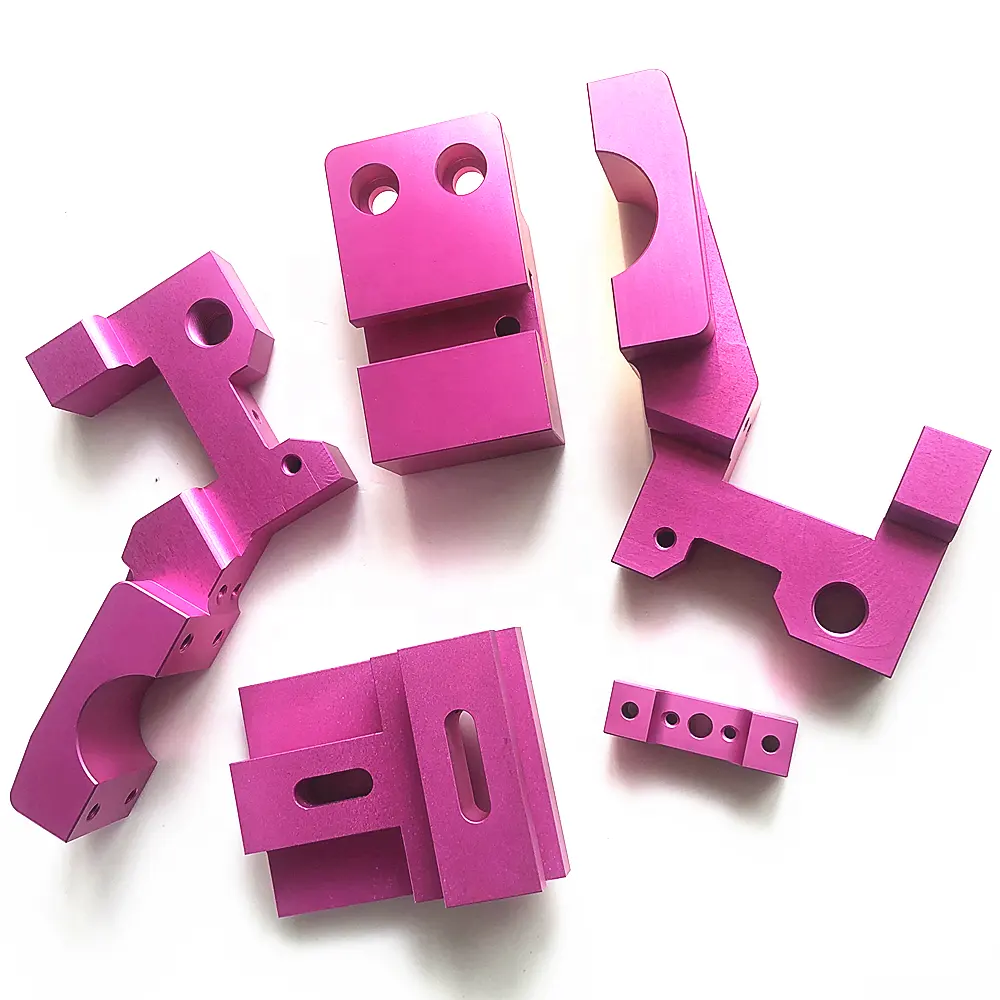
This article details CNC precision technology, covering its definition, applications in aerospace and electronics, advantages like high precision and automation, and its promising future in the manufacturing industry.
CNC Precision Technology: The Core Code of Modern Manufacturing and Its Infinite Potential
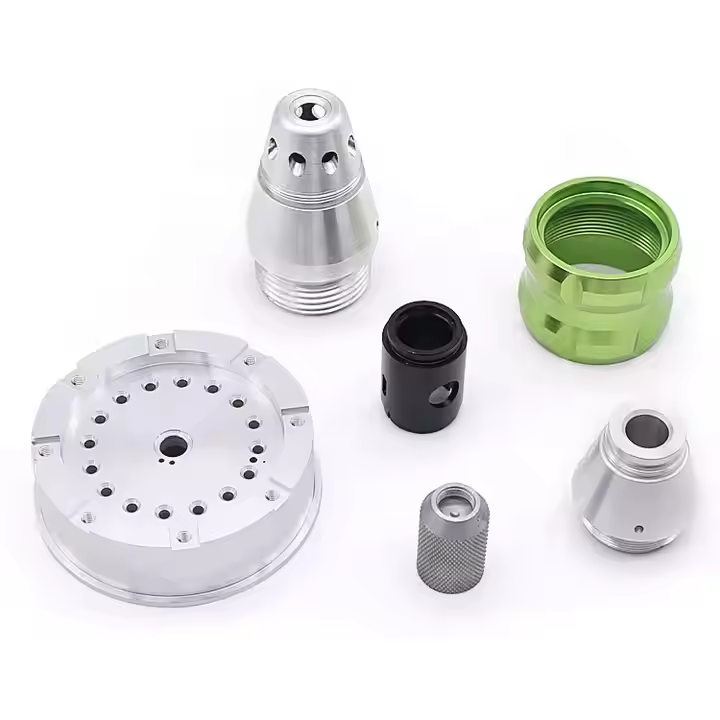
This part focuses on the shipbuilding industry, presenting a case of CNC technology application in the processing of large - scale ship propellers. It showcases how CNC technology addresses challenges in this field, improving processing efficiency and product quality, thus highlighting its significance in ship manufacturing.
CNC Technology Application Cases (Part 2)

This article focuses on the medical device manufacturing and 3C product manufacturing fields. Through specific cases, it elaborates on the remarkable achievements of CNC technology in manufacturing complex and precise components and improving product quality, demonstrating its crucial role in related industries.
CNC Technology Application Cases (Part 1)