
Specific technologies for laser cutting and robot integration
author: DJ-02
2024-11-04

1. Combination of robot structure and laser cutting head
Technology: The robot arm is usually designed with six or seven axes to provide high flexibility and accessibility. The laser cutting head is fixed to the robot arm through a specific interface and can move in multi-dimensional space.
Application: This integration allows the robot to cut complex-shaped workpieces at different angles, achieving multi-angle and all-round cutting.
2. Integration of laser source and robot control system
Technology: The laser source of the laser cutting machine (such as fiber laser) is integrated with the robot control system to ensure that the power, frequency and cutting speed of the laser can be adjusted in real time. Through programming, the robot can automatically optimize the parameters according to the characteristics of the material and the cutting requirements.
Application: During the cutting process, the robot can adjust the laser parameters according to real-time feedback (such as material thickness and surface condition) to achieve high-quality cutting results.
3. Path planning and motion control
Technology: Using advanced path planning algorithms, the robot can calculate the optimal cutting path to minimize cutting time and material waste. The motion control system can also achieve high-precision position control to ensure the accuracy of cutting.
Application: In cutting complex shapes, the robot can intelligently adjust the cutting path to avoid collisions and errors.
4. Integration of visual systems
Technology: By integrating visual systems (such as cameras or laser detectors), the robot can identify the position and shape of the workpiece in real time and make dynamic adjustments.
Application: During the cutting process, the visual system can monitor the cutting quality, provide timely feedback and make corrections to ensure the consistency and accuracy of the product.
5. Workpiece clamping and positioning system
Technology: The robot can integrate a clamp or suction cup system to automatically grasp and position the workpiece. Through the visual system or sensor, the robot can automatically adjust the clamping position.
Application: This integration enables the robot to automatically handle the workpiece before and after cutting, improving production efficiency.
6. Data collection and analysis
Technology: The integrated system of robots and laser cutting machines can collect production data, including information such as cutting speed, power consumption and cutting quality. Through data analysis software, enterprises can optimize production and predict failures.
Application: This data-driven approach can help enterprises achieve more efficient resource management and production planning.
7. Construction of automated production lines
Technology: The laser cutting robot can be seamlessly connected with other automated equipment (such as feeders, bending machines, welding machines, etc.) to form a complete production line, which can be managed through a central control system.
Application: The entire automated production line can realize full process automation from raw materials to finished products, greatly improving production efficiency.
The application of these integrated technologies enables laser cutting and robots to work together, promoting the flexibility, efficiency and precision of the manufacturing process, and meeting the needs of modern manufacturing for efficient and intelligent production.
Applications and Advantages of CNC Technology in the Aerospace Field
Importance of CNC Processing in Aerospace Industry
Related Article

This article analyzes the prospects of the custom parts industry from three aspects: market demand, technological innovation, and challenges and opportunities, with specific cases to illustrate its development trends.
Analysis of the Prospects of the Custom Parts Industry
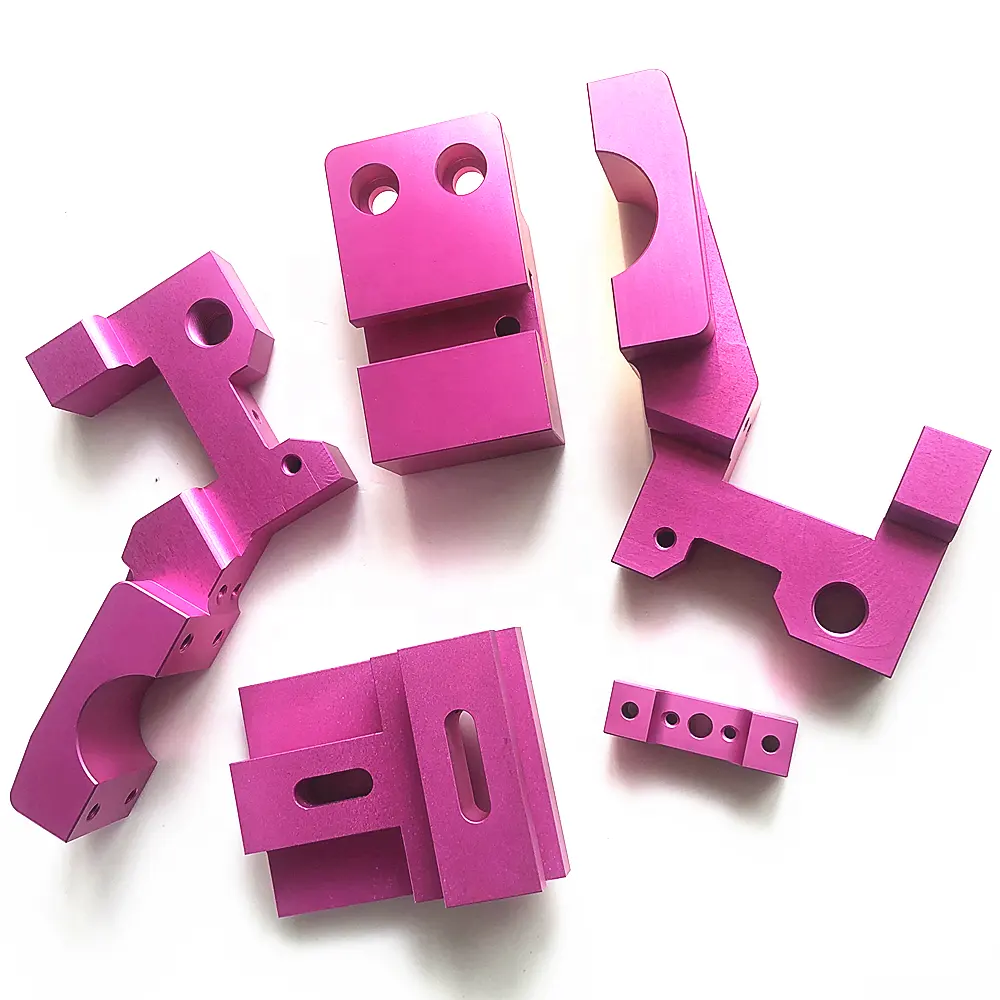
This article details CNC precision technology, covering its definition, applications in aerospace and electronics, advantages like high precision and automation, and its promising future in the manufacturing industry.
CNC Precision Technology: The Core Code of Modern Manufacturing and Its Infinite Potential
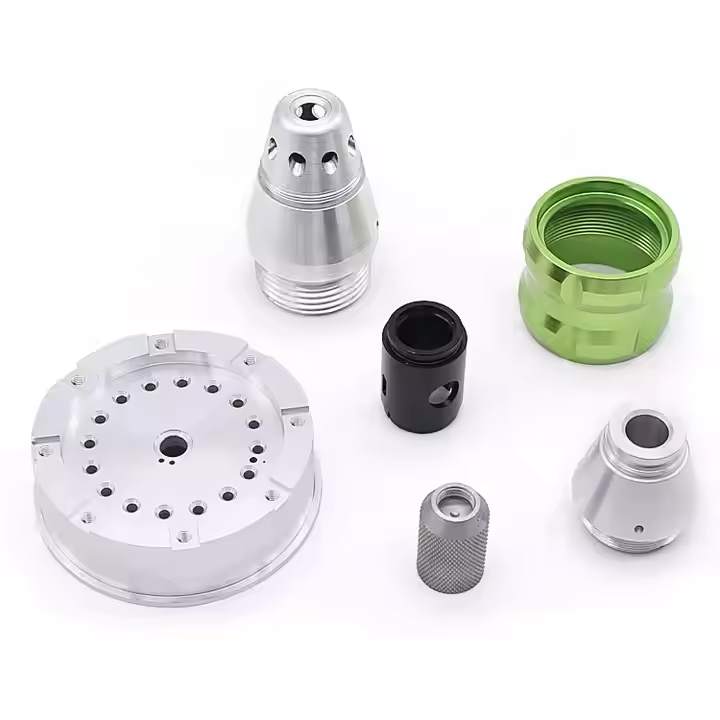
This part focuses on the shipbuilding industry, presenting a case of CNC technology application in the processing of large - scale ship propellers. It showcases how CNC technology addresses challenges in this field, improving processing efficiency and product quality, thus highlighting its significance in ship manufacturing.
CNC Technology Application Cases (Part 2)
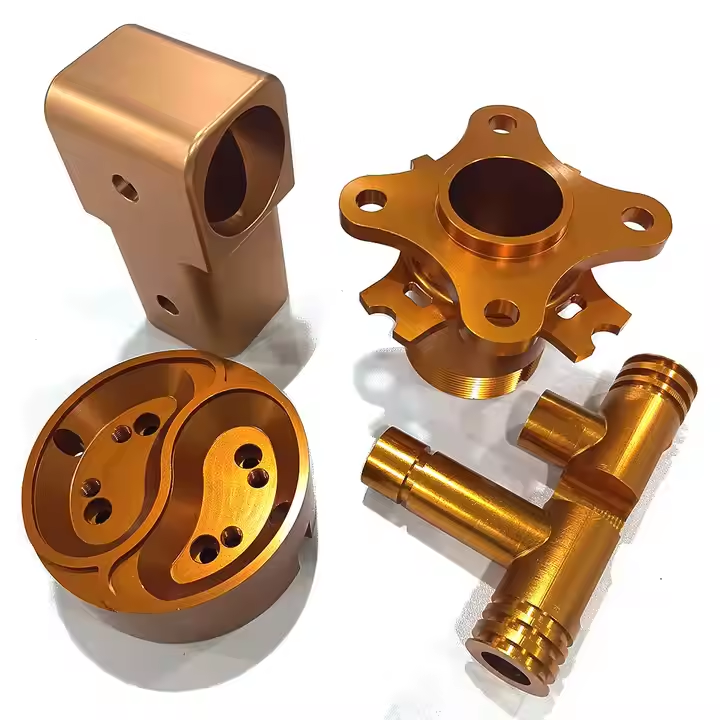
This article focuses on the medical device manufacturing and 3C product manufacturing fields. Through specific cases, it elaborates on the remarkable achievements of CNC technology in manufacturing complex and precise components and improving product quality, demonstrating its crucial role in related industries.
CNC Technology Application Cases (Part 1)