
Compare the advantages and disadvantages of ABS and nylon in making gear-like functional prototypes
author: DJ-02
2025-01-15

When making gear-like functional prototypes, ABS and nylon each have their own advantages and disadvantages. Here is a comparison between the two:
ABS (Acrylonitrile Butadiene Styrene)
Advantages:
Processability: ABS is easy to 3D print and CNC process, suitable for rapid prototyping.
Cost-effectiveness: The material cost is low and suitable for mass production.
Impact resistance: For light-load applications, ABS has good impact resistance and can effectively resist minor collisions.
Disadvantages:
Strength and wear resistance: ABS has relatively low strength and wear resistance, and long-term use may cause wear.
Limited heat resistance: The heat deformation temperature is about 90°C, which may not be suitable for high-temperature environments.
Dimensional stability: In environments with large changes in temperature and humidity, dimensional stability may be affected.
Nylon (Polyamide)
Advantages:
High strength and toughness: Nylon has high strength and toughness, suitable for withstanding large loads and impacts.
Wear resistance: Nylon has better wear resistance than ABS and is suitable for friction parts such as gears.
Chemical stability: Nylon has good resistance to a variety of chemicals and is suitable for a variety of environments.
Disadvantages:
Hygroscopicity: Nylon is easy to absorb moisture, which may affect its size and performance, and needs to be stored in a dry environment.
Difficulty in processing: When 3D printing, nylon may require higher printing temperatures and special settings, which is relatively difficult to process.
Higher cost: Nylon material and processing costs are generally higher than ABS, especially in small batches.
Summary
Choose ABS: If the gear prototype is mainly used for prototype testing with light loads and low-cost requirements, and does not need to withstand high loads or high temperatures for a long time, ABS is a suitable choice.
Choose nylon: If the gear needs to withstand large loads, frequent friction or is used in a more demanding environment, nylon is undoubtedly a better choice because its superior strength, toughness and wear resistance can meet these needs.
The final choice should be based on factors such as specific application scenarios, performance requirements and budget.
Metal Parts: The Core Elements of Industrial Operation
Advantages and disadvantages of functional prototypes of different materials
Related Article

This article analyzes the prospects of the custom parts industry from three aspects: market demand, technological innovation, and challenges and opportunities, with specific cases to illustrate its development trends.
Analysis of the Prospects of the Custom Parts Industry
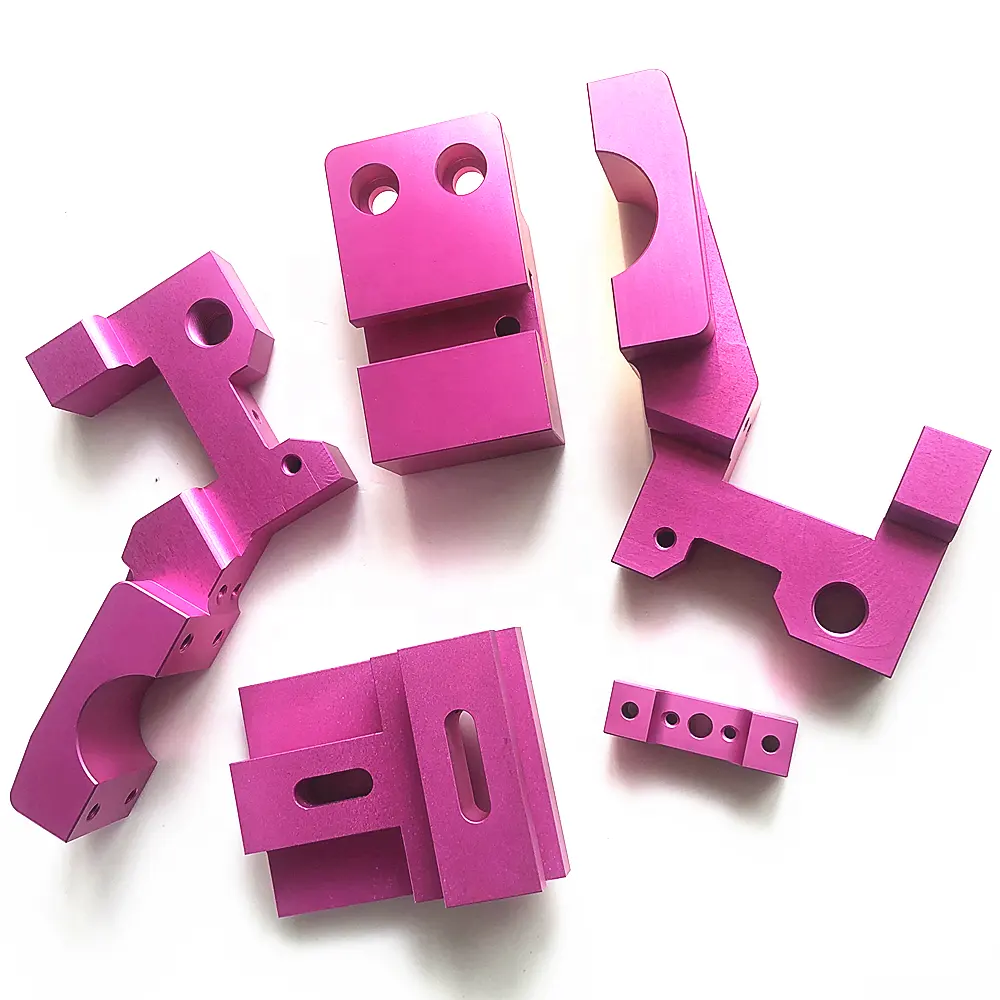
This article details CNC precision technology, covering its definition, applications in aerospace and electronics, advantages like high precision and automation, and its promising future in the manufacturing industry.
CNC Precision Technology: The Core Code of Modern Manufacturing and Its Infinite Potential
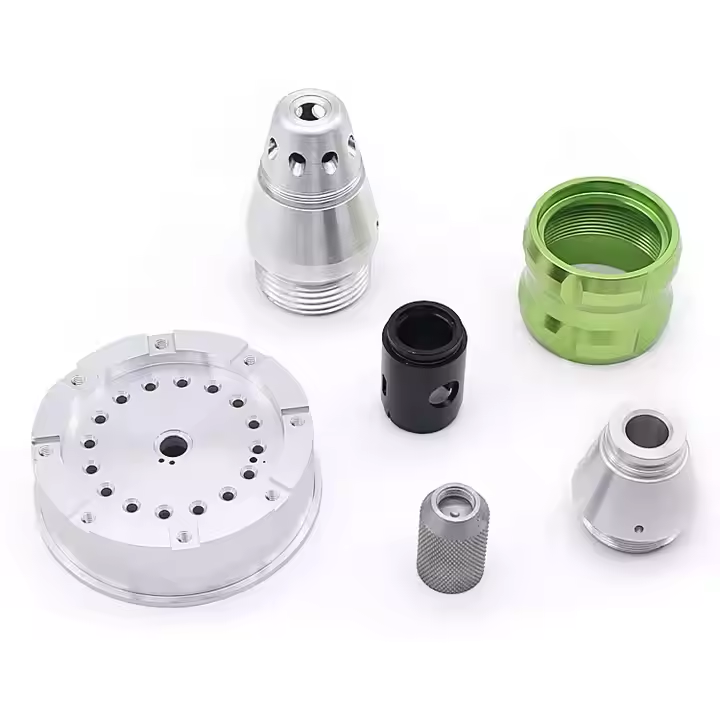
This part focuses on the shipbuilding industry, presenting a case of CNC technology application in the processing of large - scale ship propellers. It showcases how CNC technology addresses challenges in this field, improving processing efficiency and product quality, thus highlighting its significance in ship manufacturing.
CNC Technology Application Cases (Part 2)
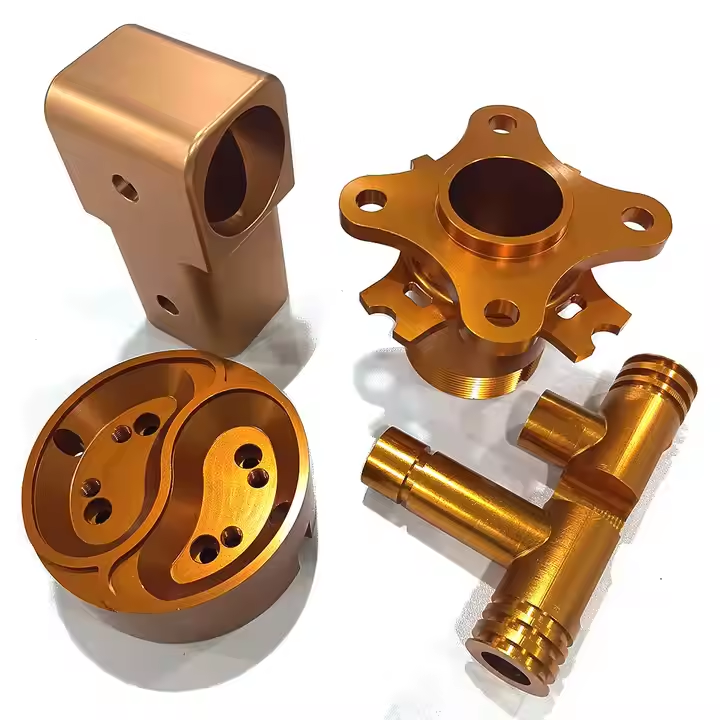
This article focuses on the medical device manufacturing and 3C product manufacturing fields. Through specific cases, it elaborates on the remarkable achievements of CNC technology in manufacturing complex and precise components and improving product quality, demonstrating its crucial role in related industries.
CNC Technology Application Cases (Part 1)