
What types of appearance prototypes are suitable for ABS and PMMA materials?
author: DJ-02
2025-01-15

ABS (Acrylonitrile-Butadiene-Styrene) and PMMA (Polymethyl Methacrylate) are two materials commonly used to make appearance prototypes. They each have different characteristics, so they are suitable for different types of appearance prototypes. The following are their applicable types and characteristics:
ABS material
Features:
Impact resistance: ABS has excellent impact resistance and is suitable for making frequently used or easily damaged parts.
Processability: Easy to process, can be made by CNC processing, 3D printing and other methods.
Cost-effectiveness: Relatively low material cost, making it suitable for mass production.
Suitable types:
Consumer electronics appearance: such as mobile phone cases, computer cases, etc., because of their durability and good appearance.
Automotive parts: Used for automotive interior decoration or appearance parts because of its good strength and heat resistance.
Home appliances: such as electrical housings, control panels, etc., because of their plasticity and cost-effectiveness.
PMMA material
Features:
Transparency: PMMA has excellent transparency and is suitable for making parts that require light to pass through.
Gloss: The surface is smooth and can provide high gloss, which is suitable for the appearance of high-end products.
Weather resistance: It has strong resistance to UV rays and climate change.
Suitable types:
Optical product appearance: such as lamp housings, display screen protectors, etc., because of their high transparency.
High-end consumer products: such as luxury packaging, display racks and decorative parts, because of their elegant appearance and gloss.
Medical devices: Used for the appearance of medical products that require high clarity and finish.
Summary
ABS is suitable for making durable and cost-effective appearance prototypes, mainly used in industries such as consumer electronics, automobiles and home appliances.
PMMA is suitable for appearance prototypes that require high transparency and gloss, and is often used in optical products and high-end consumer products.
According to specific design needs and functional requirements, choosing the right material will help achieve the best appearance and performance.
Structural Prototype
What are the advantages of five-axis CNC machining in making complex internal cavity structures?
Related Article

This article analyzes the prospects of the custom parts industry from three aspects: market demand, technological innovation, and challenges and opportunities, with specific cases to illustrate its development trends.
Analysis of the Prospects of the Custom Parts Industry
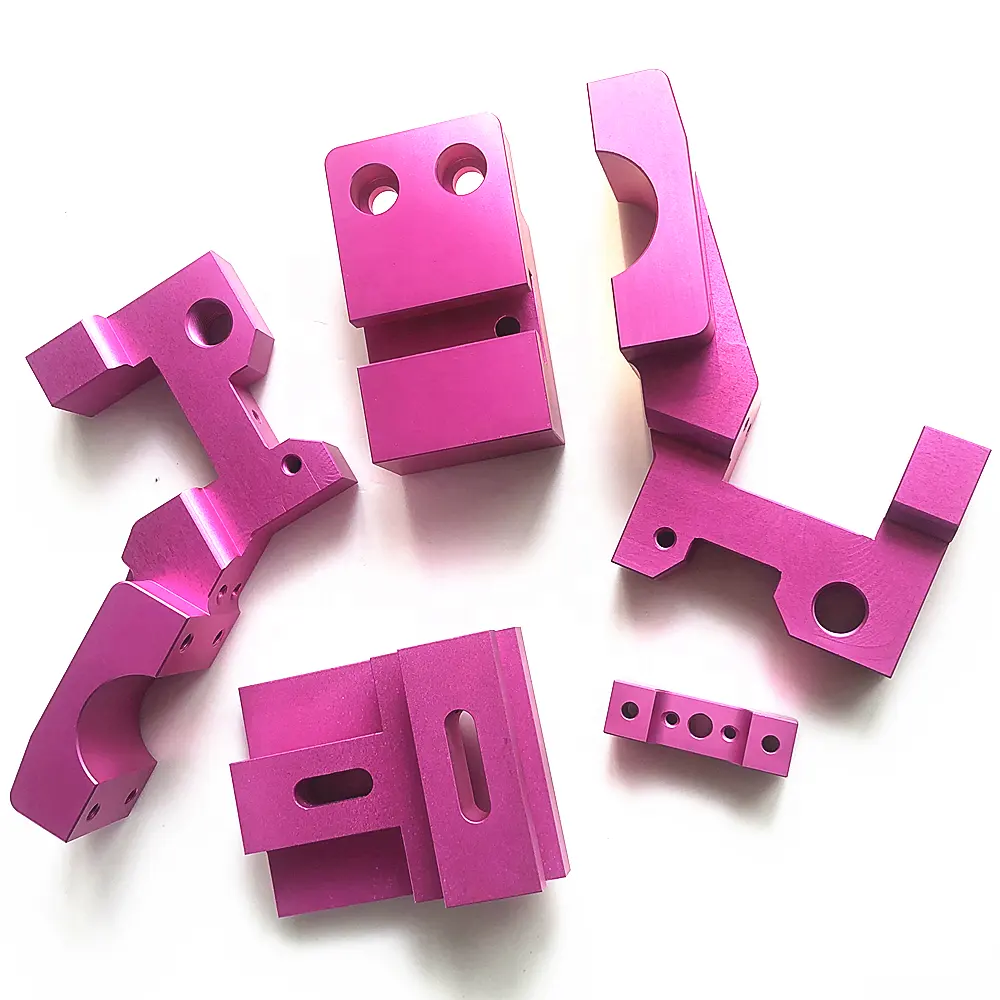
This article details CNC precision technology, covering its definition, applications in aerospace and electronics, advantages like high precision and automation, and its promising future in the manufacturing industry.
CNC Precision Technology: The Core Code of Modern Manufacturing and Its Infinite Potential
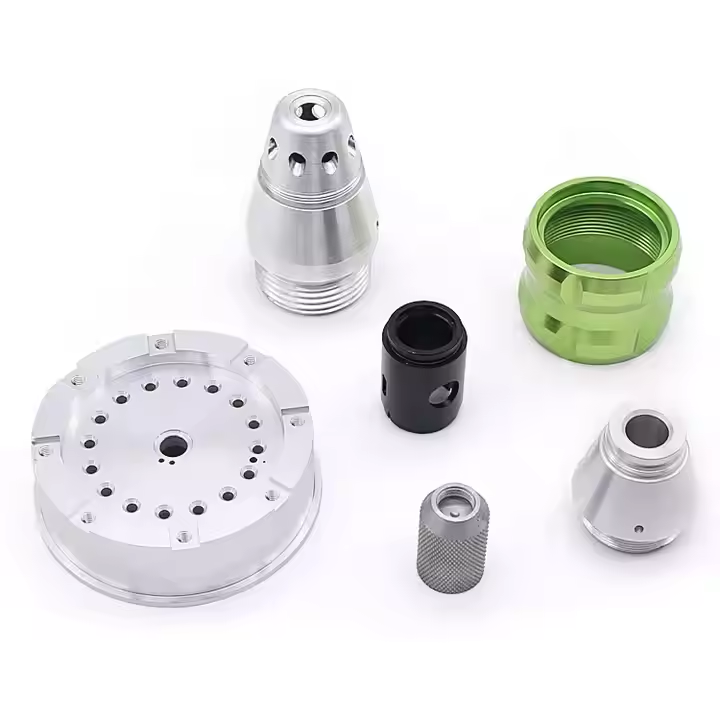
This part focuses on the shipbuilding industry, presenting a case of CNC technology application in the processing of large - scale ship propellers. It showcases how CNC technology addresses challenges in this field, improving processing efficiency and product quality, thus highlighting its significance in ship manufacturing.
CNC Technology Application Cases (Part 2)
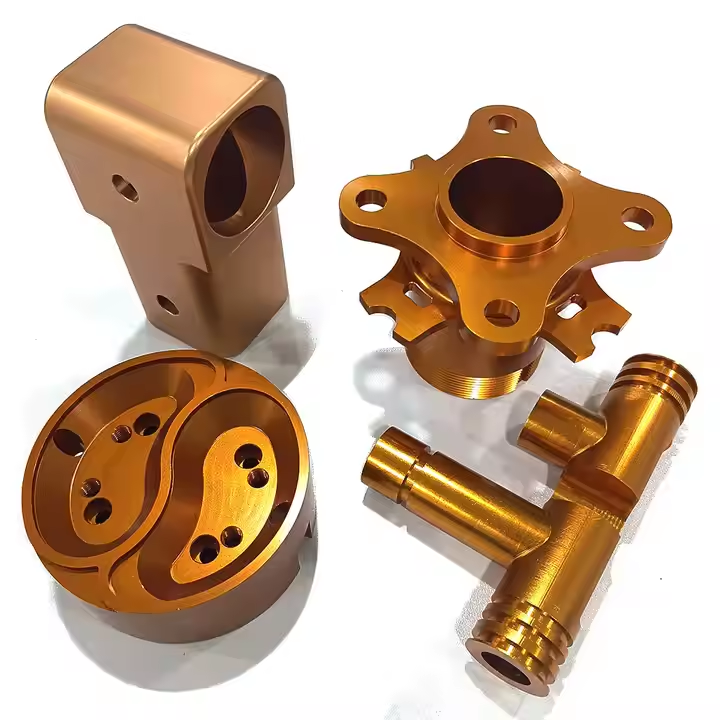
This article focuses on the medical device manufacturing and 3C product manufacturing fields. Through specific cases, it elaborates on the remarkable achievements of CNC technology in manufacturing complex and precise components and improving product quality, demonstrating its crucial role in related industries.
CNC Technology Application Cases (Part 1)