
Advantages and disadvantages of functional prototypes of different materials
author: DJ-02
2025-01-15

Functional prototypes of different materials have their own advantages and disadvantages and are suitable for different application scenarios. The following are functional prototypes of several commonly used materials and their advantages and disadvantages:
1. ABS (Acrylonitrile-Butadiene-Styrene)
Advantages:
Impact resistance: ABS has good impact resistance and is suitable for making prototypes that need to withstand a certain strength.
Processability: Easy to process through 3D printing and CNC, convenient for rapid prototyping.
Cost-effectiveness: Relatively low material cost, suitable for mass production.
Disadvantages:
Limited heat resistance: The heat deformation temperature is about 90°C, which is not suitable for high temperature environment.
Low strength: Compared with metal materials, the strength and rigidity are lower.
2. PLA (Polylactic Acid)
Advantages:
Environmentally friendly material: PLA is a biodegradable material and is friendly to the environment.
Easy to print: Easy to operate during 3D printing, suitable for beginners.
Smooth surface: The surface is smooth after printing, suitable for displaying appearance.
Disadvantages:
Low strength and heat resistance: Both strength and heat resistance are low, and the heat deformation temperature is about 60°C.
Brittle: PLA is more brittle than ABS and is not suitable for applications that require durability.
3. Aluminum Alloy
Advantages:
High Strength: Aluminum alloy has excellent strength and is suitable for bearing high loads.
Heat Resistance: Ability to maintain performance at higher temperatures and is suitable for high temperature environments.
Fine Machining: High precision and complex shapes can be achieved through CNC machining.
Disadvantages:
High Cost: Material and machining costs are relatively high, especially when producing in small batches.
Heavy Weight: Compared to plastics, aluminum alloy is heavier and may be inconvenient in some applications.
4. PMMA (Polymethyl Methacrylate)
Advantages:
High Transparency: Suitable for making parts that require light to pass through, such as optical products.
Gloss: The surface is smooth and has a high gloss, making the product look more attractive.
Weather Resistance: Strong resistance to UV rays and climate change.
Disadvantages:
Low Strength: PMMA has lower strength and toughness than metal materials.
Easy to Scratch: The surface is easily scratched and needs to be handled with care.
5. Nylon (polyamide)
Advantages:
Abrasion resistance: Nylon has good abrasion resistance and is suitable for making friction parts.
High strength: It has high strength and toughness and can withstand large loads.
Chemical stability: It has strong resistance to a variety of chemicals.
Disadvantages:
Hygroscopicity: Nylon is easy to absorb moisture, which may affect its performance and dimensional stability.
Processing difficulty: Special settings may be required during 3D printing, which increases the difficulty of processing.
Summary
When selecting functional prototype materials, comprehensive consideration should be given to factors such as specific application requirements, cost budget, and required performance. The advantages and disadvantages of different materials in terms of strength, heat resistance, environmental protection, and processability will directly affect the performance of the prototype and the quality of the final product.
Compare the advantages and disadvantages of ABS and nylon in making gear-like functional prototypes
Functional Prototype
Related Article

This article analyzes the prospects of the custom parts industry from three aspects: market demand, technological innovation, and challenges and opportunities, with specific cases to illustrate its development trends.
Analysis of the Prospects of the Custom Parts Industry
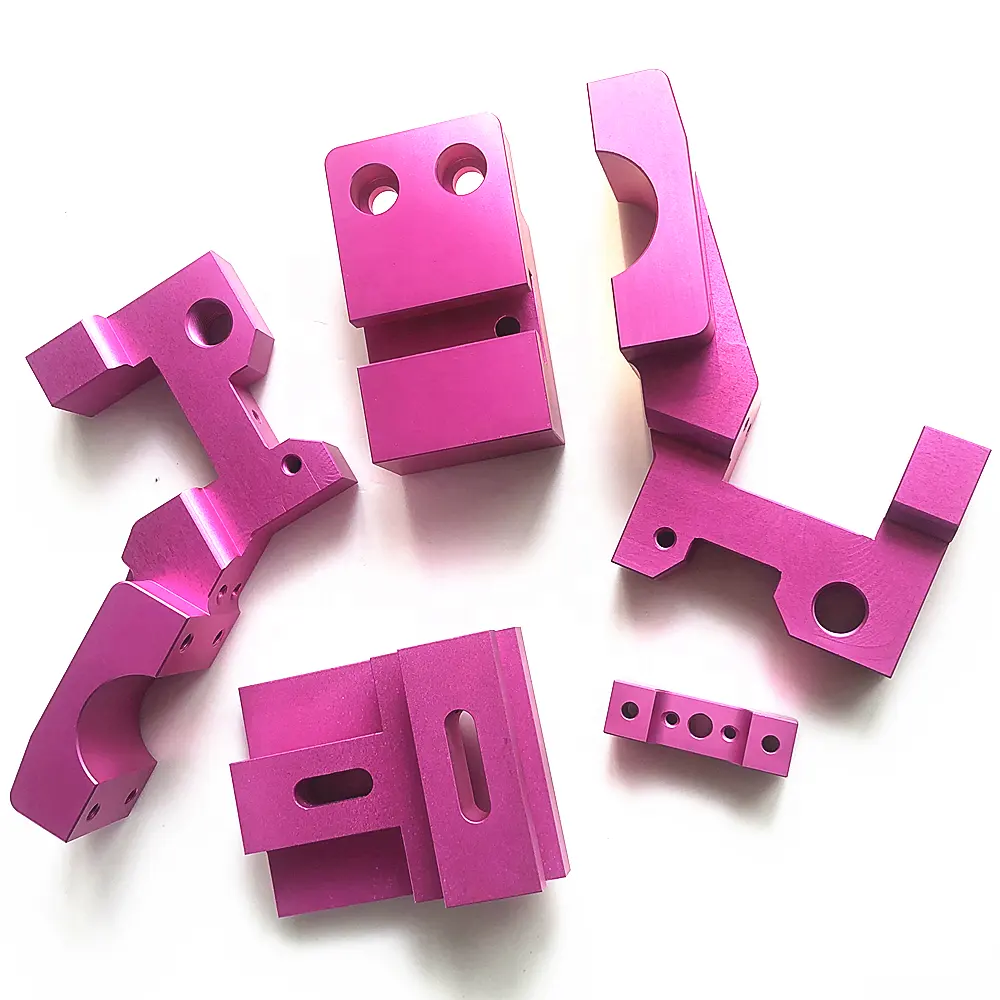
This article details CNC precision technology, covering its definition, applications in aerospace and electronics, advantages like high precision and automation, and its promising future in the manufacturing industry.
CNC Precision Technology: The Core Code of Modern Manufacturing and Its Infinite Potential
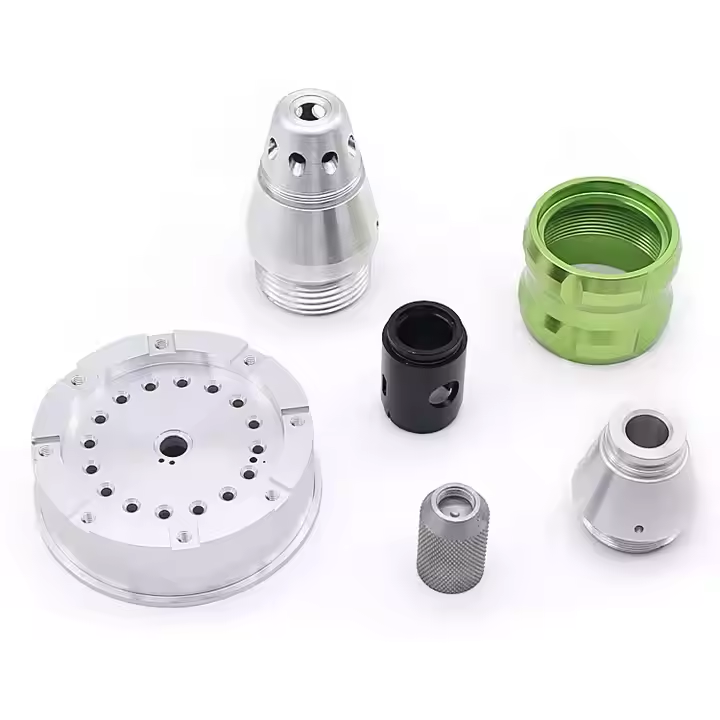
This part focuses on the shipbuilding industry, presenting a case of CNC technology application in the processing of large - scale ship propellers. It showcases how CNC technology addresses challenges in this field, improving processing efficiency and product quality, thus highlighting its significance in ship manufacturing.
CNC Technology Application Cases (Part 2)
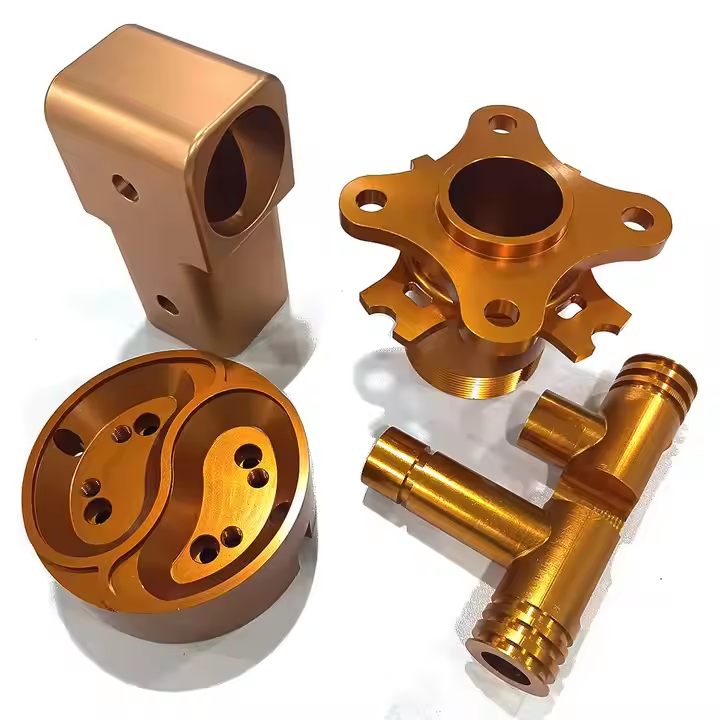
This article focuses on the medical device manufacturing and 3C product manufacturing fields. Through specific cases, it elaborates on the remarkable achievements of CNC technology in manufacturing complex and precise components and improving product quality, demonstrating its crucial role in related industries.
CNC Technology Application Cases (Part 1)