
How to control the precision of machined products
author: DJ-04
2024-11-22

How to control the precision of machined products
Controlling the precision of machined products is one of the key steps to ensure that the final product meets the design requirements. Precision control involves multiple factors, including machine tool precision, tool selection, processing technology, measurement and inspection, etc. The following are some common methods and measures for controlling the precision of machined products:
1. Machine tool precision:
Select high-precision machine tools: Use machine tools with high precision and good stability.
Regular maintenance: Regularly check and maintain machine tools to ensure their precision and stable performance.
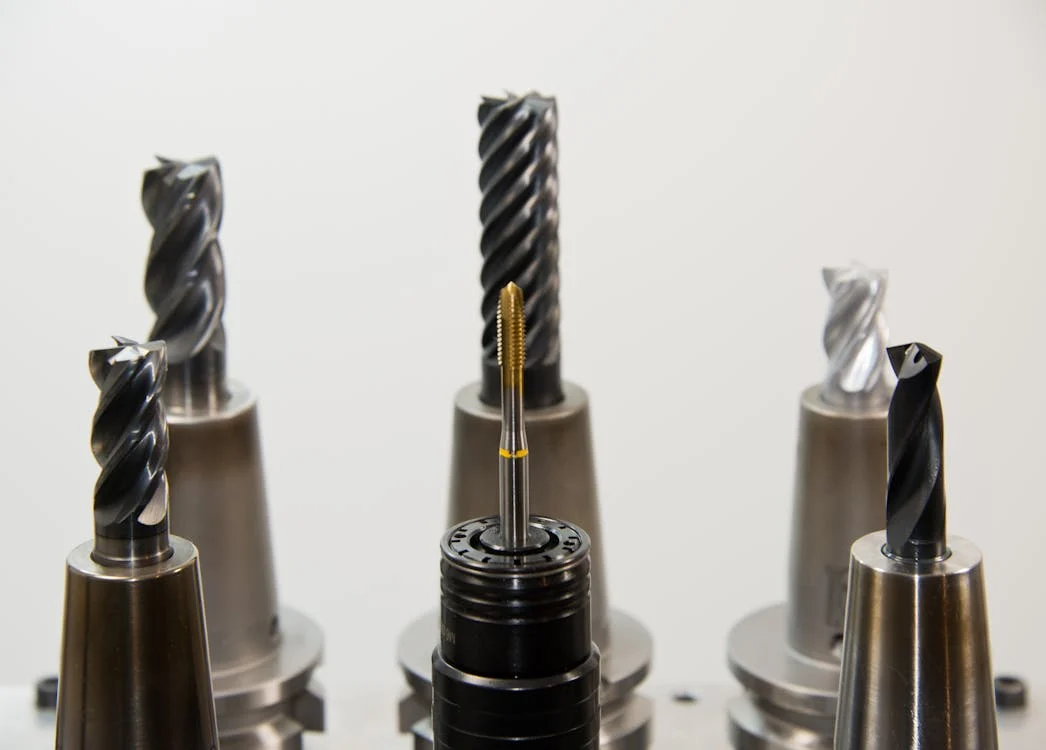
2. Tool selection and grinding:
Select suitable tools: Select the appropriate tool type and specifications according to the processing requirements.
Grind tools regularly: Keep the tools sharp and reduce the impact of tool wear on product precision.
3. Process control:
Reasonable cutting parameters: Control cutting speed, feed speed and cutting depth to avoid overload or light load processing.
Process specification: Strictly follow the process flow and processing sequence to ensure that the precision requirements of each process are met.
4. Real-time monitoring and adjustment:
Process monitoring: Real-time monitoring of the processing process through sensors, measuring instruments, etc., and timely adjustment of parameters.
Feedback correction: Adjust and correct the processing process according to the test results to ensure that the product accuracy meets the standards.
5. Quality inspection:
Finished product inspection: Finely measure and inspect the finished product to ensure that the product size, shape and surface quality meet the design requirements.
Statistical analysis: Statistical analysis of the accuracy of processed products to find problems and improve the processing technology in a timely manner.
Through the above control measures, the accuracy of machined products can be effectively improved to ensure product quality and meet design requirements. Precision control is a crucial part of the machining process and is of great significance to production in various industrial fields.
Five-axis linkage technology stands out in various industries and applications
Which materials are suitable for vacuum molding?
Related Article

This article analyzes the prospects of the custom parts industry from three aspects: market demand, technological innovation, and challenges and opportunities, with specific cases to illustrate its development trends.
Analysis of the Prospects of the Custom Parts Industry
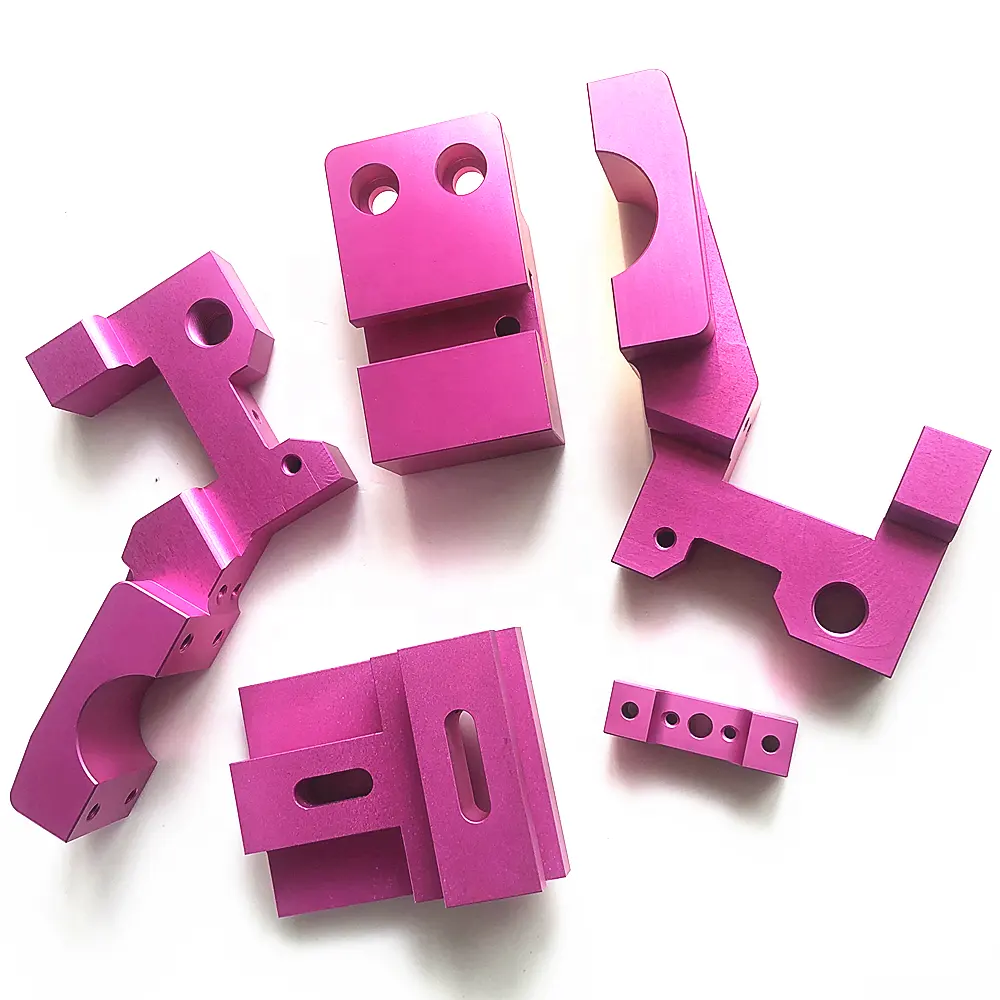
This article details CNC precision technology, covering its definition, applications in aerospace and electronics, advantages like high precision and automation, and its promising future in the manufacturing industry.
CNC Precision Technology: The Core Code of Modern Manufacturing and Its Infinite Potential
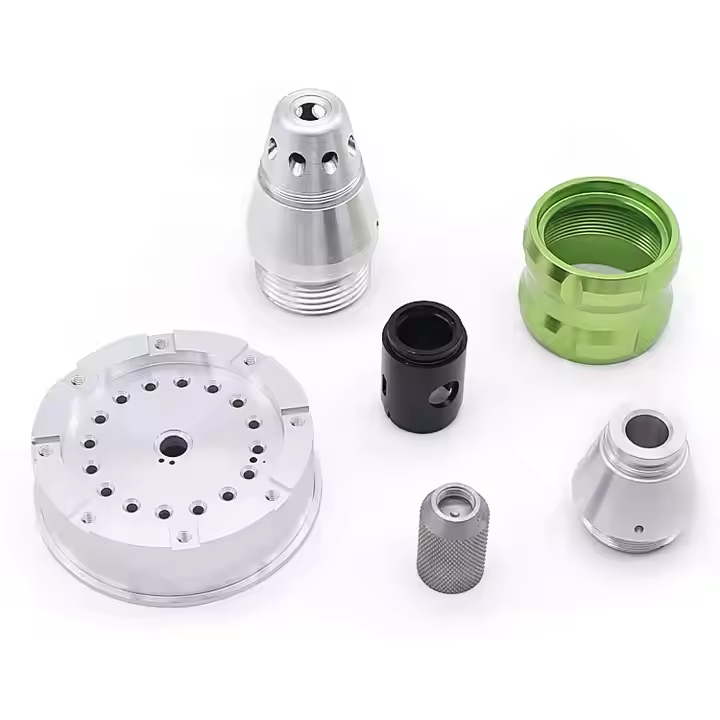
This part focuses on the shipbuilding industry, presenting a case of CNC technology application in the processing of large - scale ship propellers. It showcases how CNC technology addresses challenges in this field, improving processing efficiency and product quality, thus highlighting its significance in ship manufacturing.
CNC Technology Application Cases (Part 2)
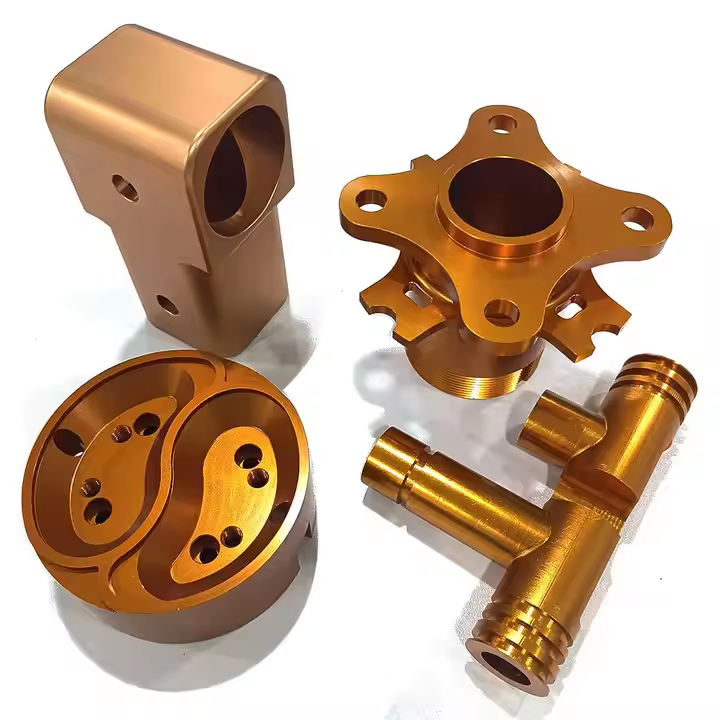
This article focuses on the medical device manufacturing and 3C product manufacturing fields. Through specific cases, it elaborates on the remarkable achievements of CNC technology in manufacturing complex and precise components and improving product quality, demonstrating its crucial role in related industries.
CNC Technology Application Cases (Part 1)