
Which post-processing technologies are developing fastest?
author: DJ-02
2024-12-31

Among the post-processing technologies, the following technologies are developing rapidly and are rapidly changing the face of the manufacturing industry:
1. Laser post-processing technology
Description: Use a laser beam to melt, cut or engrave the surface of a material with high precision and without contact.
Application: Widely used in metal surface treatment, deburring, welding post-treatment and surface strengthening.
2. Chemical plating
Description: Deposit a metal layer on the surface of a workpiece through a chemical reaction, usually without the need for a power source.
Application: Used to improve corrosion resistance and surface hardness, widely used in the electronics and automotive industries.
3. 3D printing post-processing
Description: Post-processing for 3D printed parts, including support removal, surface smoothing and coating.
Application: Improve the mechanical properties and appearance of 3D printed parts, especially in the aerospace and medical fields.
4. Nano coating technology
Description: Coatings prepared using nano materials have excellent anti-corrosion, anti-wear and self-cleaning properties.
Application: Widely used in the automotive, electronics and medical equipment fields.
5. Intelligent post-processing system
Description: Integrate the Internet of Things (IoT) and data analysis technology to monitor and optimize the post-processing process in real time.
Application: Improve production efficiency and consistency and reduce scrap rate.
6. Electrochemical polishing
Description: Smooth metal surface treatment through electrochemical reaction.
Application: Commonly used for stainless steel and aluminum alloys, suitable for aerospace and medical equipment.
7. Ultrasonic cleaning
Description: Use bubbles generated by high-frequency sound waves to clean the surface of the workpiece and remove tiny dirt and impurities.
Application: Effective in cleaning precision parts and electronic components.
8. Sandblasting and sanding technology
Description: Use high-speed spray particles to clean and treat the surface.
Application: Commonly used to remove surface rust, coatings and contaminants.
Summary
These post-processing process technologies have developed rapidly, driving progress and innovation in the manufacturing industry. As technology continues to advance and market demand changes, more new technologies are expected to emerge to further improve the efficiency and effectiveness of post-processing processes.
Key points for quality control of CNC turned parts machining
How big is the difference in accuracy between contact and non-contact roughness meters?
Related Article

This article analyzes the prospects of the custom parts industry from three aspects: market demand, technological innovation, and challenges and opportunities, with specific cases to illustrate its development trends.
Analysis of the Prospects of the Custom Parts Industry
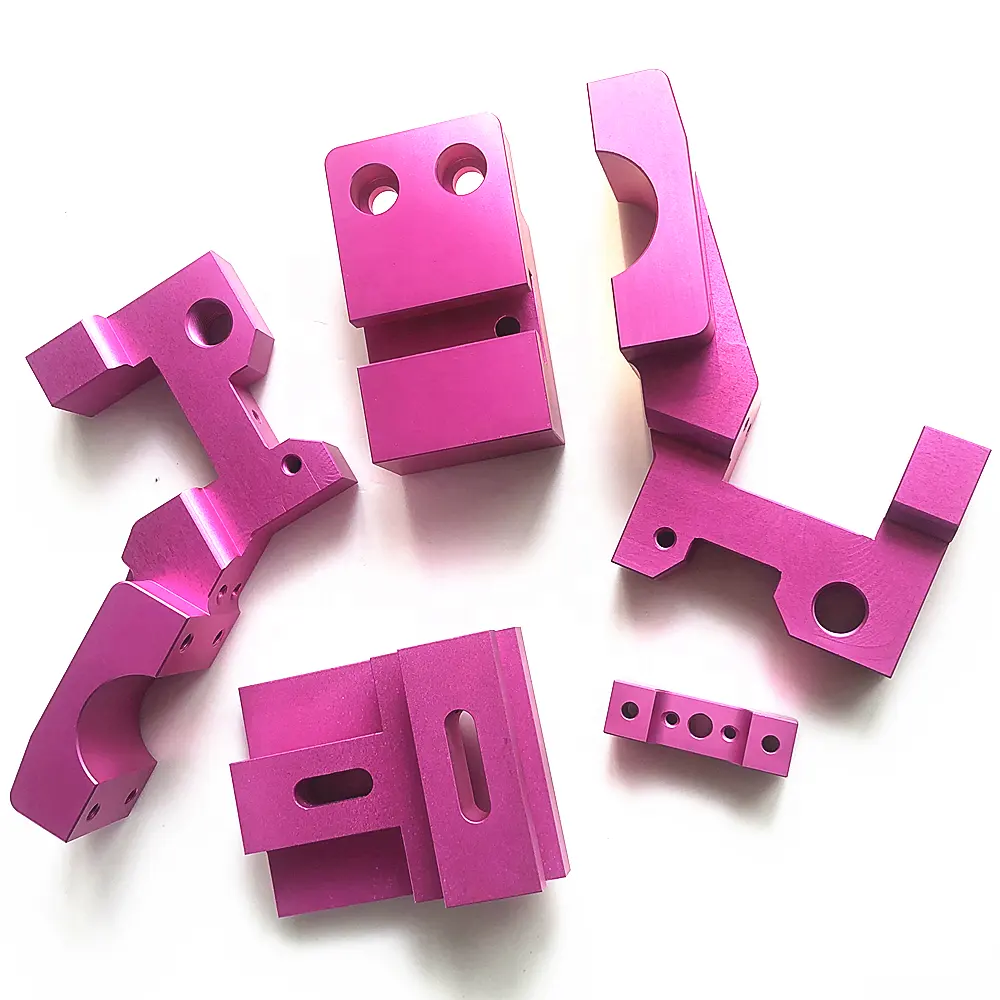
This article details CNC precision technology, covering its definition, applications in aerospace and electronics, advantages like high precision and automation, and its promising future in the manufacturing industry.
CNC Precision Technology: The Core Code of Modern Manufacturing and Its Infinite Potential
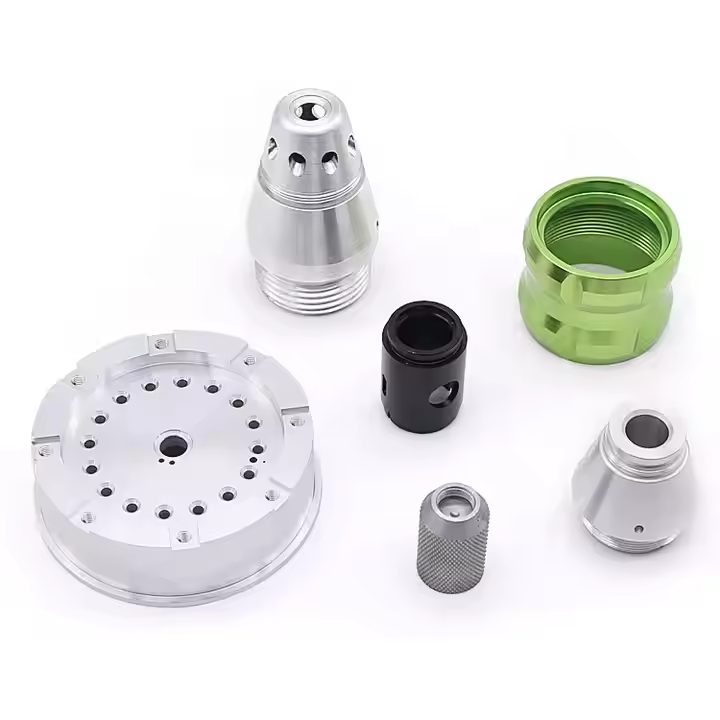
This part focuses on the shipbuilding industry, presenting a case of CNC technology application in the processing of large - scale ship propellers. It showcases how CNC technology addresses challenges in this field, improving processing efficiency and product quality, thus highlighting its significance in ship manufacturing.
CNC Technology Application Cases (Part 2)
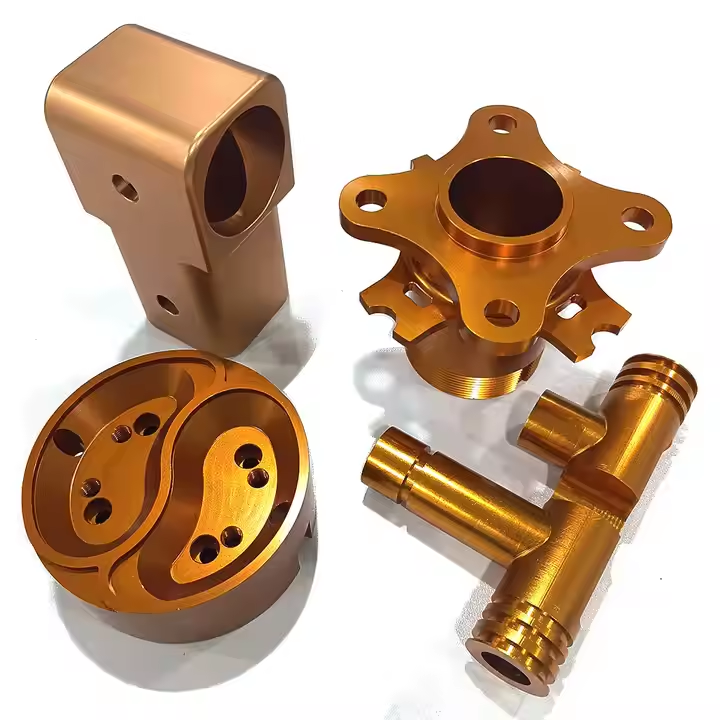
This article focuses on the medical device manufacturing and 3C product manufacturing fields. Through specific cases, it elaborates on the remarkable achievements of CNC technology in manufacturing complex and precise components and improving product quality, demonstrating its crucial role in related industries.
CNC Technology Application Cases (Part 1)