
Which nickel plating process is best for metal parts used outdoors?
author: DJ-02
2025-01-23

For metal parts used outdoors, it is important to choose the right nickel plating process to ensure good corrosion resistance and durability. Here are several nickel plating processes suitable for outdoor use and their advantages and disadvantages:
1. Electroless Nickel Plating
Advantages:
Excellent corrosion resistance: The plating layer formed by electroplating nickel is uniform and dense, which can effectively resist corrosion.
Adapt to complex shapes: No power supply is required, and parts with complex shapes can be evenly covered.
Good adhesion: Strong adhesion to the substrate, suitable for long-term outdoor use.
Applicable scenarios:
Commonly used in outdoor equipment, electronic components and automotive parts.
2. Phosphorous Nickel Plating
Advantages:
Strong wear resistance: Suitable for high wear environment and can withstand external impact.
Good corrosion resistance: Especially suitable for humid and corrosive environments.
Applicable scenarios:
Commonly used in mechanical parts and outdoor equipment.
3. Electrolytic Nickel Plating
Advantages:
Controllable coating thickness: The coating thickness can be adjusted as needed to improve corrosion resistance.
Strong adhesion: The coating has strong adhesion to the substrate.
Applicable scenarios:
Suitable for outdoor metal parts that require thicker coatings, such as automotive chassis and mechanical equipment.
Summary
For metal parts used outdoors, electroplating nickel and nickel phosphide plating are the best choices because they provide superior corrosion resistance and wear resistance. Electroplating nickel is suitable for parts with complex shapes, while nickel phosphide performs well in high-wear environments. Depending on the specific application requirements and environmental conditions, choosing the right nickel plating process will ensure the long-term reliability of metal parts.
Rubber painting
What are the differences between different types of nickel plating processes?
Related Article

This article analyzes the prospects of the custom parts industry from three aspects: market demand, technological innovation, and challenges and opportunities, with specific cases to illustrate its development trends.
Analysis of the Prospects of the Custom Parts Industry
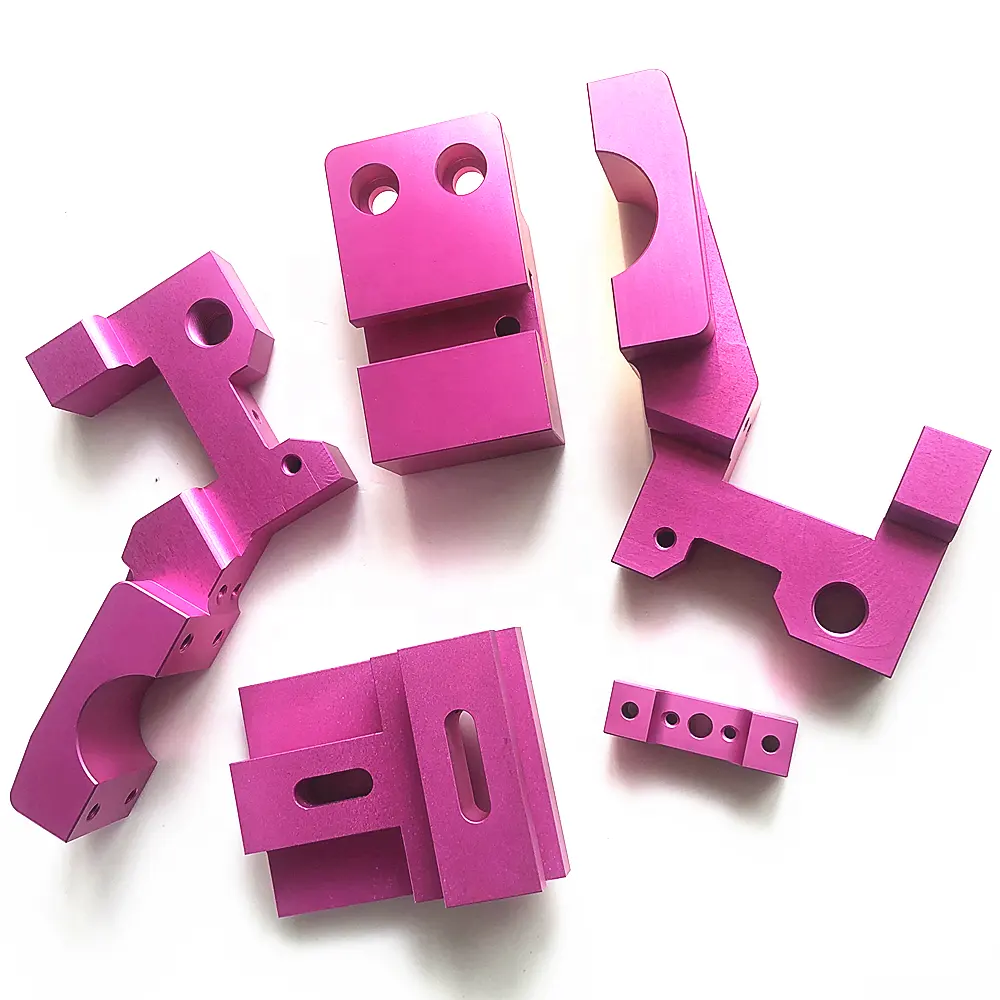
This article details CNC precision technology, covering its definition, applications in aerospace and electronics, advantages like high precision and automation, and its promising future in the manufacturing industry.
CNC Precision Technology: The Core Code of Modern Manufacturing and Its Infinite Potential
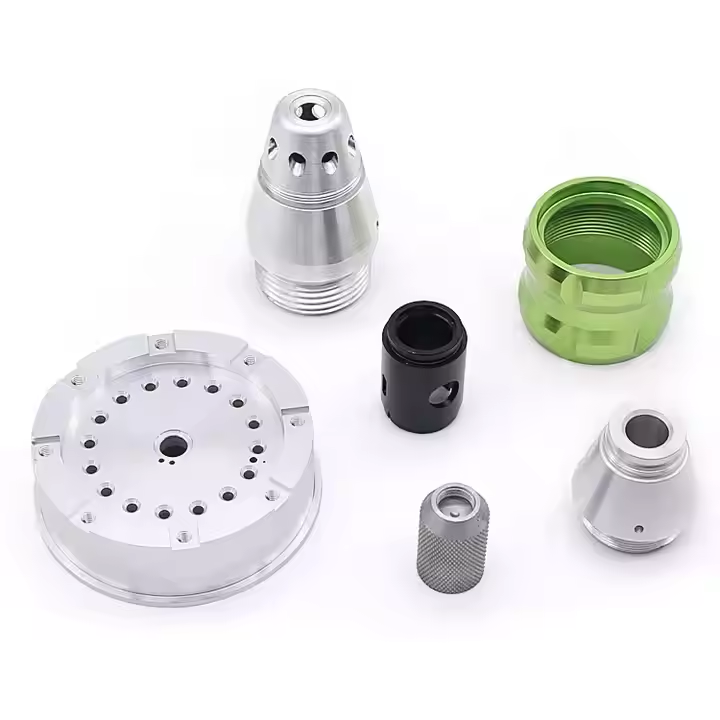
This part focuses on the shipbuilding industry, presenting a case of CNC technology application in the processing of large - scale ship propellers. It showcases how CNC technology addresses challenges in this field, improving processing efficiency and product quality, thus highlighting its significance in ship manufacturing.
CNC Technology Application Cases (Part 2)
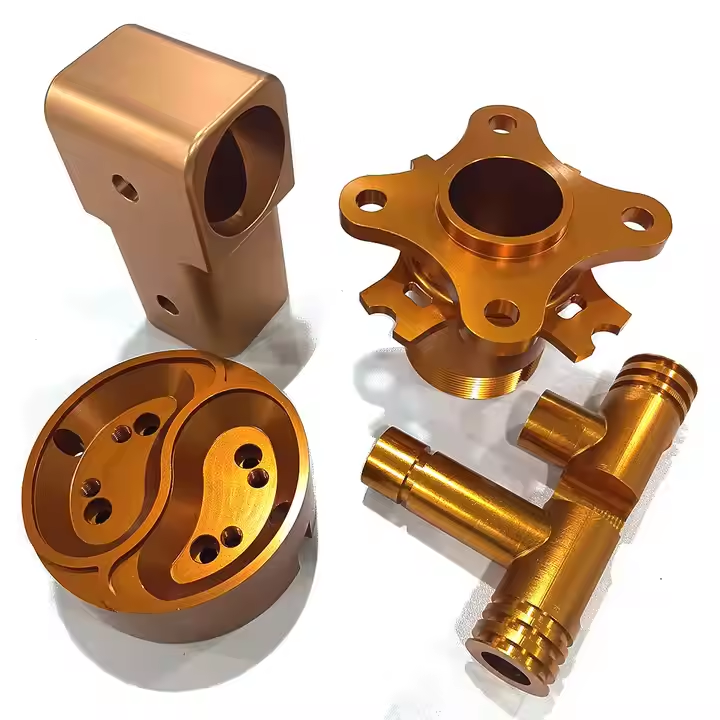
This article focuses on the medical device manufacturing and 3C product manufacturing fields. Through specific cases, it elaborates on the remarkable achievements of CNC technology in manufacturing complex and precise components and improving product quality, demonstrating its crucial role in related industries.
CNC Technology Application Cases (Part 1)