
What are some advanced techniques for improving surface finish?
author: DJ-02
2024-12-24
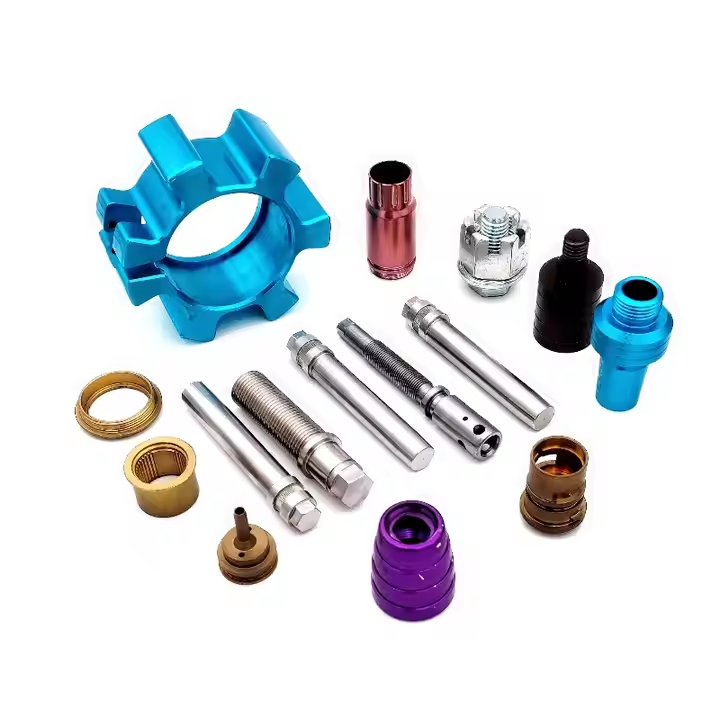
Improving surface finish in CNC machining is crucial for enhancing the quality and functionality of parts. Here are some advanced techniques to achieve better surface finishes:
Optimized Cutting Parameters:
Speeds and Feeds: Adjusting spindle speed and feed rate can significantly affect surface quality. Higher speeds often yield better finishes but must be balanced with tool capabilities.
Depth of Cut: Shallow depths can reduce tool load and improve finish.
Tool Selection:
Coated Tools: Using tools with specialized coatings (like TiN or TiAlN) can reduce friction and wear, leading to smoother finishes.
Geometry: Selecting tools with appropriate geometry (e.g., radius on cutting edges) can help reduce chatter and improve surface quality.
Toolpath Optimization:
Adaptive Toolpaths: Using adaptive machining strategies that adjust toolpaths based on material removal can enhance surface finish.
High-Quality CAM Software: Employing advanced CAM software that optimizes tool movement and minimizes abrupt changes can lead to better finishes.
Multi-Axis Machining:
Utilizing 5-axis CNC machines allows for more complex geometries and better access to surfaces, reducing the need for secondary operations.
Surface Finishing Operations:
Ball Nose End Mills: Using ball nose end mills for finishing passes can help achieve smoother surfaces, especially on contoured parts.
Finishing Passes: Implementing dedicated finishing passes with lower feed rates and lighter cuts can enhance surface quality.
Lubrication and Cooling:
Flood Coolant: Adequate cooling during machining can reduce thermal expansion and improve surface finish.
Minimum Quantity Lubrication (MQL): This technique reduces friction and heat while providing lubrication, leading to improved finish.
Vibration Damping:
Machine Setup: Ensuring proper machine setup and using damping technologies can minimize vibrations that negatively affect surface finish.
Post-Machining Processes:
Deburring and Polishing: Mechanical or chemical deburring and polishing can enhance the final surface finish.
Electropolishing: This process can improve surface finish and corrosion resistance for certain materials.
In-Process Measurement:
Using in-process measurement techniques to monitor surface finish can help adjust machining parameters in real-time for optimal results.
Use of Additive Techniques:
Hybrid Machining: Combining additive manufacturing with CNC machining can create smoother finishes on complex geometries.
Implementing these techniques often requires a tailored approach based on the specific material, part geometry, and desired finish quality.
How does the selection of cutting tools impact the effectiveness of adaptive toolpaths?
What are the common challenges in CNC machining?
Related Article

This article analyzes the prospects of the custom parts industry from three aspects: market demand, technological innovation, and challenges and opportunities, with specific cases to illustrate its development trends.
Analysis of the Prospects of the Custom Parts Industry
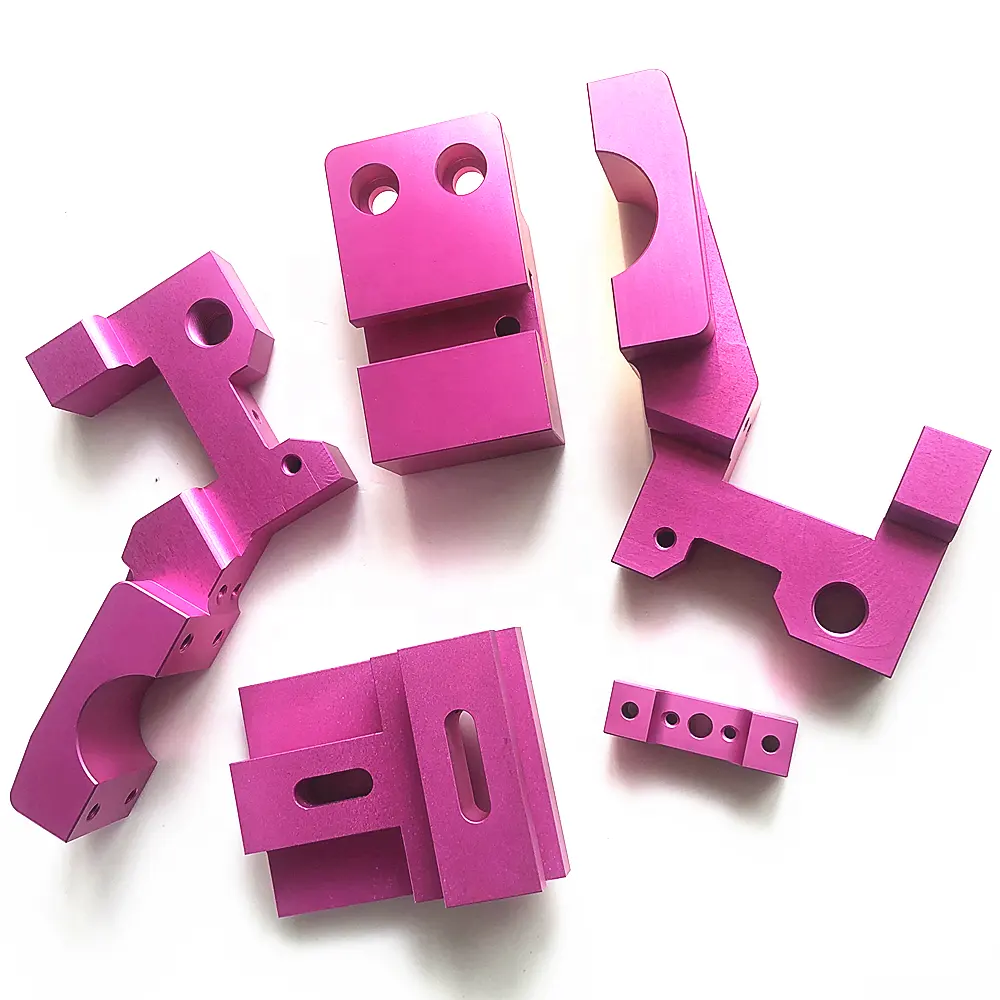
This article details CNC precision technology, covering its definition, applications in aerospace and electronics, advantages like high precision and automation, and its promising future in the manufacturing industry.
CNC Precision Technology: The Core Code of Modern Manufacturing and Its Infinite Potential
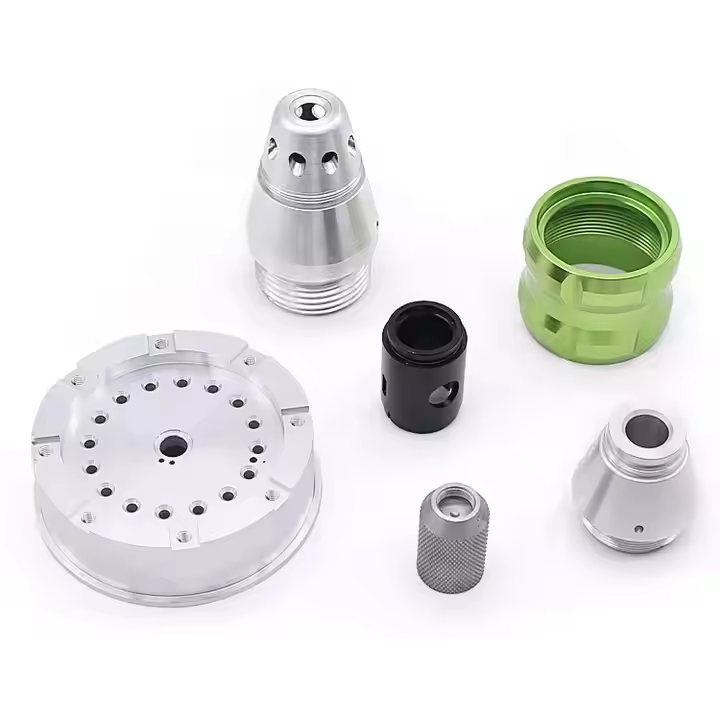
This part focuses on the shipbuilding industry, presenting a case of CNC technology application in the processing of large - scale ship propellers. It showcases how CNC technology addresses challenges in this field, improving processing efficiency and product quality, thus highlighting its significance in ship manufacturing.
CNC Technology Application Cases (Part 2)
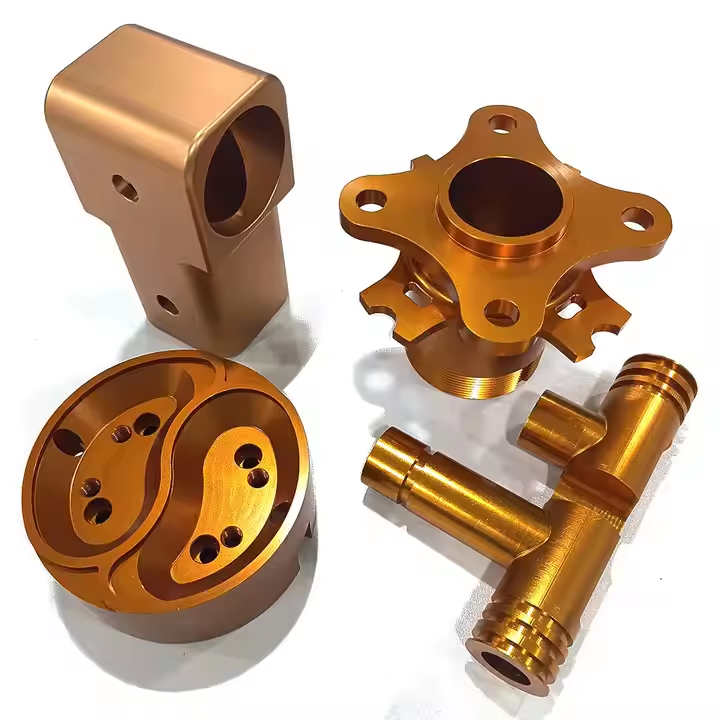
This article focuses on the medical device manufacturing and 3C product manufacturing fields. Through specific cases, it elaborates on the remarkable achievements of CNC technology in manufacturing complex and precise components and improving product quality, demonstrating its crucial role in related industries.
CNC Technology Application Cases (Part 1)