
Functional Prototype
author: DJ-02
2025-01-15

Functional prototype is a physical model used to verify and test the function, performance and actual use of the product during product development. Unlike appearance prototypes and structural prototypes, functional prototypes focus on the operability and performance of the product and are usually used to simulate the performance of the final product in a real environment. The following is a detailed description of the main features and application areas of functional prototypes.
Main Features
Functional Verification: Mainly used to test whether the function of the product meets the design requirements, including electrical, mechanical and fluid aspects.
Interactivity: Functional prototypes are usually designed to be operable and can simulate the interaction between users and products.
Material Diversity: Different materials such as plastics, metals, electronic components, etc. can be used according to functional requirements.
Application Areas
Consumer Electronics: Verify the function, user interface and interaction design of electronic products.
Mechanical Equipment: Test the movement and function of mechanical devices to ensure their normal operation.
Automotive Industry: Verify the performance and interaction of automotive systems (such as sensors, control systems).
Medical Devices: Evaluate the operability and user experience of medical devices.
Summary
Functional prototypes play a key role in the product development process and can effectively verify the feasibility and actual performance of the design. By properly selecting materials and processing methods, high-quality functional prototypes can be produced to ensure that the final product can meet market demand and user expectations.
Advantages and disadvantages of functional prototypes of different materials
Which is better for structural prototypes, ABS plastic or aluminum alloy?
Related Article

This article analyzes the prospects of the custom parts industry from three aspects: market demand, technological innovation, and challenges and opportunities, with specific cases to illustrate its development trends.
Analysis of the Prospects of the Custom Parts Industry
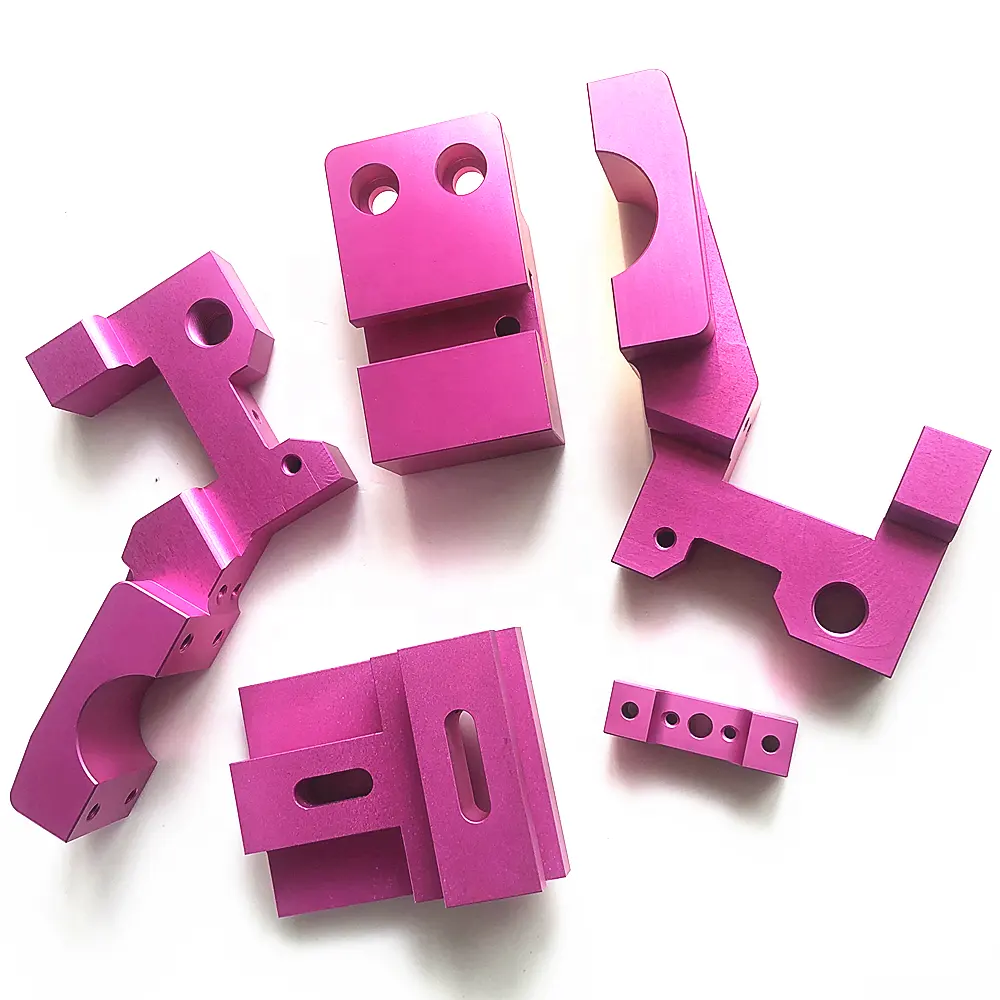
This article details CNC precision technology, covering its definition, applications in aerospace and electronics, advantages like high precision and automation, and its promising future in the manufacturing industry.
CNC Precision Technology: The Core Code of Modern Manufacturing and Its Infinite Potential
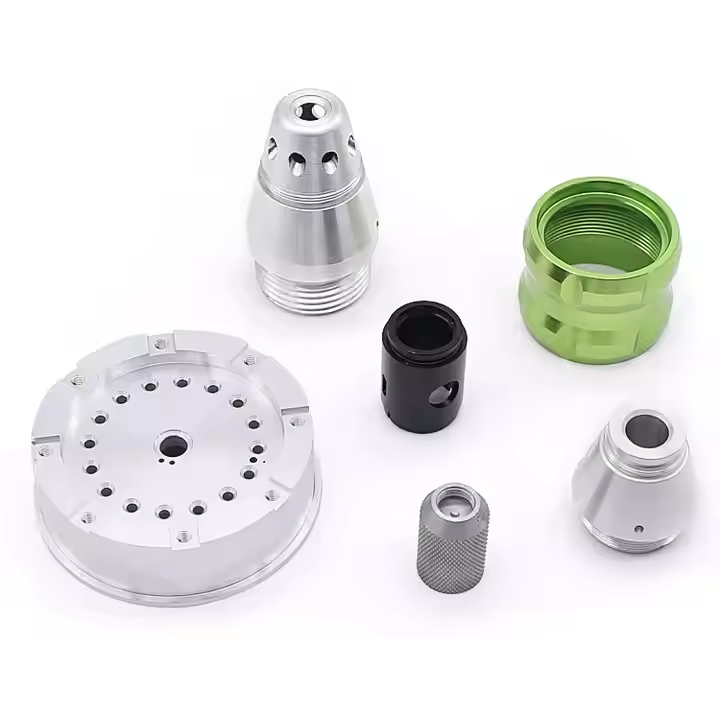
This part focuses on the shipbuilding industry, presenting a case of CNC technology application in the processing of large - scale ship propellers. It showcases how CNC technology addresses challenges in this field, improving processing efficiency and product quality, thus highlighting its significance in ship manufacturing.
CNC Technology Application Cases (Part 2)
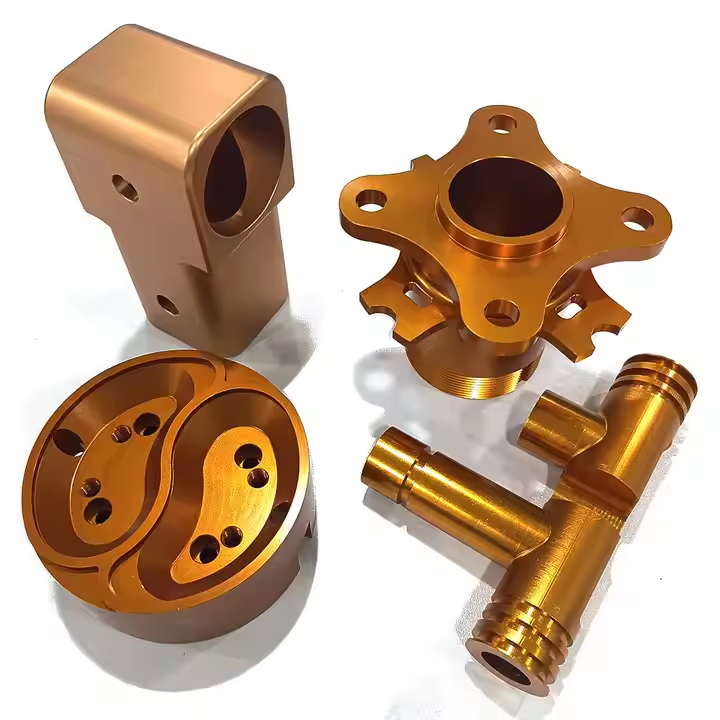
This article focuses on the medical device manufacturing and 3C product manufacturing fields. Through specific cases, it elaborates on the remarkable achievements of CNC technology in manufacturing complex and precise components and improving product quality, demonstrating its crucial role in related industries.
CNC Technology Application Cases (Part 1)