
What are the specific steps of electropolishing?
author: DJ-02
2024-12-24
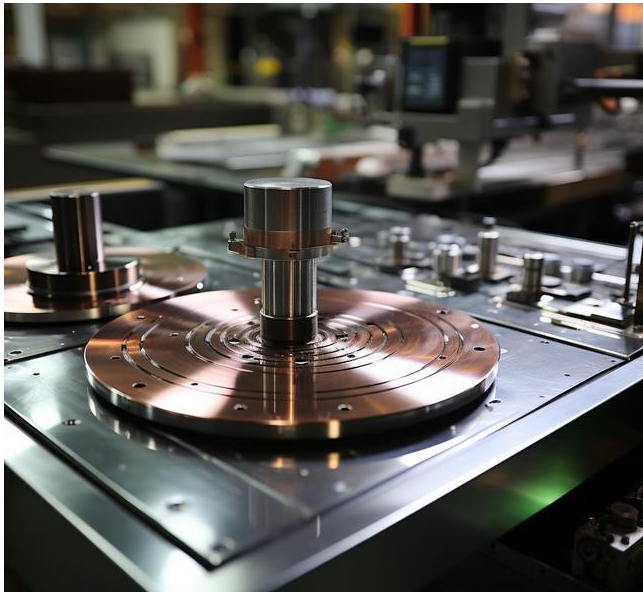
Electropolishing is a method of removing tiny defects on the metal surface through electrochemical reactions to improve the finish and corrosion resistance. The following are the specific steps of electropolishing:
1. Preparation
Material selection: Determine the metal material that needs to be polished (such as stainless steel, aluminum, etc.).
Cleaning the workpiece: Use a cleaning agent to remove oil, dirt and oxides on the surface of the workpiece to ensure the effect of electropolishing.
2. Prepare the electrolyte
Choose the electrolyte: Commonly used electrolytes include mixed solutions of phosphoric acid, sulfuric acid and hydrofluoric acid. Choose the appropriate formula according to the different materials.
Mix the concentration: Mix the electrolyte according to the manufacturer's recommended ratio to ensure that its concentration is appropriate.
3. Equipment preparation
Power supply setting: Prepare an adjustable DC power supply and set the appropriate voltage and current density (usually between 5-30 A/dm²).
Electrolytic cell: Prepare the electrolytic cell to ensure its corrosion resistance and to accommodate enough electrolyte.
4. Install the workpiece
Connect the electrodes: Connect the workpiece as the anode to the positive terminal of the power supply, and the cathode (usually stainless steel or lead) to the negative terminal.
Fix the workpiece: Make sure the workpiece is fixed in the electrolytic tank to avoid movement during polishing.
5. Perform electrolytic polishing
Start the power supply: Turn on the power supply, adjust the current to the preset value, and let the electrochemical reaction begin.
Monitor the reaction: During the polishing process, check the state and temperature of the electrolyte regularly to avoid overheating or
bubbles.
6. Clean the workpiece
Remove the electrolyte: After polishing, immediately rinse the workpiece with plenty of clean water to remove residual electrolyte.
Neutralization: For some acidic electrolytes, it may be necessary to treat the workpiece surface with a neutralizer.
7. Drying and inspection
Drying: Place the workpiece in a dry place or blow it dry with compressed air.
Surface inspection: Check the surface quality after polishing to ensure that the desired finish and effect are achieved.
8. Subsequent treatment
Surface protection: If necessary, the polished surface can be coated or otherwise protected.
Through the above steps, electrolytic polishing can effectively improve the surface finish and corrosion resistance of the workpiece, and is widely used in the processing of metals such as stainless steel and aluminum alloy.
Optimization of Precision Machining Parts Process
The impact of tool length on surface finish?
Related Article

This article analyzes the prospects of the custom parts industry from three aspects: market demand, technological innovation, and challenges and opportunities, with specific cases to illustrate its development trends.
Analysis of the Prospects of the Custom Parts Industry
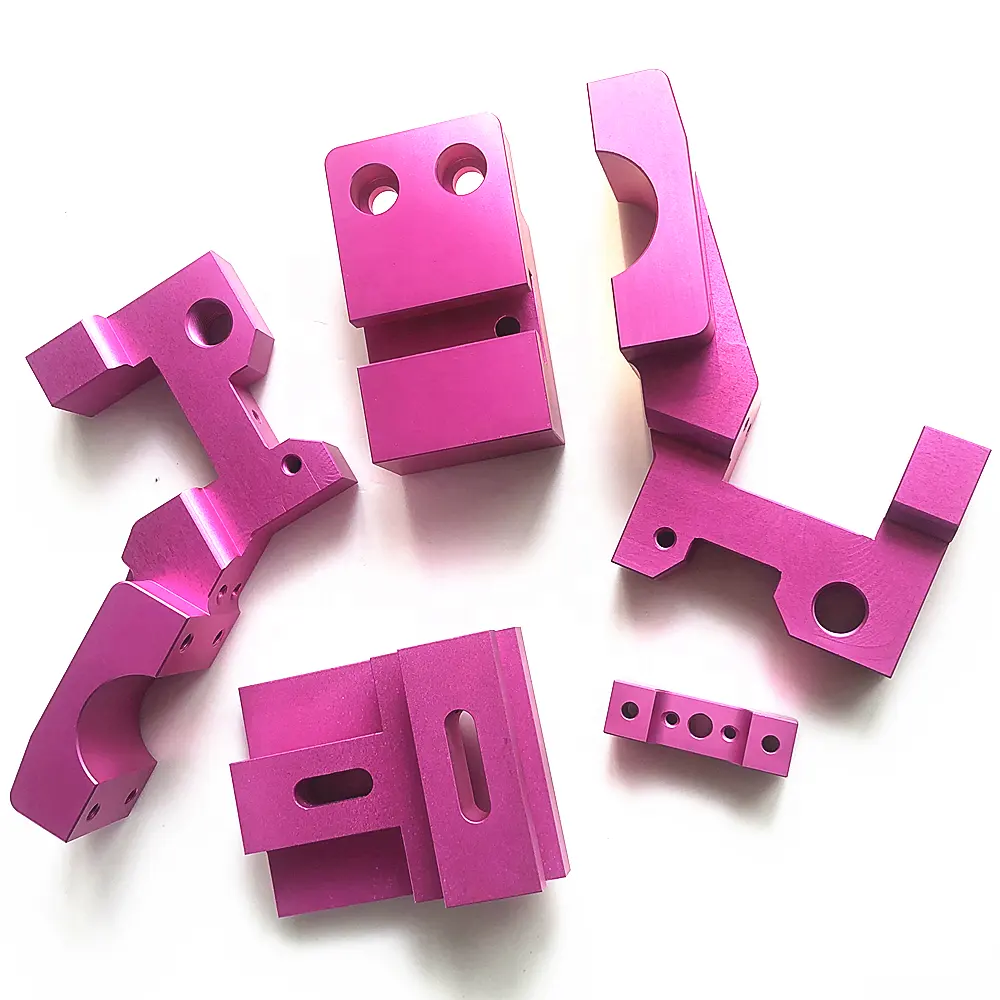
This article details CNC precision technology, covering its definition, applications in aerospace and electronics, advantages like high precision and automation, and its promising future in the manufacturing industry.
CNC Precision Technology: The Core Code of Modern Manufacturing and Its Infinite Potential
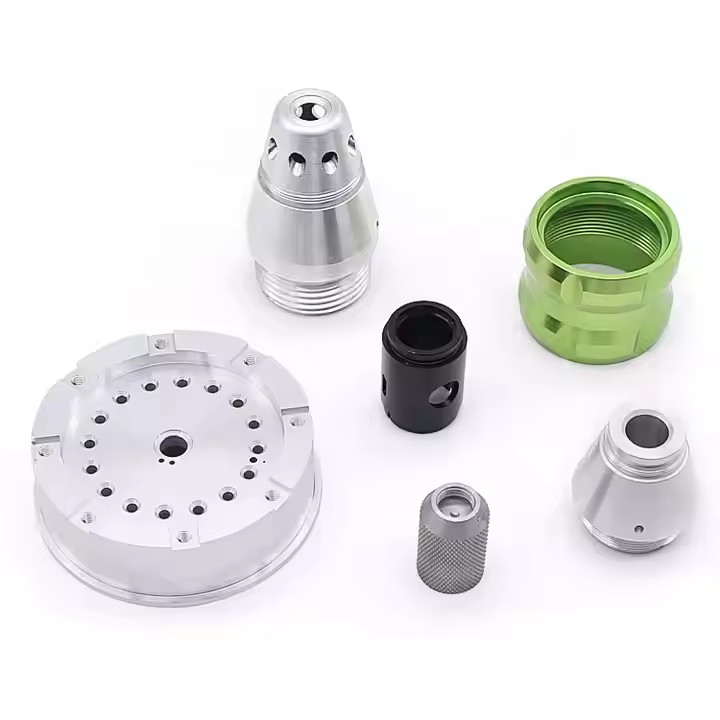
This part focuses on the shipbuilding industry, presenting a case of CNC technology application in the processing of large - scale ship propellers. It showcases how CNC technology addresses challenges in this field, improving processing efficiency and product quality, thus highlighting its significance in ship manufacturing.
CNC Technology Application Cases (Part 2)
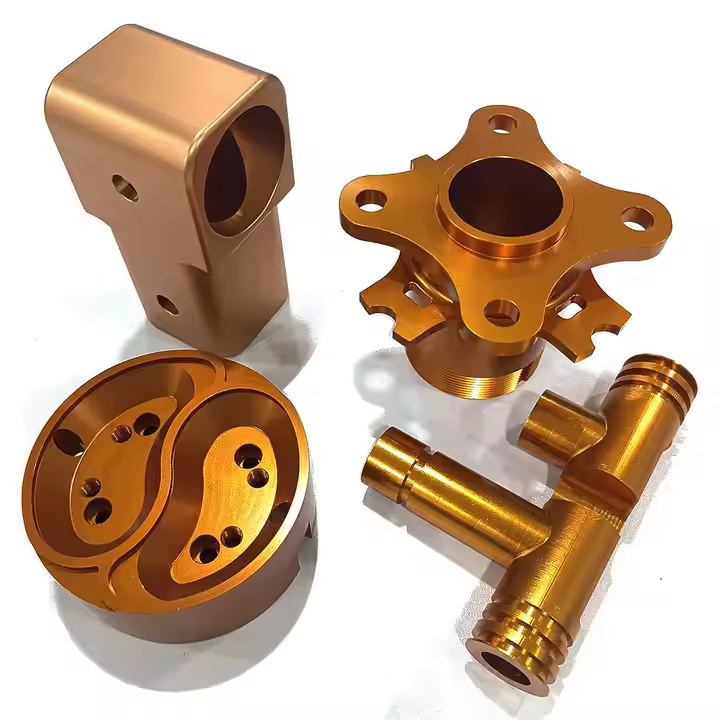
This article focuses on the medical device manufacturing and 3C product manufacturing fields. Through specific cases, it elaborates on the remarkable achievements of CNC technology in manufacturing complex and precise components and improving product quality, demonstrating its crucial role in related industries.
CNC Technology Application Cases (Part 1)