
Which is better for complex surfaces, 3D printing or CNC machining?
author: DJ-02
2025-01-13
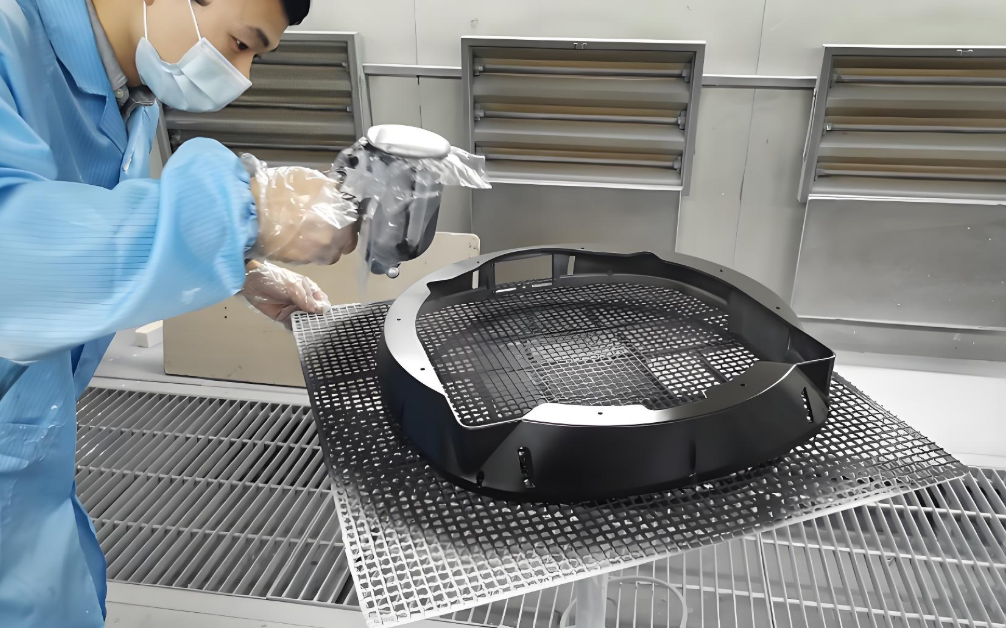
When choosing between 3D printing and CNC machining for the production of complex surfaces, the pros and cons of each will influence the final decision. Here is a comparison of the two technologies to help you choose the processing method that is more suitable for complex surfaces:
3D printing
Pros:
Design flexibility: 3D printing can easily handle complex geometries and internal structures, suitable for making highly complex surfaces.
Rapid prototyping: Since there is no mold limitation, 3D printing can quickly produce prototypes, which is convenient for iterative design.
Material diversity: A variety of materials can be used, including plastics, resins and even metals, to meet different needs.
Disadvantages:
Surface smoothness: 3D printed surfaces are usually rough and may require post-processing to improve surface quality.
Strength issues: Some 3D printing materials may not be as strong and durable as CNC machined metal parts.
CNC machining
Pros:
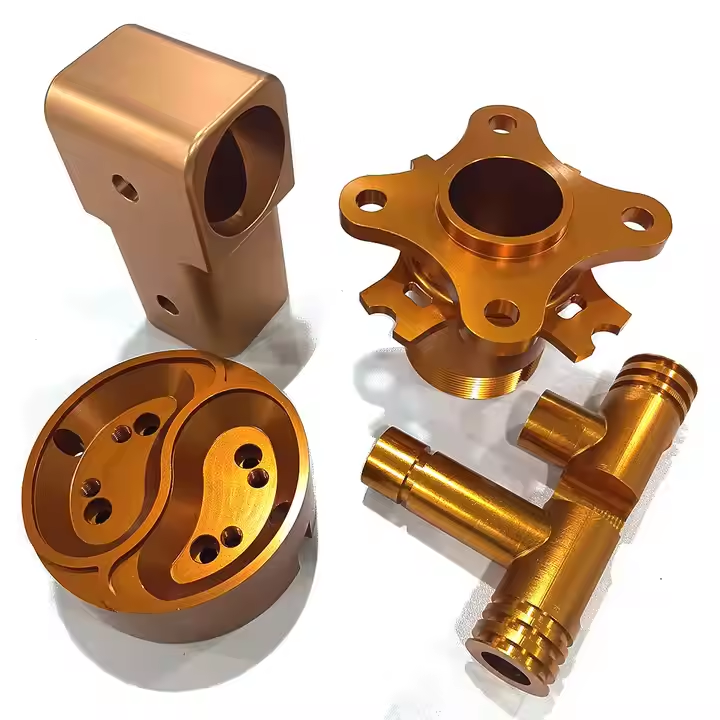
High precision: CNC machining can achieve extremely high processing accuracy and surface smoothness, suitable for complex surfaces that require tight tolerances.
Material strength: CNC machining can use a variety of strong materials (such as metals and hard plastics), and the parts made are generally more durable.
Surface treatment: The surface can achieve a high finish after machining, which is suitable for applications with high requirements for appearance.
Disadvantages:
Design limitations: CNC machining is limited by the shape and processing path of the tool, which may be difficult to achieve for designs with very complex or internal structures.
Processing time: The processing time is usually longer, especially for parts with complex shapes and large sizes.
Conclusion
If your project requires processing highly complex surfaces and has high requirements for material and design flexibility, 3D printing is usually a more suitable choice.
If you need high-precision, high-strength parts and can accept longer processing times, CNC machining may be more suitable.
The final choice should be determined based on the needs, budget and time frame of the specific project.
Can CNC machining achieve the production of complex internal structures, and what are the limitations?
Appearance Prototype
Related Article

This article analyzes the prospects of the custom parts industry from three aspects: market demand, technological innovation, and challenges and opportunities, with specific cases to illustrate its development trends.
Analysis of the Prospects of the Custom Parts Industry
This article details CNC precision technology, covering its definition, applications in aerospace and electronics, advantages like high precision and automation, and its promising future in the manufacturing industry.
CNC Precision Technology: The Core Code of Modern Manufacturing and Its Infinite Potential
This part focuses on the shipbuilding industry, presenting a case of CNC technology application in the processing of large - scale ship propellers. It showcases how CNC technology addresses challenges in this field, improving processing efficiency and product quality, thus highlighting its significance in ship manufacturing.
CNC Technology Application Cases (Part 2)
This article focuses on the medical device manufacturing and 3C product manufacturing fields. Through specific cases, it elaborates on the remarkable achievements of CNC technology in manufacturing complex and precise components and improving product quality, demonstrating its crucial role in related industries.
CNC Technology Application Cases (Part 1)