
What are the differences between deburring methods for different materials?
author: DJ-02
2024-12-24

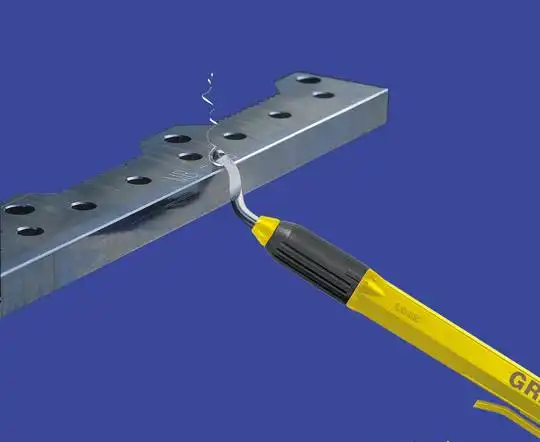
Deburring is an important step in the post-processing process. Due to the differences in physical and chemical properties of workpieces made of different materials, the applicable deburring methods are also different. The following are some common deburring methods for materials and their differences:
1. Metal materials
a. Steel
Method:
Mechanical deburring: Use a grinder, deburring machine or vibration deburring equipment.
Chemical deburring: Use pickling solution to remove burrs.
Features: Steel materials are hard and suitable for mechanical deburring, but it is necessary to control the deburring depth to avoid damaging the workpiece.
b. Aluminum alloy
Method:
Manual deburring: Use a file or abrasive tool for manual processing.
Chemical deburring: Use a chemical solution (such as sodium hydroxide) for processing.
Features: Aluminum alloy is relatively soft, and chemical deburring has a better effect, but it is necessary to prevent corrosion to the surface.
2. Plastic materials
Method:
Manual deburring: Use a blade or file for deburring.
Thermal deburring: Use a hot air gun or hot knife to deburr.
Features: Plastic materials are relatively soft, manual deburring is simple and effective, and thermal deburring can melt the burrs and remove them more cleanly.
3. Composite materials
Methods:
Manual deburring: Use a file or fine sandpaper.
Mechanical deburring: Use a dedicated deburring tool.
Features: Deburring of composite materials needs to consider the characteristics of different materials to prevent interlayer separation or material damage.
Summary
The burr removal method for different materials should be selected according to the characteristics, strength and brittleness of the materials. Metal materials are mostly mechanical and chemical methods, plastic materials are mostly manual or heat treated, and composite materials need to be particularly careful to avoid damage. Reasonable selection of deburring methods can improve the cleaning effect and ensure the quality of the workpiece.
Blue Oxidation: Properties, Preparation and Diverse Applications
Ultrasonic cleaning application scope and advantages
Related Article

This article analyzes the prospects of the custom parts industry from three aspects: market demand, technological innovation, and challenges and opportunities, with specific cases to illustrate its development trends.
Analysis of the Prospects of the Custom Parts Industry
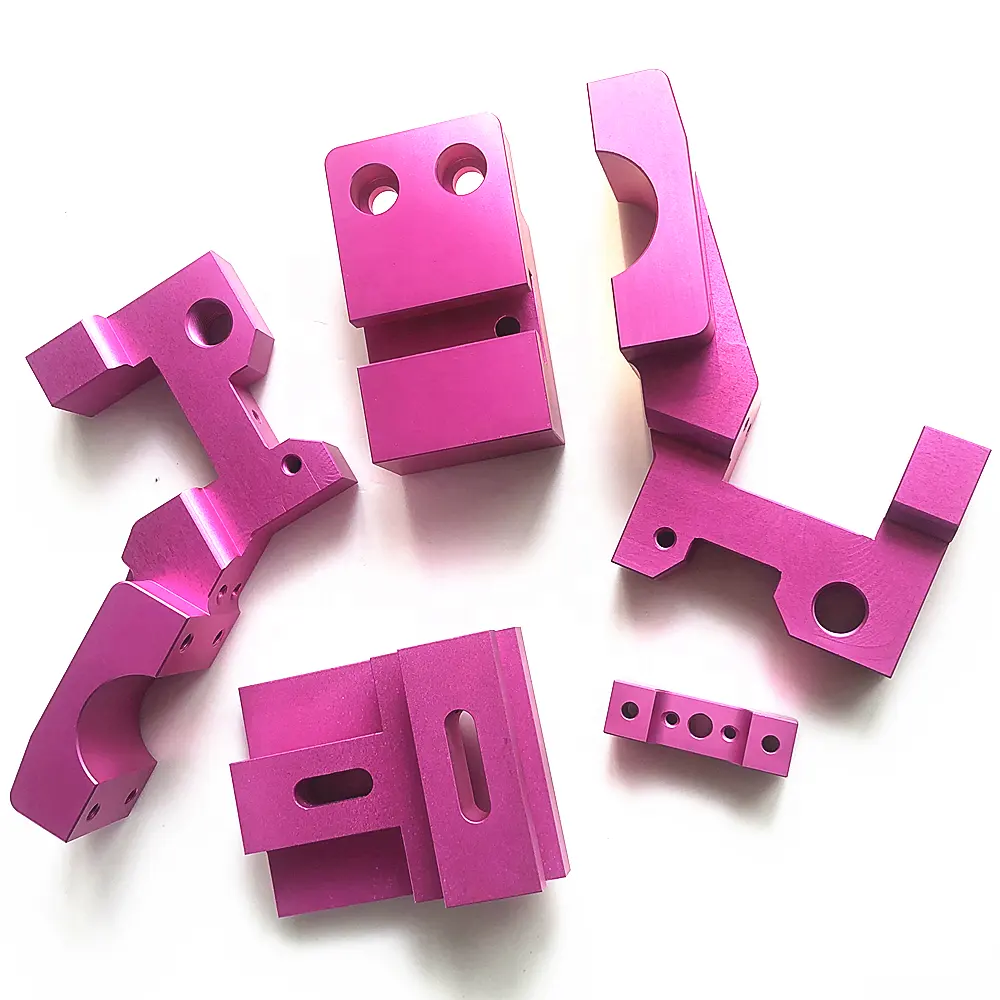
This article details CNC precision technology, covering its definition, applications in aerospace and electronics, advantages like high precision and automation, and its promising future in the manufacturing industry.
CNC Precision Technology: The Core Code of Modern Manufacturing and Its Infinite Potential
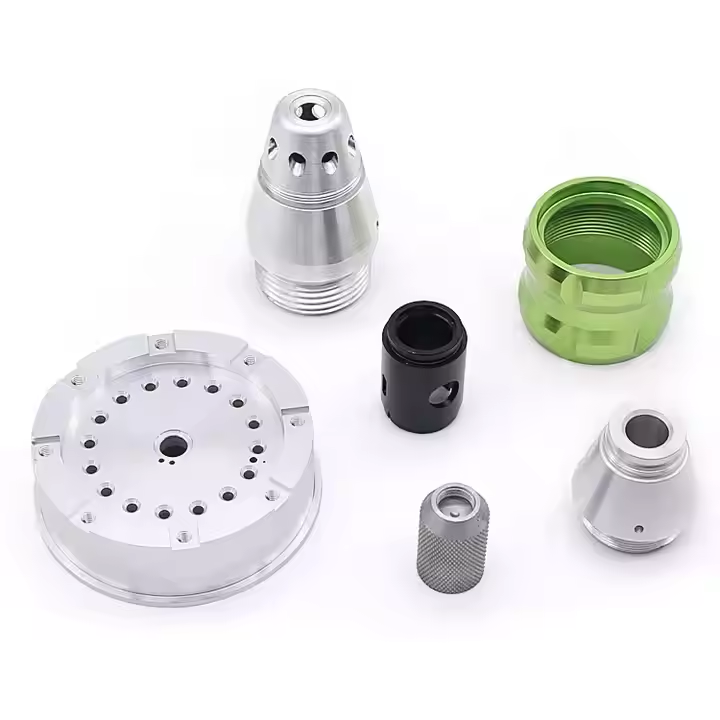
This part focuses on the shipbuilding industry, presenting a case of CNC technology application in the processing of large - scale ship propellers. It showcases how CNC technology addresses challenges in this field, improving processing efficiency and product quality, thus highlighting its significance in ship manufacturing.
CNC Technology Application Cases (Part 2)
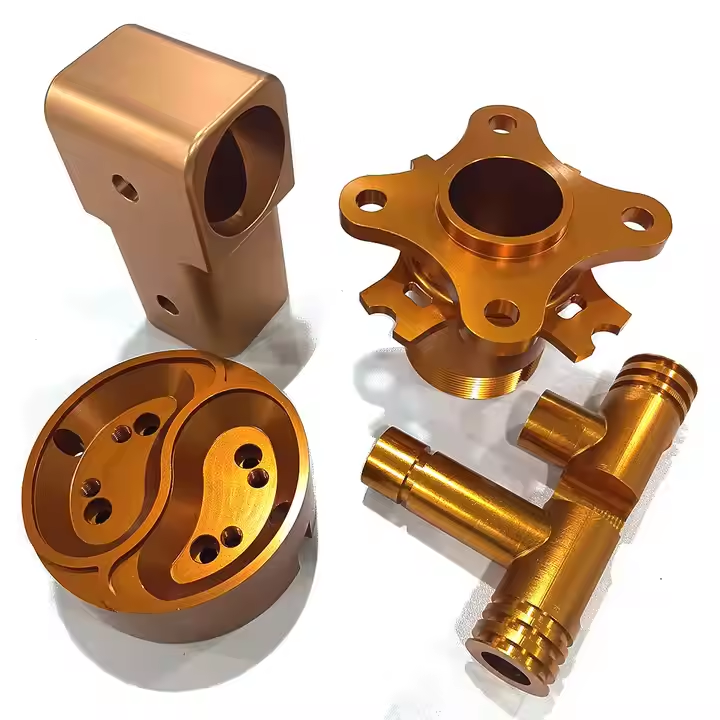
This article focuses on the medical device manufacturing and 3C product manufacturing fields. Through specific cases, it elaborates on the remarkable achievements of CNC technology in manufacturing complex and precise components and improving product quality, demonstrating its crucial role in related industries.
CNC Technology Application Cases (Part 1)