
Surface oxidation of machined parts
author: DJ-04
2024-10-28
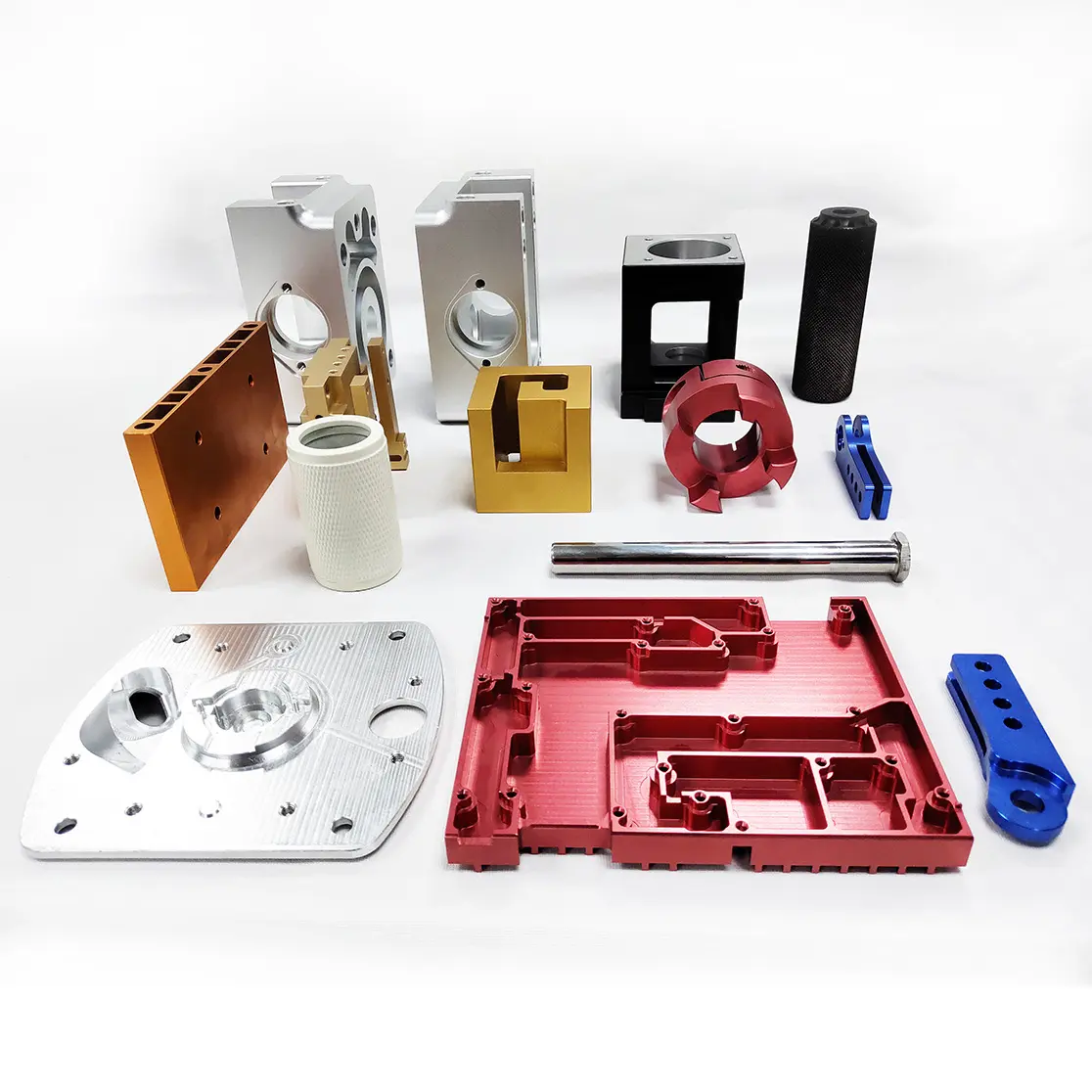
Want to know details of Surface oxidation of machined parts ? Leading supplier - djproto will share knowledge of custom metal milling , custom cnc milling near me , cnc rapid prototyping for you. Click the link to get more information.
Surface oxidation of machined parts is an important phenomenon that has a significant impact on the performance and service life of parts. The following are some key points about surface oxidation of machined parts:
Causes of surface oxidation
Environmental factors: During processing and storage, machined parts are exposed to air and moisture, which can easily lead to oxidation reactions.
Material properties: Some metals (such as aluminum and iron) easily form an oxide layer in the air, especially in high temperature or humid environments.
Processing process: The use of cutting fluid and processing conditions (such as temperature and pressure) can also affect the degree of oxidation.
Effects of surface oxidation
Corrosion resistance: The oxide layer can protect the metal surface to a certain extent and prevent further corrosion, but an excessively thick oxide layer may affect the subsequent coating or bonding performance.
Surface roughness: Oxidation changes the microstructure of the surface and may cause an increase in surface roughness, thereby affecting the fit and friction performance of the parts.
Mechanical properties: The presence of the oxide layer may affect the strength and toughness of the material, especially in high stress environments.
Preventive measures
Use anti-oxidation coating: Anti-oxidation treatment is applied to the parts after processing, such as spraying anti-rust oil or other protective coatings.
Control the processing environment: Store and process parts in a dry and temperature-appropriate environment to reduce the possibility of oxidation.
Choose the right cutting fluid: Using a cutting fluid with good anti-rust properties can effectively reduce the occurrence of oxidation.
Use anti-oxidation coating: Anti-oxidation treatment is applied to the parts after processing, such as spraying anti-rust oil or other protective coatings.
Control the processing environment: Store and process parts in a dry and temperature-appropriate environment to reduce the possibility of oxidation.
Choose the right cutting fluid: Using a cutting fluid with good anti-rust properties can effectively reduce the occurrence of oxidation.
Conclusion
Surface oxidation of machined parts is an issue that needs to be taken seriously. Reasonable preventive measures and treatment methods can effectively reduce the impact of oxidation on part performance.
Understanding Sheet Metal Processing: Processes, Applications, and Advantages
What is the future development trend of laser cutting technology?
Related Article

This article analyzes the prospects of the custom parts industry from three aspects: market demand, technological innovation, and challenges and opportunities, with specific cases to illustrate its development trends.
Analysis of the Prospects of the Custom Parts Industry
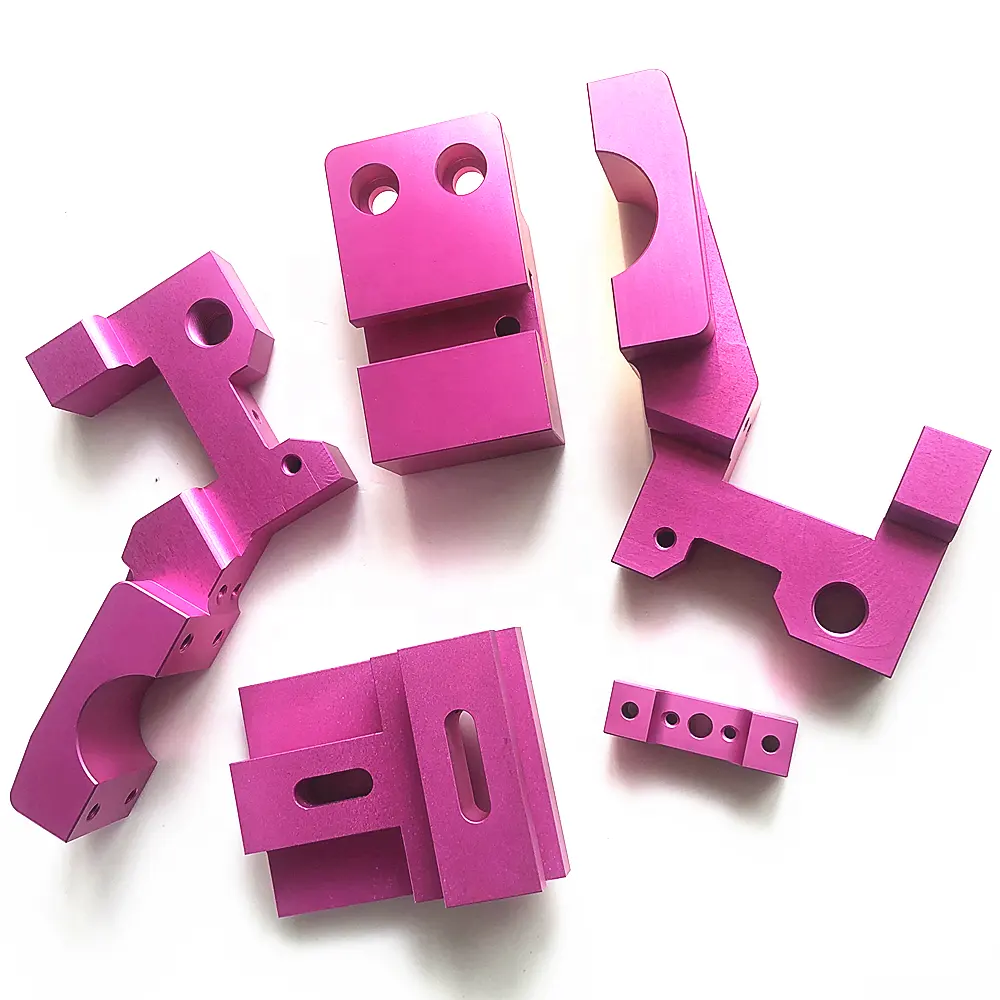
This article details CNC precision technology, covering its definition, applications in aerospace and electronics, advantages like high precision and automation, and its promising future in the manufacturing industry.
CNC Precision Technology: The Core Code of Modern Manufacturing and Its Infinite Potential
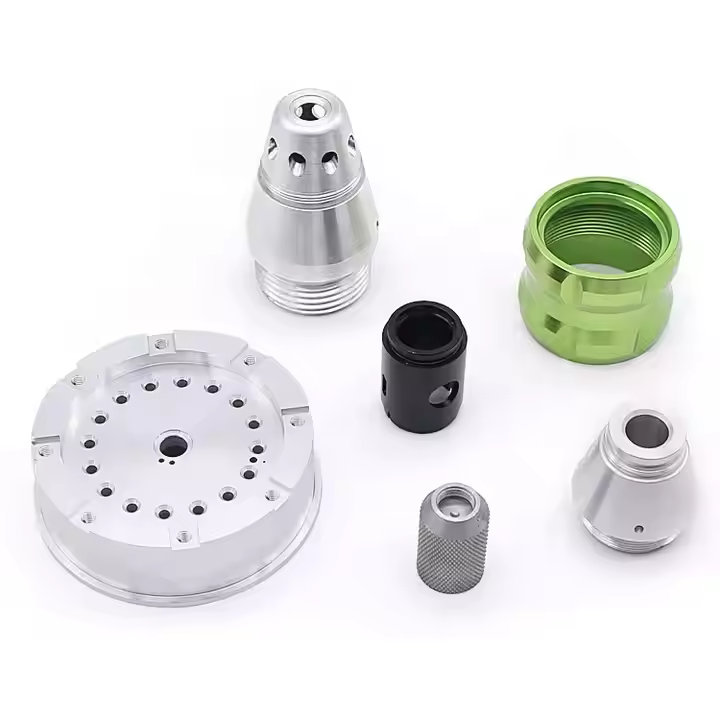
This part focuses on the shipbuilding industry, presenting a case of CNC technology application in the processing of large - scale ship propellers. It showcases how CNC technology addresses challenges in this field, improving processing efficiency and product quality, thus highlighting its significance in ship manufacturing.
CNC Technology Application Cases (Part 2)
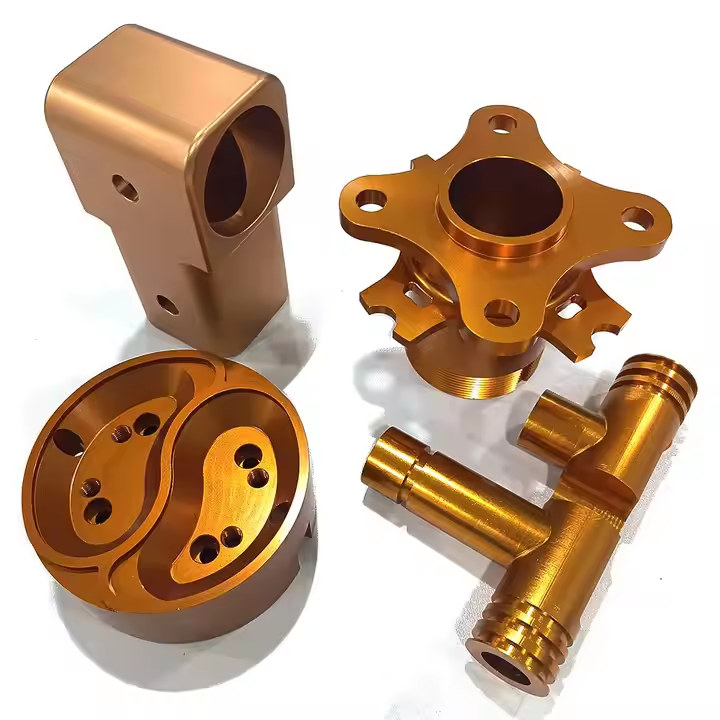
This article focuses on the medical device manufacturing and 3C product manufacturing fields. Through specific cases, it elaborates on the remarkable achievements of CNC technology in manufacturing complex and precise components and improving product quality, demonstrating its crucial role in related industries.
CNC Technology Application Cases (Part 1)