
What are some examples of materials unsuitable for five-axis machining?
author: DJ-02
2024-12-03
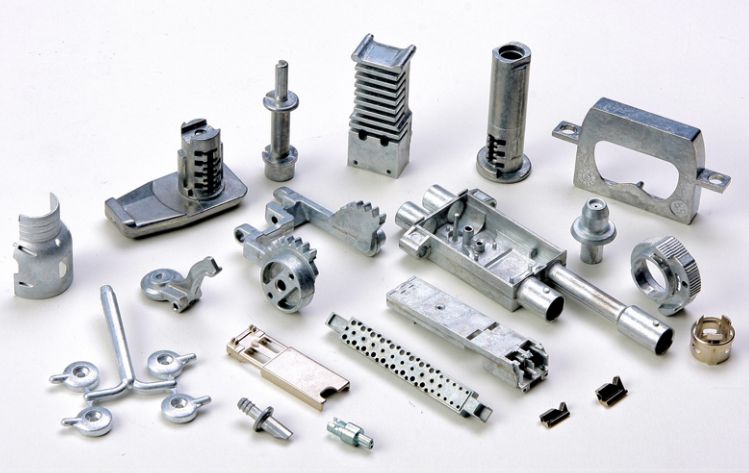
While five-axis machining is versatile and can handle a wide range of materials, certain materials may be less suitable due to their properties. Here are some examples:
1. Brittle Materials
-
Glass: Prone to chipping and cracking during machining due to its brittleness.
-
Ceramics: Similar to glass, ceramics can fracture under stress, making precise machining difficult.
2. Soft Materials
-
Foams: Soft and compressible materials like certain foams can deform under machining pressure, leading to inaccuracies.
-
Rubber: Its flexibility can make it challenging to achieve precise cuts, particularly for intricate designs.
3. Extremely Hard Materials
-
High Hardness Alloys: Materials like hardened tool steels or superalloys may wear tools quickly and can be challenging to machine, requiring specialized tools and techniques.
-
Titanium: While it can be machined, its hardness and tendency to work-harden can complicate the process, especially with complex geometries.
4. Composite Materials
-
Carbon Fiber Composites: While they can be machined, they require special tooling and techniques to avoid delamination and damage.
-
Glass Fiber Composites: Similar to carbon fiber, they can be challenging due to their layered structure and can produce dust that may require specialized handling.
5. Materials with High Thermal Expansion
-
Certain Plastics: Some plastics can expand significantly when heated, which may lead to dimensional inaccuracies during machining.
6. Metals with Low Melting Points
-
Lead: Its softness and low melting point can cause excessive tool wear and produce poor surface finishes.
-
Tin: Similar issues as lead, leading to challenges in achieving tight tolerances.
Conclusion
Choosing the right material for five-axis machining is crucial for ensuring optimal performance and precision. Materials that are brittle, excessively soft, extremely hard, or have unique properties can present challenges that may make them unsuitable for effective machining, necessitating alternative approaches or techniques.
Unveiling the Sandblasting Process: The Versatile Magic of Reshaping Metal Surfaces in Multiple Forms
How does five-axis machining compare to three-axis machining?
Related Article

This article analyzes the prospects of the custom parts industry from three aspects: market demand, technological innovation, and challenges and opportunities, with specific cases to illustrate its development trends.
Analysis of the Prospects of the Custom Parts Industry
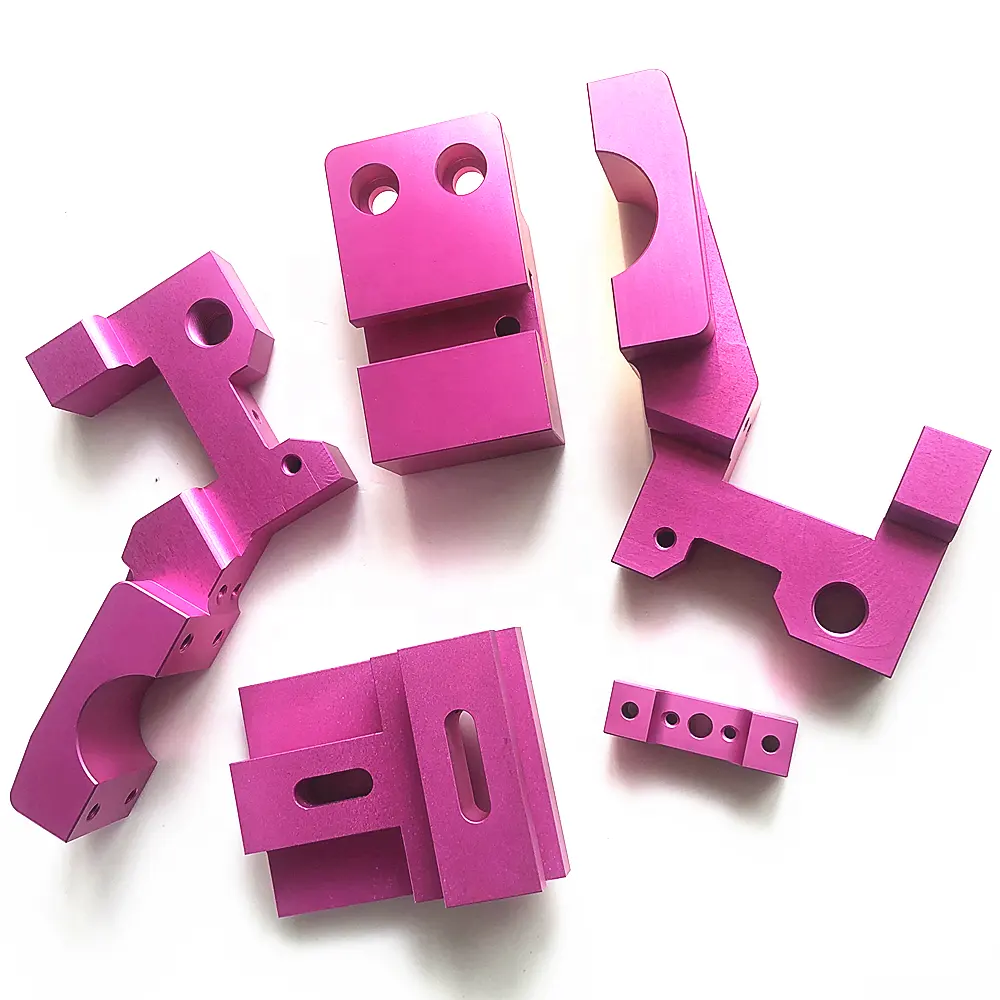
This article details CNC precision technology, covering its definition, applications in aerospace and electronics, advantages like high precision and automation, and its promising future in the manufacturing industry.
CNC Precision Technology: The Core Code of Modern Manufacturing and Its Infinite Potential
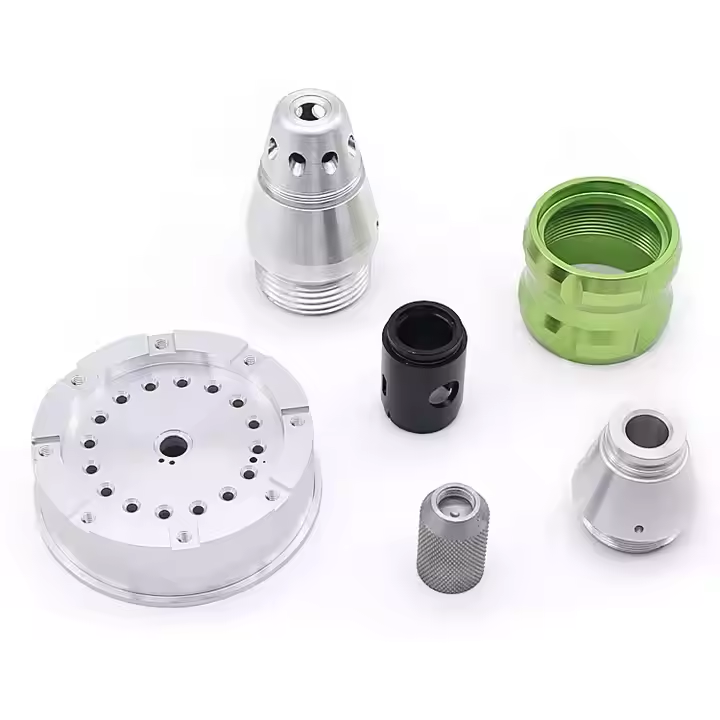
This part focuses on the shipbuilding industry, presenting a case of CNC technology application in the processing of large - scale ship propellers. It showcases how CNC technology addresses challenges in this field, improving processing efficiency and product quality, thus highlighting its significance in ship manufacturing.
CNC Technology Application Cases (Part 2)
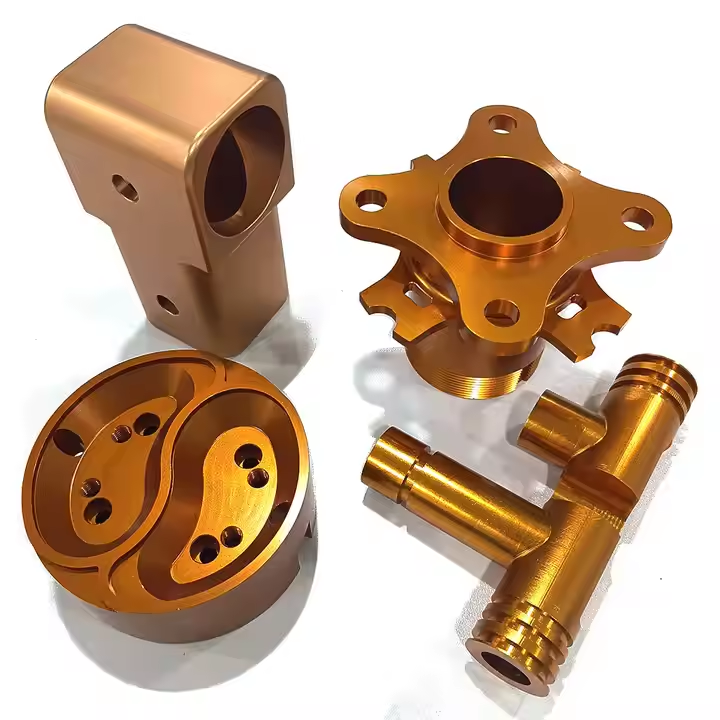
This article focuses on the medical device manufacturing and 3C product manufacturing fields. Through specific cases, it elaborates on the remarkable achievements of CNC technology in manufacturing complex and precise components and improving product quality, demonstrating its crucial role in related industries.
CNC Technology Application Cases (Part 1)