
Which materials are suitable for EDM processing of medical devices?
author: DJ-02
2024-12-10

Materials suitable for EDM processing in the manufacturing of medical devices include:
Stainless Steel:
Commonly used for surgical instruments and implants due to its corrosion resistance and biocompatibility.
Titanium and Titanium Alloys:
Known for their excellent strength-to-weight ratio, widely used in bone implants and dental devices.
High-Temperature Alloys:
Such as nickel-based alloys, suitable for manufacturing components of medical devices that operate at high temperatures.
Carbides:
Such as tungsten carbide, which has extreme hardness, making it ideal for cutting tools and abrasives.
Aluminum and Aluminum Alloys:
While not as corrosion-resistant as other materials, aluminum is used in some medical devices due to its lightweight characteristics.
Polymer Materials:
Certain high-performance polymers (such as Polyether Ether Ketone, PEEK) can be processed with EDM, suitable for devices requiring insulation or specific physical properties.
Ceramic Materials:
High-performance ceramics can be machined using EDM, ideal for creating wear-resistant and biocompatible components.
The choice of these materials typically depends on the specific application requirements of the medical device, including the necessary biocompatibility and mechanical properties.
Electrophoresis: An Outstanding Metal Surface Treatment Process
What are some specific application cases of EDM in medical device manufacturing?
Related Article

This article analyzes the prospects of the custom parts industry from three aspects: market demand, technological innovation, and challenges and opportunities, with specific cases to illustrate its development trends.
Analysis of the Prospects of the Custom Parts Industry
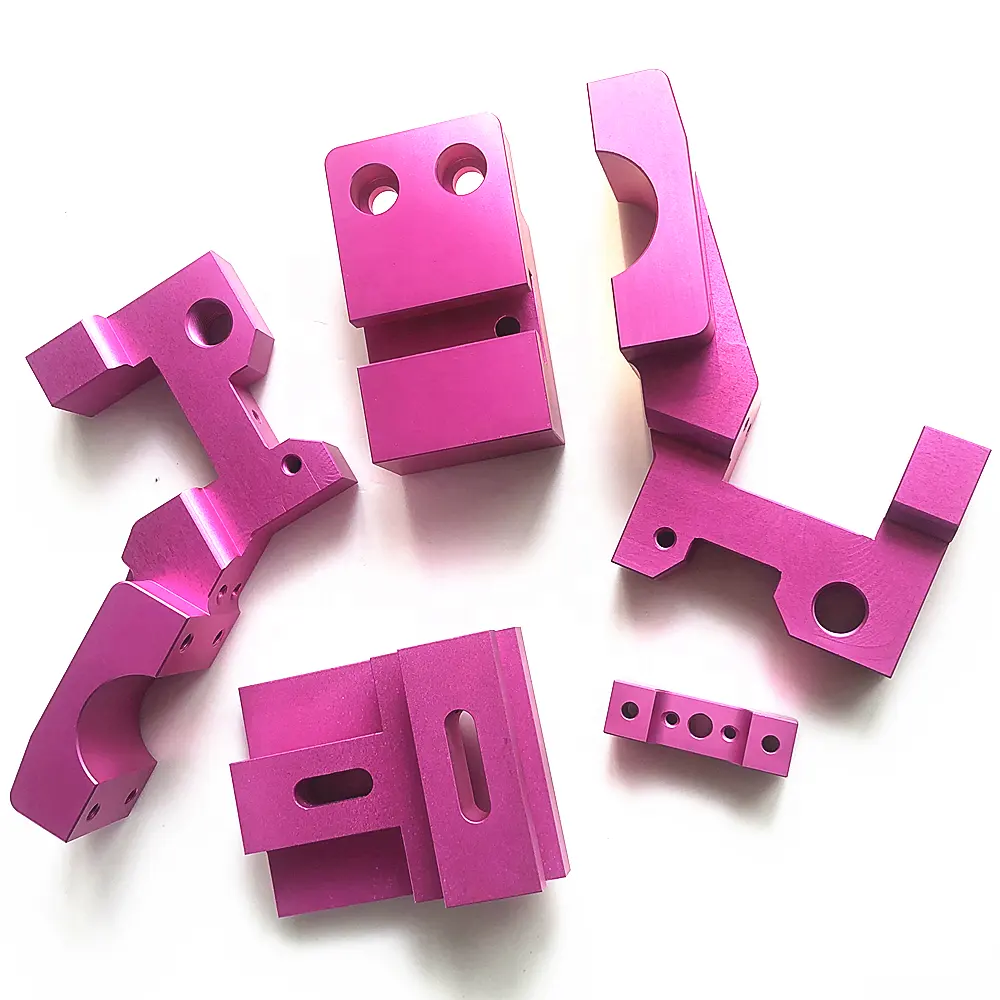
This article details CNC precision technology, covering its definition, applications in aerospace and electronics, advantages like high precision and automation, and its promising future in the manufacturing industry.
CNC Precision Technology: The Core Code of Modern Manufacturing and Its Infinite Potential
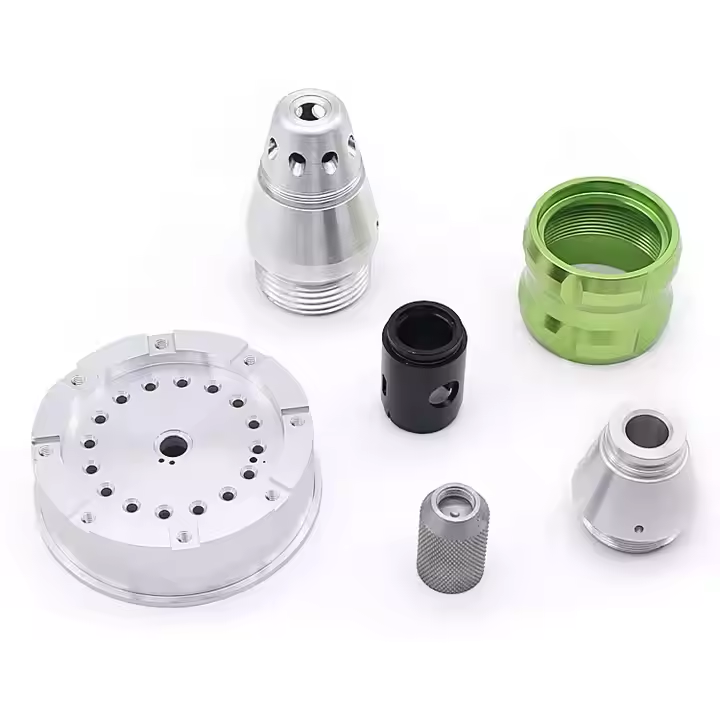
This part focuses on the shipbuilding industry, presenting a case of CNC technology application in the processing of large - scale ship propellers. It showcases how CNC technology addresses challenges in this field, improving processing efficiency and product quality, thus highlighting its significance in ship manufacturing.
CNC Technology Application Cases (Part 2)
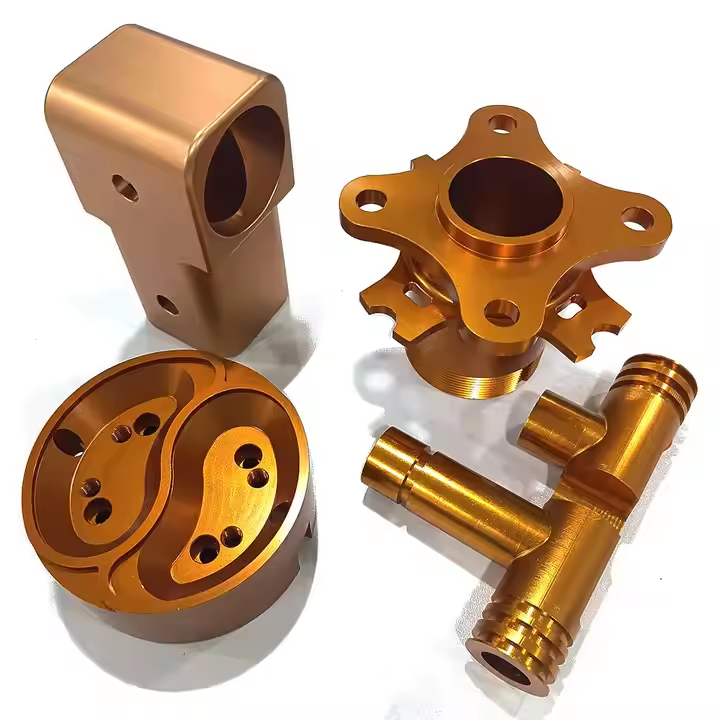
This article focuses on the medical device manufacturing and 3C product manufacturing fields. Through specific cases, it elaborates on the remarkable achievements of CNC technology in manufacturing complex and precise components and improving product quality, demonstrating its crucial role in related industries.
CNC Technology Application Cases (Part 1)