
Can CNC machining achieve the production of complex internal structures, and what are the limitations?
author: DJ-02
2025-01-13
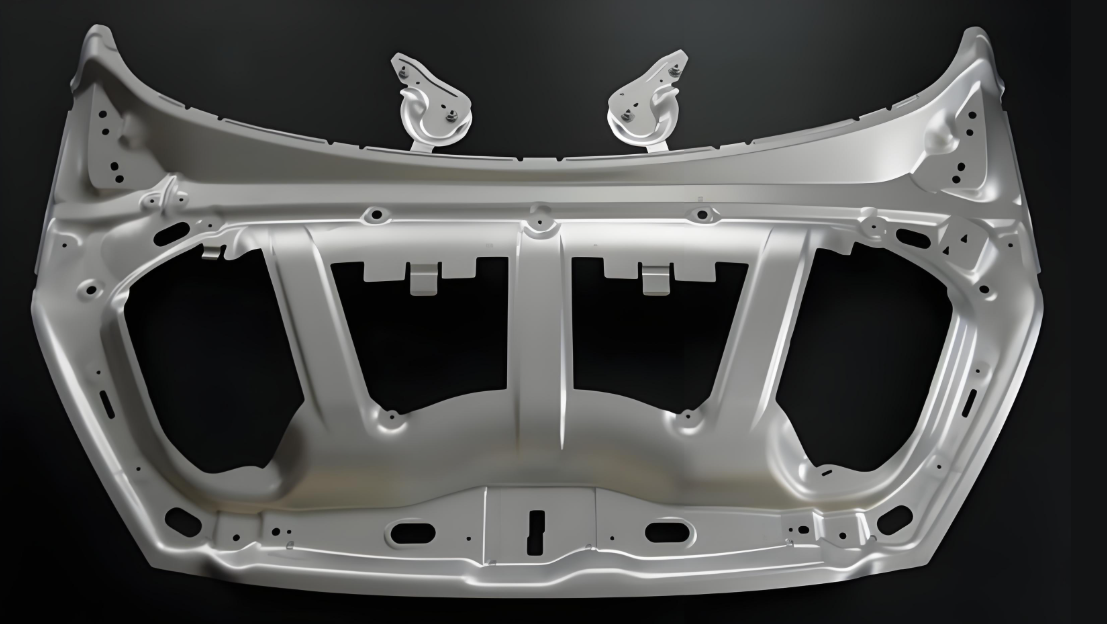
CNC machining can achieve the production of complex internal structures, but there are some limitations and challenges. The following is a description of CNC machining in the production of complex internal structures:
1. Machining capabilities
Multi-axis machining: Modern CNC machines (such as five-axis machines) are able to machine workpieces in multiple directions, which makes complex internal structures (such as holes, slots, and curved surfaces) possible.
Cutting tools: Using cutting tools of different shapes and sizes, complex geometries can be achieved.
2. Limitations and challenges
Tool limitations: The shape and size of the tool limits the internal structures that can be machined. For example, some complex internal shapes may require special tools, increasing costs and machining time.
Accessibility: When the internal structure is deep or complex, tool accessibility may become an issue. Certain areas may not be directly accessible to the tool and need to be designed with this in mind.
Cutting forces and cooling: When machining complex internal structures, the distribution of cutting forces and the effective use of coolant are key. If the cutting area is too narrow, it may cause overheating or tool damage.
Processing sequence: The processing sequence needs to be carefully arranged to ensure that the machined parts are not damaged during the processing. The processing sequence of complex structures may affect time and efficiency.
Material properties: Different materials have different processing characteristics, and some materials may crack or deform when processing complex structures.
3. Solutions
To overcome these limitations, the following measures can be taken:
Optimize design: In the design stage, consider the capabilities and limitations of CNC machining and minimize complex structures that are difficult to process.
Use advanced tools: Use special tools and fixtures to improve the feasibility and accuracy of machining.
Choose the right machine tool: Use high-performance multi-axis CNC machine tools to improve machining flexibility and accuracy.
Test and Iterate: Conduct small-scale trials before production to evaluate the machinability of the design and make adjustments based on feedback.
Summary
CNC machining can achieve the production of internal complex structures, but factors such as tool limitations, accessibility, and material properties should be noted. Through reasonable design and optimization of the machining process, these challenges can be effectively overcome to achieve high-quality complex parts.
3D Printing: Opening a New Era of Manufacturing
Which is better for complex surfaces, 3D printing or CNC machining?
Related Article

This article analyzes the prospects of the custom parts industry from three aspects: market demand, technological innovation, and challenges and opportunities, with specific cases to illustrate its development trends.
Analysis of the Prospects of the Custom Parts Industry
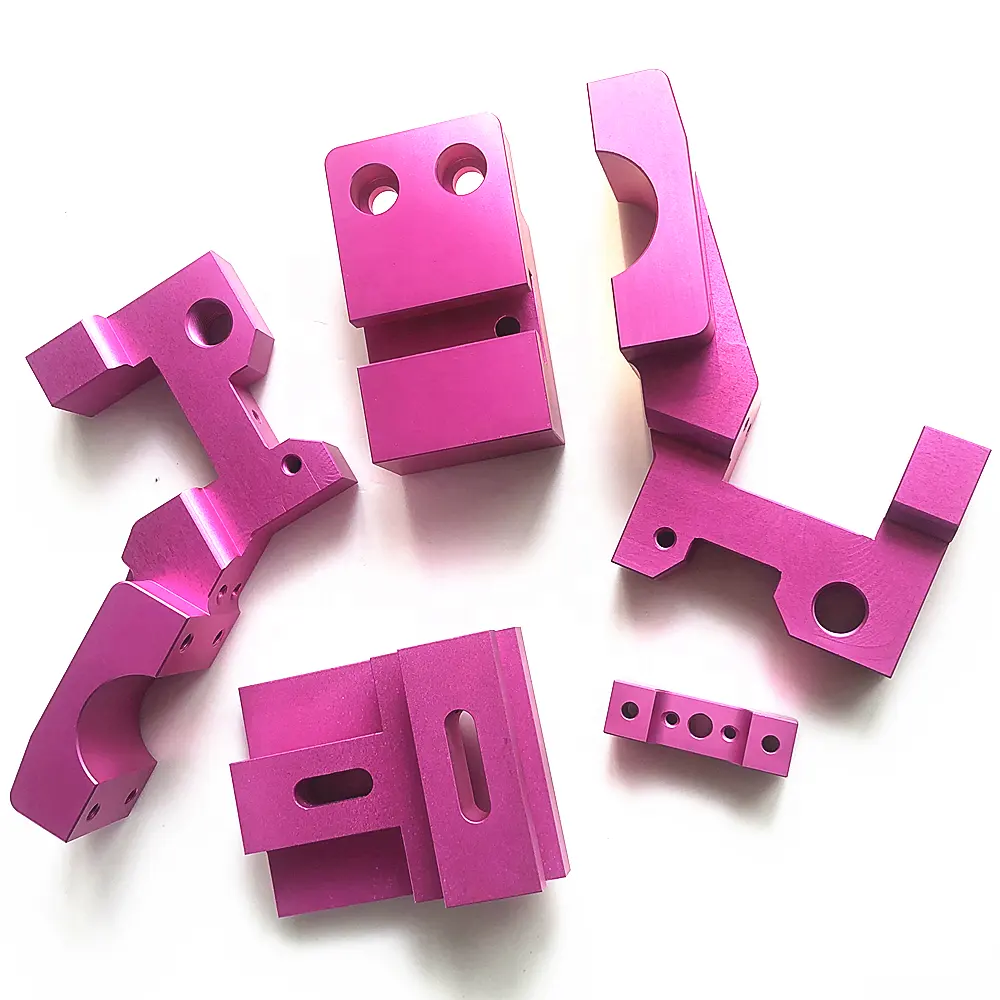
This article details CNC precision technology, covering its definition, applications in aerospace and electronics, advantages like high precision and automation, and its promising future in the manufacturing industry.
CNC Precision Technology: The Core Code of Modern Manufacturing and Its Infinite Potential
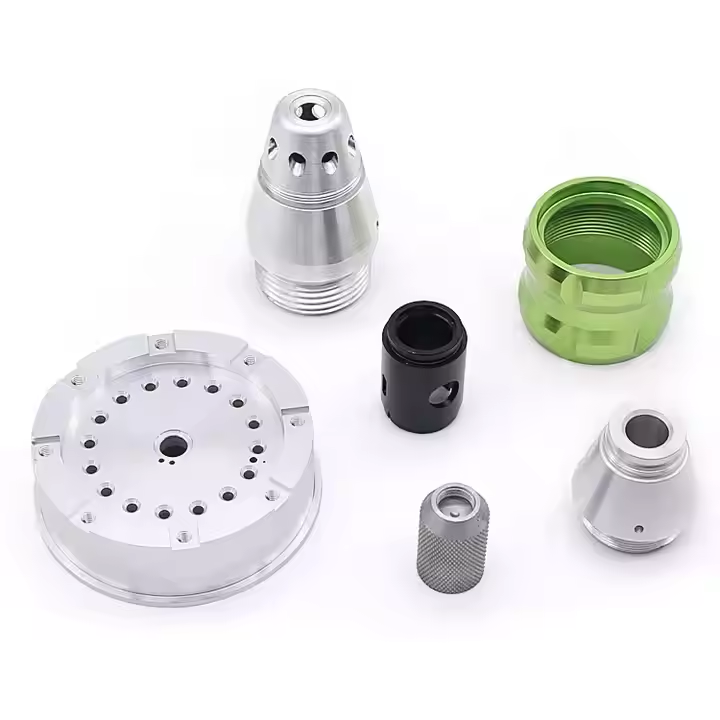
This part focuses on the shipbuilding industry, presenting a case of CNC technology application in the processing of large - scale ship propellers. It showcases how CNC technology addresses challenges in this field, improving processing efficiency and product quality, thus highlighting its significance in ship manufacturing.
CNC Technology Application Cases (Part 2)
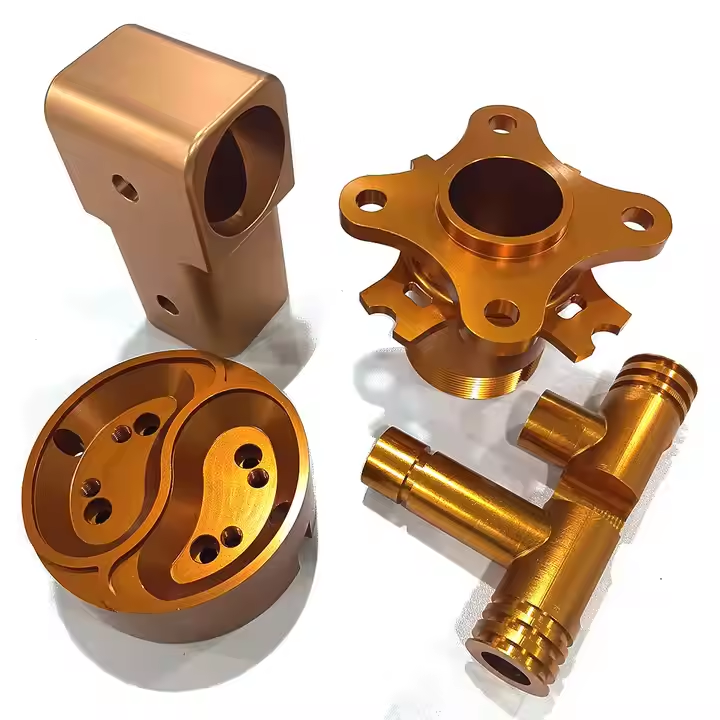
This article focuses on the medical device manufacturing and 3C product manufacturing fields. Through specific cases, it elaborates on the remarkable achievements of CNC technology in manufacturing complex and precise components and improving product quality, demonstrating its crucial role in related industries.
CNC Technology Application Cases (Part 1)