
Appearance Prototype
author: DJ-02
2025-01-13
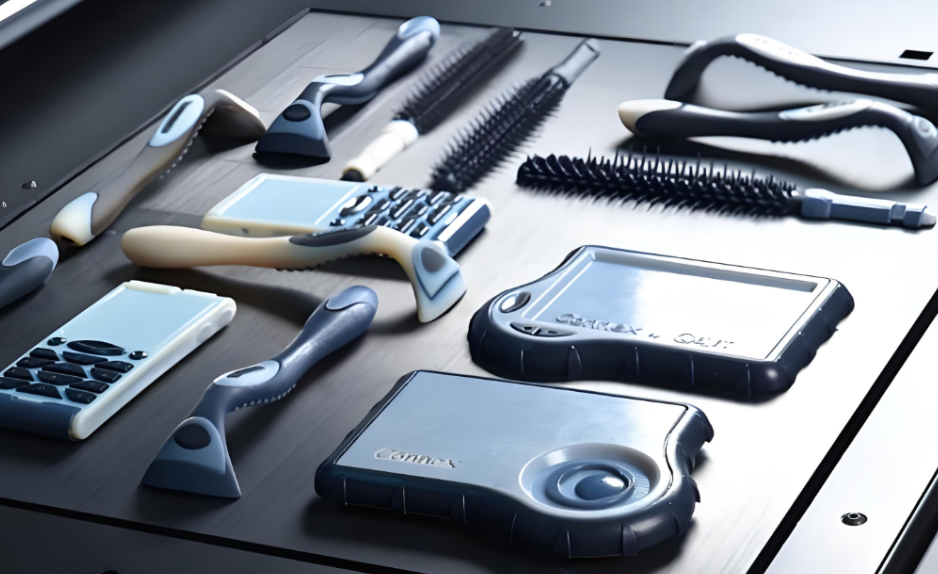
Appearance prototype (also called appearance sample or appearance model) is a physical model used to show the appearance and design of a product during product development. It is usually made before the product is officially mass-produced, with the purpose of helping designers, engineers and customers evaluate the appearance, shape, color and material characteristics of the product. Here are some key points about appearance prototypes:
1. Production materials
Appearance prototypes can be made of a variety of materials, the common ones include:
Plastics: such as ABS, PC, PMMA, etc., often used for rapid prototyping.
Metal: Aluminum alloy or stainless steel is sometimes used to show the metal texture of the product.
Resin: Used for high-precision appearance prototypes, especially when complex shapes and details are required.
2. Production process
There are many production processes for appearance prototypes, the common ones include:
3D printing: fast and flexible, suitable for making prototypes with complex shapes.
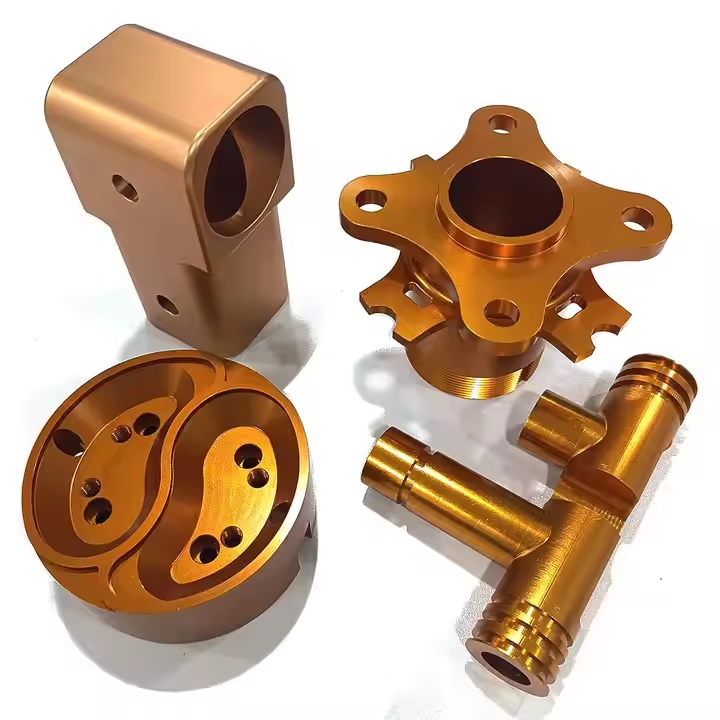
CNC machining: suitable for products that require high precision and surface smoothness.
Mold injection molding: used for mass production of appearance prototypes, which can more realistically restore the final effect of the product.
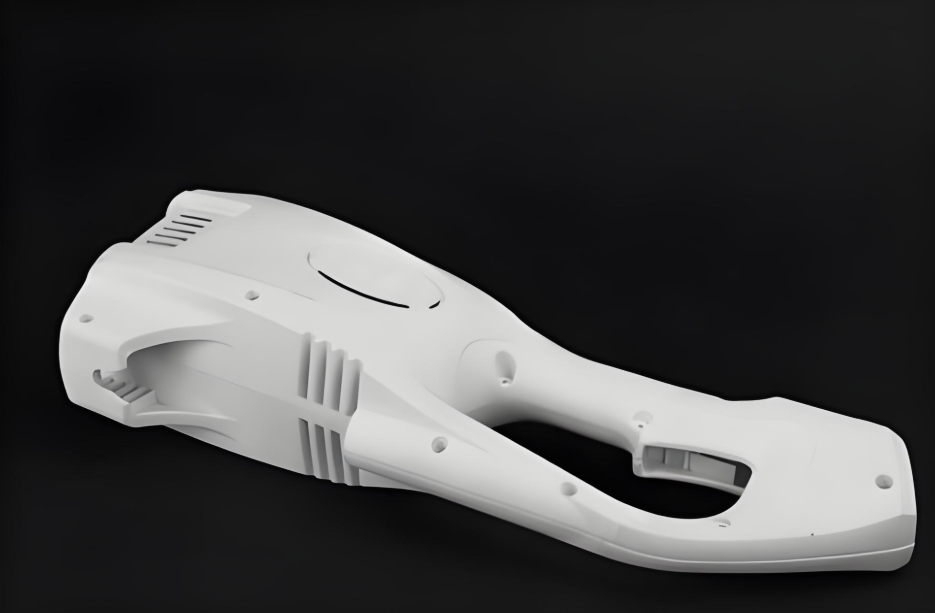
3. Function and purpose
Appearance evaluation: Allows the design team and customers to evaluate the appearance design before the product goes into mass production.
Market testing: Used for market research and user feedback to help optimize the design.
Display and promotion: Used to display products at product launches, exhibitions, and sales events.
4. Features of appearance prototypes
High fidelity: Appearance prototypes should be as close to the appearance of the final mass-produced product as possible.
Color and texture: The color and texture of the actual material should be taken into account to accurately display the visual effect of the product.
Operability: Some appearance prototypes are designed to be operable samples to demonstrate their functionality.
5. Application areas
Appearance prototypes are widely used in multiple industries, including:
Consumer electronics: Appearance design verification of products such as mobile phones and computers.
Automotive industry: Production and evaluation of automotive appearance samples.
Home appliances: Appearance design and market feedback of home appliances.
Medical devices: Appearance and user experience evaluation of medical devices.
Summary
Appearance prototypes play an important role in the product development process, helping the team to conduct design verification and market evaluation before formal production. By rationally selecting materials and production processes, high-quality appearance prototypes can be produced to ensure that the final product can meet market demand and user expectations.
Which is better for complex surfaces, 3D printing or CNC machining?
Unlocking the Treasure House of 3D Printing
Related Article

This article analyzes the prospects of the custom parts industry from three aspects: market demand, technological innovation, and challenges and opportunities, with specific cases to illustrate its development trends.
Analysis of the Prospects of the Custom Parts Industry
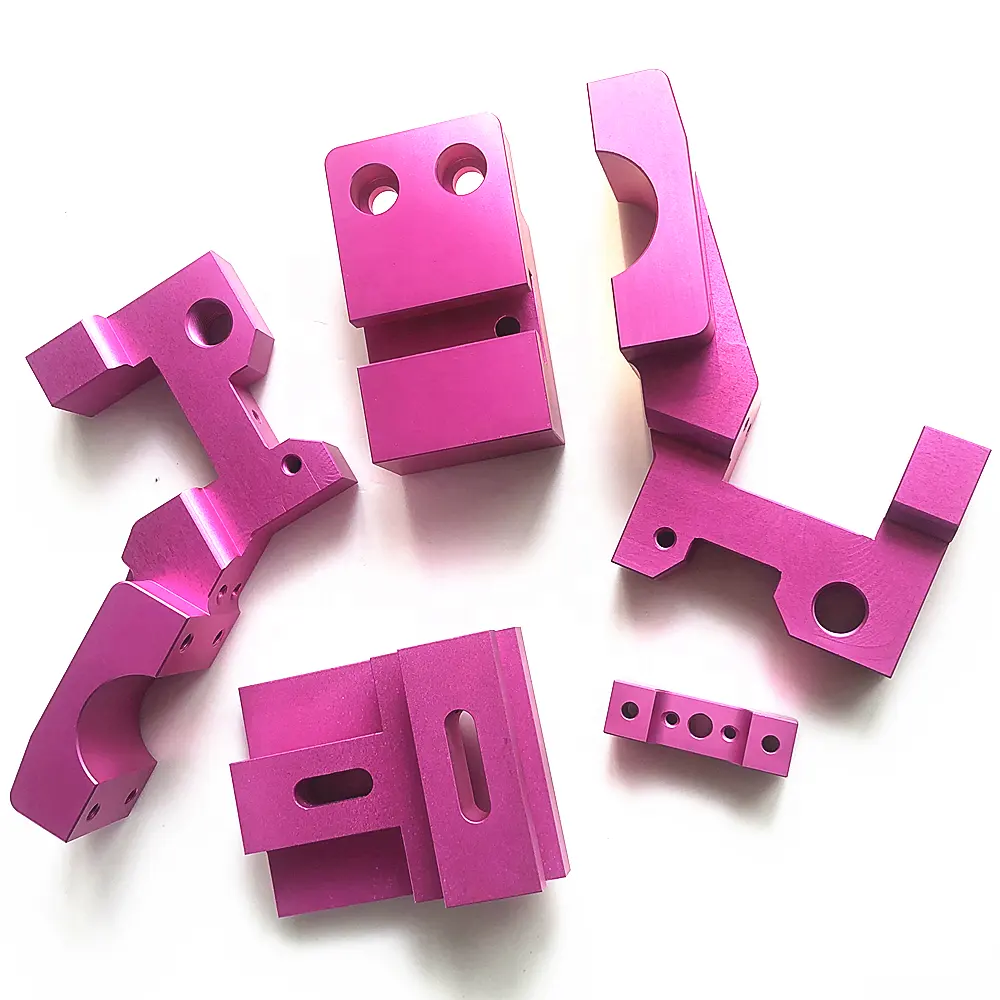
This article details CNC precision technology, covering its definition, applications in aerospace and electronics, advantages like high precision and automation, and its promising future in the manufacturing industry.
CNC Precision Technology: The Core Code of Modern Manufacturing and Its Infinite Potential
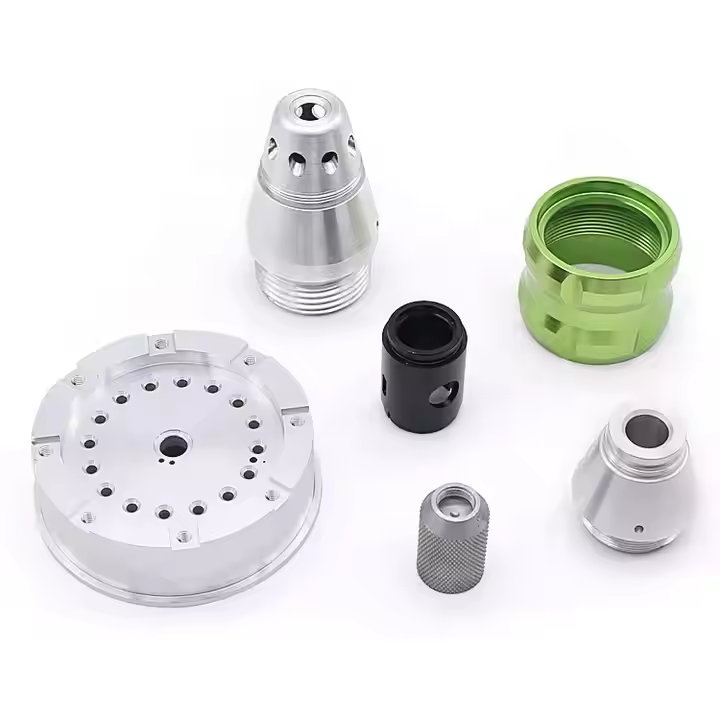
This part focuses on the shipbuilding industry, presenting a case of CNC technology application in the processing of large - scale ship propellers. It showcases how CNC technology addresses challenges in this field, improving processing efficiency and product quality, thus highlighting its significance in ship manufacturing.
CNC Technology Application Cases (Part 2)
This article focuses on the medical device manufacturing and 3C product manufacturing fields. Through specific cases, it elaborates on the remarkable achievements of CNC technology in manufacturing complex and precise components and improving product quality, demonstrating its crucial role in related industries.
CNC Technology Application Cases (Part 1)