
What metal materials are suitable for anodizing?
author: DJ-04
2024-12-09
What metal materials are suitable for anodizing?

Aluminum:
Anodizing is most commonly used for aluminum and its alloys. Anodizing can form a solid oxide layer to improve the corrosion resistance, wear resistance and appearance quality of aluminum materials. In addition, anodizing can change the color of aluminum parts and make them more decorative.
Magnesium:
Magnesium materials can also be anodized to improve corrosion resistance and surface hardness. Anodized magnesium parts have better corrosion resistance and appearance.
Titanium:
Titanium materials can also be anodized in certain applications. Anodizing can improve the corrosion resistance, hardness and decorative properties of titanium alloys.
Nickel:
Nickel and its alloys can be anodized to improve corrosion resistance and appearance quality. Anodized nickel parts generally have better corrosion resistance and decorative properties.
Zinc:
Zinc can be anodized to improve corrosion resistance and appearance quality. Anodized zinc parts are generally more durable and have a better appearance.
Iron:
Iron itself is not suitable for direct anodizing, but a similar effect can be achieved by coating the iron with other metals or alloys (such as nickel-chromium alloys).
Copper:
Copper can also be anodized to improve corrosion resistance and surface hardness. Generally, anodized copper parts have better resistance to oxidation.
Tin (tin):
Tin can be anodized to improve surface properties and increase corrosion resistance and hardness.
Anodizing is suitable for many metals, but the treatment method and results vary from metal to metal. When selecting a metal for anodizing, you must consider the metal's properties, the effect of the treatment, and the final performance and appearance desired.
Recent Advances and Applications of Electrical Discharge Machining (EDM)
Innovations and Developments in Prototype Manufacturing
Related Article

This article analyzes the prospects of the custom parts industry from three aspects: market demand, technological innovation, and challenges and opportunities, with specific cases to illustrate its development trends.
Analysis of the Prospects of the Custom Parts Industry
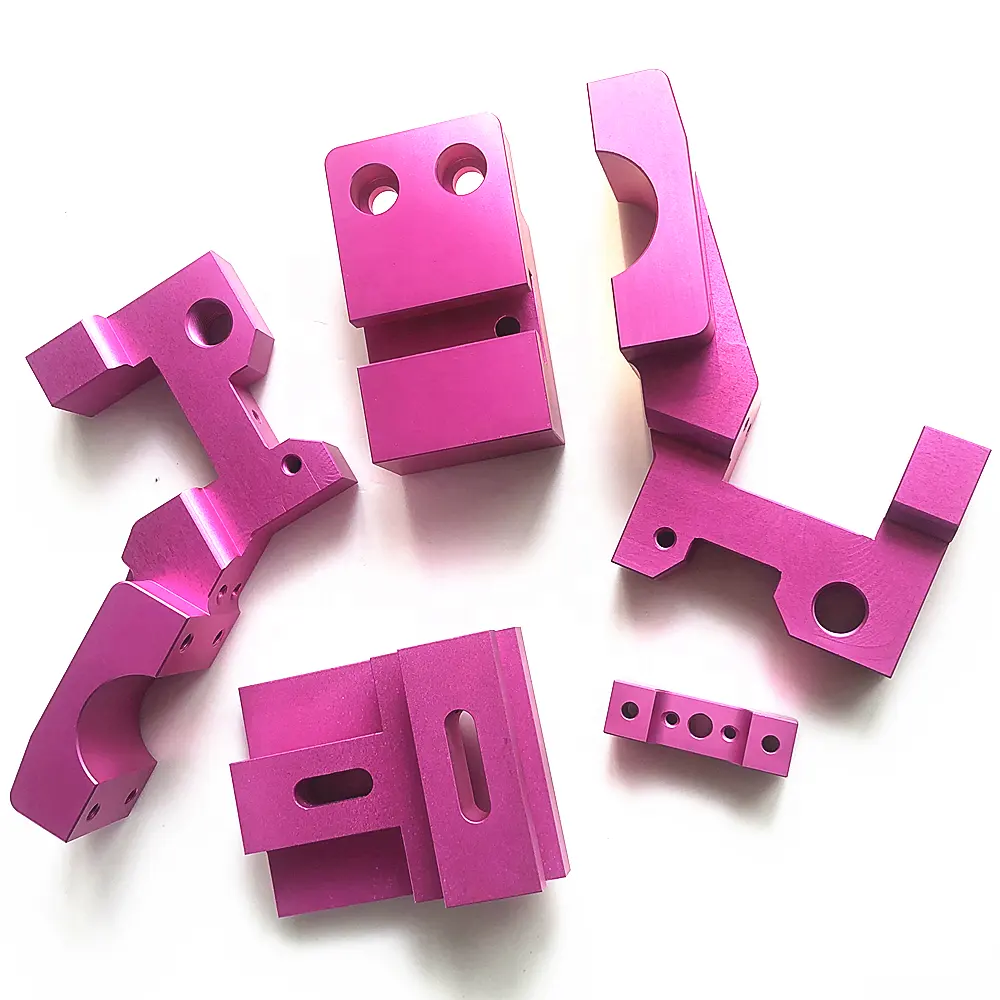
This article details CNC precision technology, covering its definition, applications in aerospace and electronics, advantages like high precision and automation, and its promising future in the manufacturing industry.
CNC Precision Technology: The Core Code of Modern Manufacturing and Its Infinite Potential
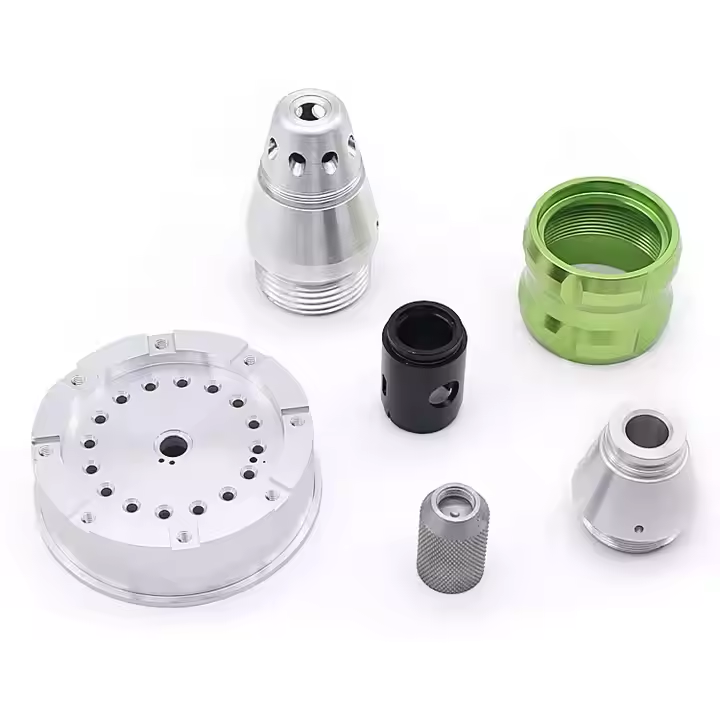
This part focuses on the shipbuilding industry, presenting a case of CNC technology application in the processing of large - scale ship propellers. It showcases how CNC technology addresses challenges in this field, improving processing efficiency and product quality, thus highlighting its significance in ship manufacturing.
CNC Technology Application Cases (Part 2)
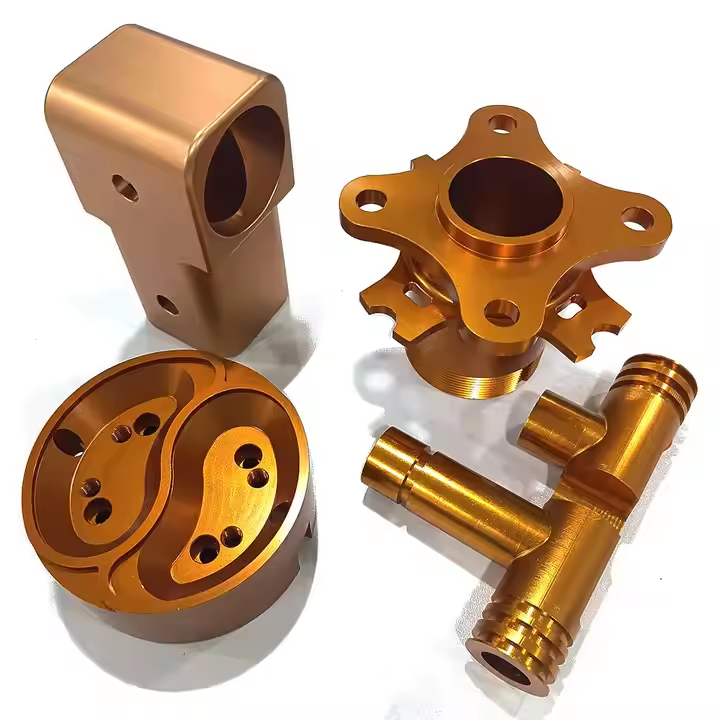
This article focuses on the medical device manufacturing and 3C product manufacturing fields. Through specific cases, it elaborates on the remarkable achievements of CNC technology in manufacturing complex and precise components and improving product quality, demonstrating its crucial role in related industries.
CNC Technology Application Cases (Part 1)