
How to divide CNC processing procedures?
author: DJ-02
2024-10-17
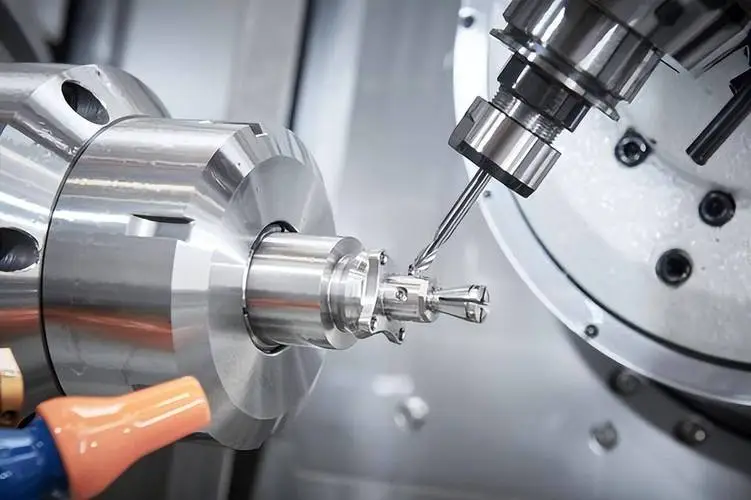
The division of CNC machining processes can generally be carried out in the following ways:
1. The centralized tool sorting method is to divide the processes according to the tools used, and use the same tool to CNC process all the parts that can be completed on the parts. Then use the second and third tools to complete the other parts that they can complete. This can reduce the number of tool changes, compress idle time, and reduce unnecessary positioning errors.
2. For parts with a lot of CNC machining content, the machining parts can be divided into several parts according to their structural characteristics, such as internal shape, external shape, curved surface or plane. Generally, the plane and positioning surface are processed first, and then the hole; simple geometric shapes are processed first, and then complex geometric shapes; parts with lower precision are processed first, and then parts with higher precision requirements.
3. For parts that are prone to CNC machining deformation, due to the deformation that may occur after rough machining, correction is required. Therefore, generally speaking, all rough and fine machining must separate the processes. In summary, when dividing the process, we must flexibly grasp it according to the structure and processability of the parts, the function of the machine tool, the amount of CNC processing content of the parts, the number of installations and the production organization status of the unit. It is also recommended to adopt the principle of process concentration or the principle of process dispersion, which should be determined according to the actual situation, but it must be reasonable.
Advantages and Application areas of 5-Axis Machining
Surface treatment technology——radium carving
Related Article

This article analyzes the prospects of the custom parts industry from three aspects: market demand, technological innovation, and challenges and opportunities, with specific cases to illustrate its development trends.
Analysis of the Prospects of the Custom Parts Industry
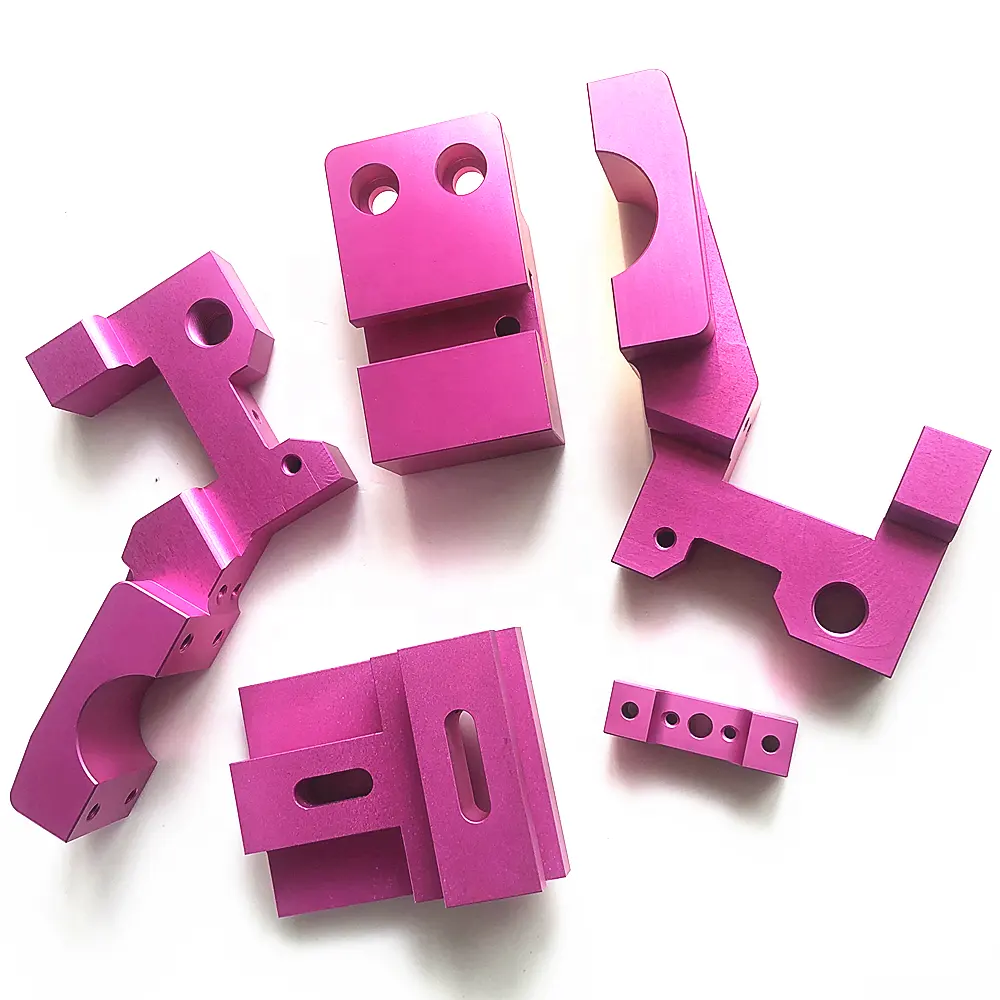
This article details CNC precision technology, covering its definition, applications in aerospace and electronics, advantages like high precision and automation, and its promising future in the manufacturing industry.
CNC Precision Technology: The Core Code of Modern Manufacturing and Its Infinite Potential
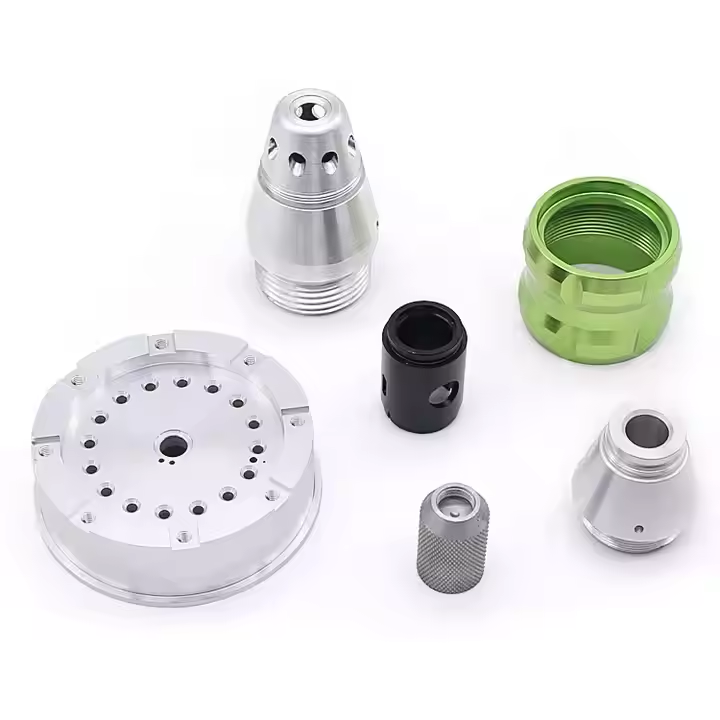
This part focuses on the shipbuilding industry, presenting a case of CNC technology application in the processing of large - scale ship propellers. It showcases how CNC technology addresses challenges in this field, improving processing efficiency and product quality, thus highlighting its significance in ship manufacturing.
CNC Technology Application Cases (Part 2)
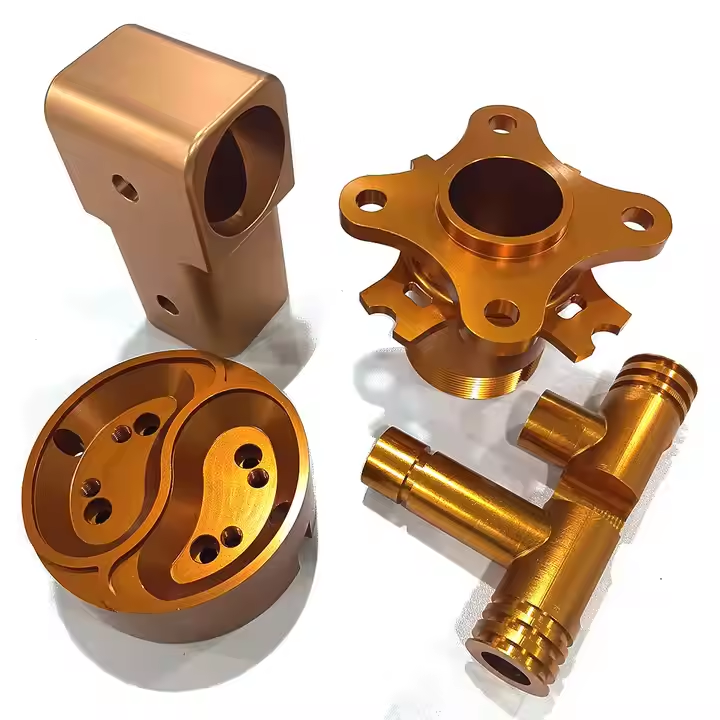
This article focuses on the medical device manufacturing and 3C product manufacturing fields. Through specific cases, it elaborates on the remarkable achievements of CNC technology in manufacturing complex and precise components and improving product quality, demonstrating its crucial role in related industries.
CNC Technology Application Cases (Part 1)