
Latest developments in the CNC machining industry
author: DJ-02
2024-10-21
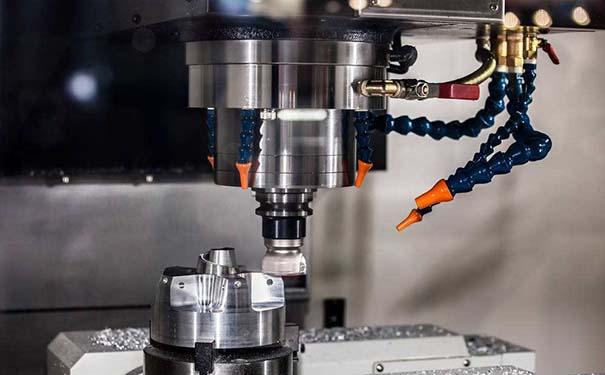
Technological innovation and automation
With the rise of intelligent manufacturing, the automation level of CNC machining technology has continued to improve. Modern CNC machine tools are equipped with advanced sensors and AI algorithms, which greatly improves machining accuracy and efficiency. Not only that, the integration of automation systems reduces manual intervention and improves the continuity and stability of the production line.
Material diversification
The trend of diversification of CNC machining materials is obvious. Traditional metal materials such as aluminum and steel are still the mainstream, but composite materials, ceramics and high-performance plastics are gradually becoming the focus of attention. The application of these new materials has broadened the application areas of CNC machining, such as high-tech industries such as aerospace and medical devices.
Environmental protection and sustainable development
With the increase of global environmental awareness, the CNC machining industry is also actively seeking a path to sustainable development. New coolants and lubricants are being developed to reduce environmental pollution, while waste recovery and recycling technologies are also constantly improving. These measures not only reduce environmental impact, but also optimize production costs.
Market demand and challenges
The increasing global demand for customized products has made CNC machining services more diversified. Personalization and small batch production have become a trend. However, the industry also faces challenges, such as fluctuations in raw material prices and shortages of technical talents, and companies need to continue to innovate to remain competitive.
Future Outlook
Looking to the future, the CNC processing industry will continue to develop in the direction of intelligence and greening. Through deep integration with the Internet of Things and big data, CNC processing will achieve more efficient production and more precise quality control, and promote the digital transformation of the entire manufacturing industry.
In short, the CNC processing industry is undergoing a profound change driven by both technological progress and market demand. Enterprises need to seize opportunities and actively respond to challenges in order to remain invincible in the fierce market competition.
Exploring the Excellent Performance and Wide Range of Uses of Acrylic Materials
Carbon Fiber Materials: Detailed Explanation of Characteristics and Production Processes
Related Article

This article analyzes the prospects of the custom parts industry from three aspects: market demand, technological innovation, and challenges and opportunities, with specific cases to illustrate its development trends.
Analysis of the Prospects of the Custom Parts Industry
This article details CNC precision technology, covering its definition, applications in aerospace and electronics, advantages like high precision and automation, and its promising future in the manufacturing industry.
CNC Precision Technology: The Core Code of Modern Manufacturing and Its Infinite Potential

This part focuses on the shipbuilding industry, presenting a case of CNC technology application in the processing of large - scale ship propellers. It showcases how CNC technology addresses challenges in this field, improving processing efficiency and product quality, thus highlighting its significance in ship manufacturing.
CNC Technology Application Cases (Part 2)

This article focuses on the medical device manufacturing and 3C product manufacturing fields. Through specific cases, it elaborates on the remarkable achievements of CNC technology in manufacturing complex and precise components and improving product quality, demonstrating its crucial role in related industries.
CNC Technology Application Cases (Part 1)