
Examples of laser cutting integrated with other technologies
author: DJ-02
2024-10-31
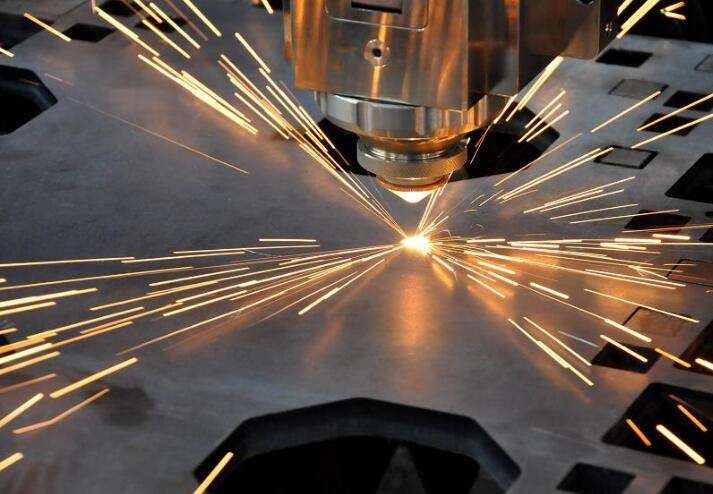
Laser cutting and welding
Example: In automotive manufacturing, laser cutting can be used to precisely cut body parts, which are then efficiently joined together using laser welding technology. This integration improves production efficiency and component accuracy.
Laser cutting and stamping
Example: Some metal processing companies combine laser cutting with stamping technology, first forming complex contours through laser cutting, and then using stamping technology to form them. This combination is suitable for large-scale production and complex-shaped parts.
Laser cutting and 3D printing
Example: In the aerospace field, laser cutting is used to cut metal sheets for lightweight structures, while 3D printing is used to manufacture complex built-in components. This combination can optimize material use and improve overall design flexibility.
Laser cutting and surface treatment
Example: After laser cutting, the surface of the part often needs to be treated. By integrating laser cutting with surface treatment technologies (such as laser spraying or laser cleaning), cutting and surface treatment can be completed on the same production line, improving efficiency.
Laser cutting and automation system
Example: In an efficient production environment, the laser cutting machine can be connected to the automated conveying system to achieve automatic material supply and automatic handling of finished products. This integration reduces manual intervention and improves the overall efficiency of the production line.
Laser cutting and information technology
Example: In intelligent manufacturing, laser cutting equipment can be connected to the industrial cloud platform to optimize the production process through data collection and analysis, monitor equipment status in real time, and predict maintenance needs.
These integrated applications not only improve production efficiency, but also improve product quality, and promote the intelligentization and modernization of the manufacturing industry.
Aluminum Alloy Parts: Advantages and Challenges
A Comprehensive Analysis of Tapping Process
Related Article

This article analyzes the prospects of the custom parts industry from three aspects: market demand, technological innovation, and challenges and opportunities, with specific cases to illustrate its development trends.
Analysis of the Prospects of the Custom Parts Industry
This article details CNC precision technology, covering its definition, applications in aerospace and electronics, advantages like high precision and automation, and its promising future in the manufacturing industry.
CNC Precision Technology: The Core Code of Modern Manufacturing and Its Infinite Potential
This part focuses on the shipbuilding industry, presenting a case of CNC technology application in the processing of large - scale ship propellers. It showcases how CNC technology addresses challenges in this field, improving processing efficiency and product quality, thus highlighting its significance in ship manufacturing.
CNC Technology Application Cases (Part 2)
This article focuses on the medical device manufacturing and 3C product manufacturing fields. Through specific cases, it elaborates on the remarkable achievements of CNC technology in manufacturing complex and precise components and improving product quality, demonstrating its crucial role in related industries.
CNC Technology Application Cases (Part 1)