
How does the selection of cutting tools impact the effectiveness of adaptive toolpaths?
author: DJ-02
2024-12-24
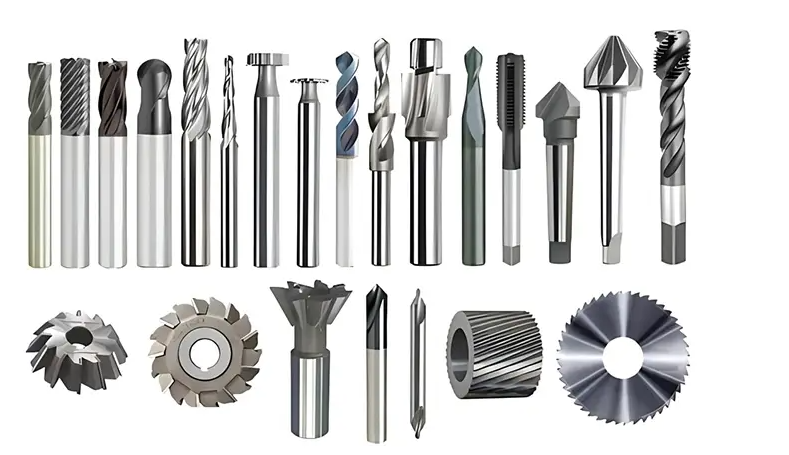
The selection of cutting tools plays a critical role in the effectiveness of adaptive toolpaths in CNC machining. Here are several ways in which cutting tool selection impacts performance:
1.Tool Geometry:
Impact: The shape and design of the cutting tool (e.g., end mill, ball nose, etc.) affect how well it can adapt to different geometries and engage with the material.
Consideration: Tools with optimized geometries (such as tapered or corner radius) can improve surface finishes and reduce cutting forces.
2.Coating and Material:
Impact: Tool coatings (like TiN, TiAlN) enhance wear resistance and reduce friction, allowing for better performance in adaptive machining scenarios.
Consideration: Choosing the right tool material (carbide, high-speed steel, etc.) based on the workpiece material is crucial for maintaining tool integrity and performance.
3.Diameter and Length:
Impact: The diameter of the tool affects the step-over and engagement with the material. Larger tools can remove more material but may not access tight areas effectively.
Consideration: Using a combination of tool sizes can optimize material removal while ensuring adaptability to complex shapes.
4.Flute Design:
Impact: The number of flutes and their design influence chip removal efficiency and cooling. More flutes can improve finish but may hinder chip evacuation in deeper cuts.
Consideration: Selecting tools with the appropriate flute design based on the cutting strategy can enhance performance.
5.Cutting Edge Configuration:
Impact: Tools with sharper edges or specialized geometries can improve cutting efficiency, especially in adaptive strategies that rely on consistent engagement.
Consideration: Rounded edges can reduce chipping and improve surface finish, while sharper edges enhance cutting speed.
6.Tool Life and Wear Resistance:
Impact: Choosing tools designed for long life and reduced wear is essential for maintaining consistent machining performance during adaptive processes.
Consideration: Regular monitoring and timely replacement of worn tools are crucial for maintaining quality and efficiency.
7.Cooling and Lubrication:
Impact: The ability of the cutting tool to effectively dissipate heat can influence its performance during adaptive machining.
Consideration: Selecting tools that facilitate cooling (such as through-tool coolant options) can enhance both tool life and surface finish.
8.Compatibility with Adaptive Strategies:
Impact: Some tools are specifically designed to work with adaptive machining strategies, allowing for smoother transitions and better engagement.
Consideration: Using tools optimized for specific adaptive toolpaths can lead to improved efficiency and surface quality.
In summary, the right selection of cutting tools enhances the effectiveness of adaptive toolpaths by optimizing material removal rates, improving surface finishes, and extending tool life. Careful consideration of tool geometry, material, coating, and cooling strategies is essential to maximize the benefits of adaptive machining.
What specific tool geometries are best for 5-axis adaptive toolpaths?
What are some advanced techniques for improving surface finish?
Related Article

This article analyzes the prospects of the custom parts industry from three aspects: market demand, technological innovation, and challenges and opportunities, with specific cases to illustrate its development trends.
Analysis of the Prospects of the Custom Parts Industry
This article details CNC precision technology, covering its definition, applications in aerospace and electronics, advantages like high precision and automation, and its promising future in the manufacturing industry.
CNC Precision Technology: The Core Code of Modern Manufacturing and Its Infinite Potential
This part focuses on the shipbuilding industry, presenting a case of CNC technology application in the processing of large - scale ship propellers. It showcases how CNC technology addresses challenges in this field, improving processing efficiency and product quality, thus highlighting its significance in ship manufacturing.
CNC Technology Application Cases (Part 2)
This article focuses on the medical device manufacturing and 3C product manufacturing fields. Through specific cases, it elaborates on the remarkable achievements of CNC technology in manufacturing complex and precise components and improving product quality, demonstrating its crucial role in related industries.
CNC Technology Application Cases (Part 1)