
Commonly Used Materials in CNC Machining
author: DJ-04
2024-10-14
In the CNC machining industry, the selection of materials is important because the properties of different materials directly affect the machining quality and the performance of the finished product. Below are some commonly used materials in CNC machining and their properties and applications.
Metallic materials
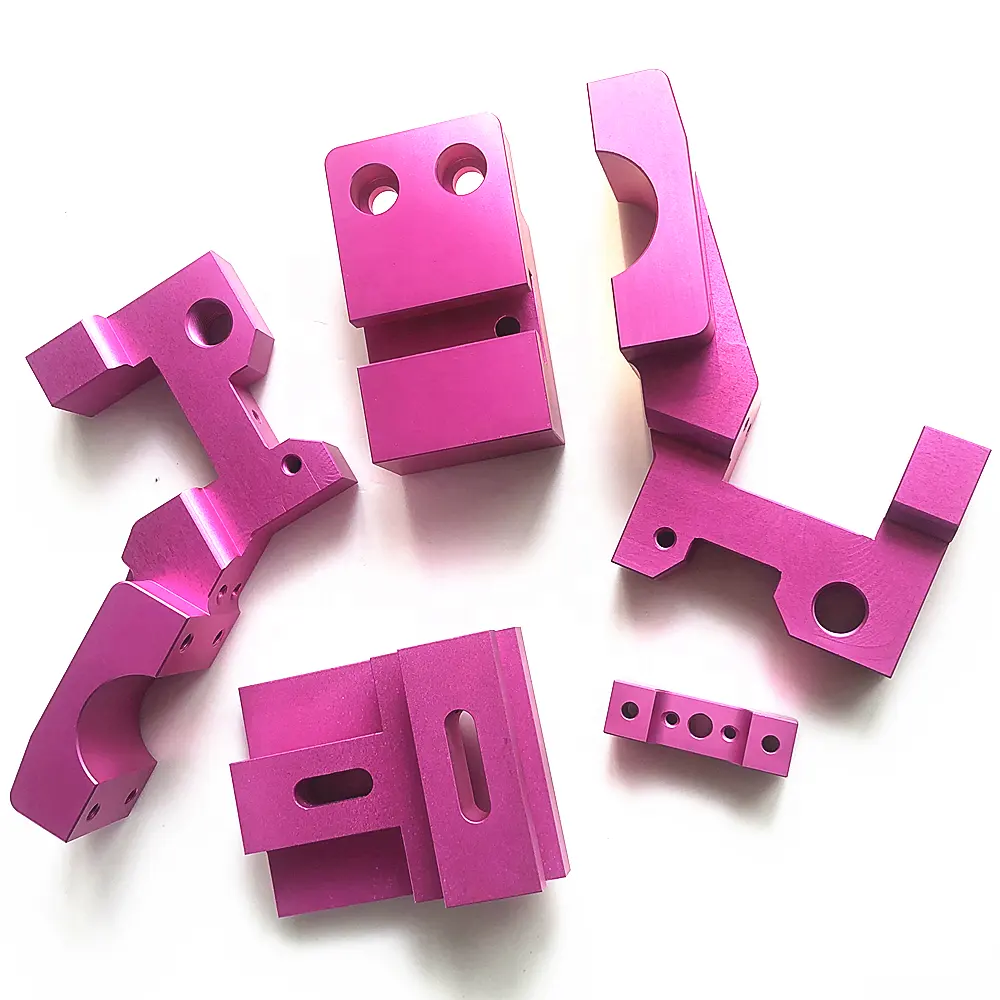
1.Aluminum alloys
Characteristics: Light weight, strong, corrosion resistant, high thermal conductivity.
Applications: Widely used in aerospace, automobiles, home appliances, medical equipment and other fields.

2.Stainless steels
Characteristics: Corrosion resistance, high strength, high temperature resistance.
Applications: Often used in medical equipment, food processing machinery, auto parts, construction machinery.

3.Titanium alloys
Characteristics: High strength-to-weight ratio, corrosion resistance, high temperature resistance.
Applications: Mainly used in aerospace, medical implants, high performance auto parts.

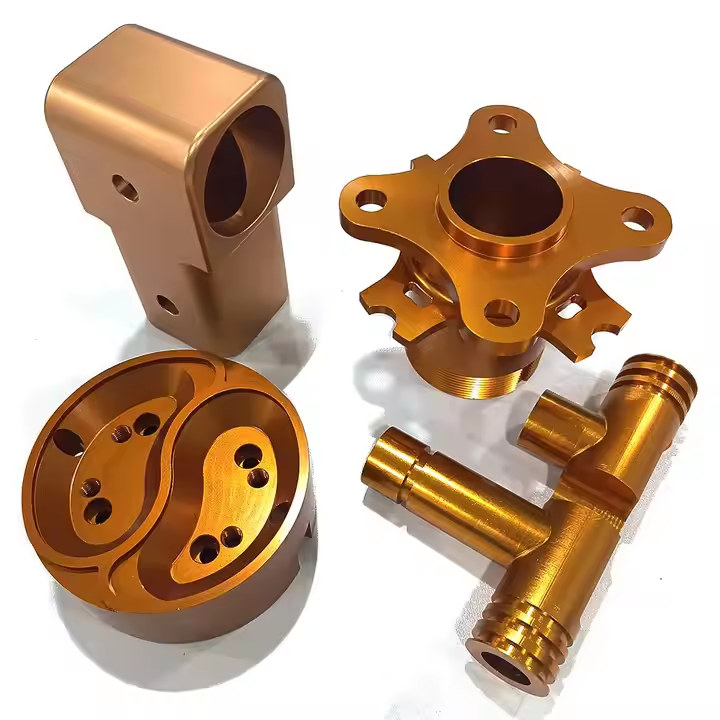
4.Copper
Characteristics: Excellent electrical and thermal conductivity, good ductility.
Applications: Suitable for electrical connectors, radiators, sensor housings, etc.

5.Brass
Characteristics: Good workability, corrosion resistance.
Applications: Used for decoration, musical instruments, plumbing fixtures, etc.
6.Carbon and alloy steels
Characteristics: High strength, good workability.
Applications: Widely used for mechanical fasteners and structural parts.
Non-metallic materials
1.Nylon
Characteristics: High strength, wear resistance, high temperature and chemical corrosion resistance.
Applications: Suitable for complex parts in the automotive, aerospace and medical industries.
2.ABS (Acrylonitrile Butadiene Styrene)
Characteristics: Good strength and impact resistance.
Applications: Used in the manufacture of toys, electronic products and other household items.
3.PMMA (Acrylic)
Characteristics: High impact resistance, optical transparency.
Applications: Used for signs, displays, lighting fixtures, etc.
4.PEEK (Polyether Ether Ketone)
Characteristics: High temperature resistance, chemical resistance, good mechanical properties.
Applications: Suitable for precision products in high temperature and corrosive environments.
Other materials
1.Magnesium: Lightweight and strong, suitable for aerospace and other fields.
2.Zinc alloys, nickel alloys, tungsten alloys, etc. are also used in certain applications.
Summary
Many types of materials are used in the CNC machining industry, and the properties and application fields of different materials are different. Choosing the right material is important to ensure the processing quality and performance of the finished product.
What are the four key points of prototype making?
What are the stages in the CNC machining process?
Related Article

This article analyzes the prospects of the custom parts industry from three aspects: market demand, technological innovation, and challenges and opportunities, with specific cases to illustrate its development trends.
Analysis of the Prospects of the Custom Parts Industry
This article details CNC precision technology, covering its definition, applications in aerospace and electronics, advantages like high precision and automation, and its promising future in the manufacturing industry.
CNC Precision Technology: The Core Code of Modern Manufacturing and Its Infinite Potential
This part focuses on the shipbuilding industry, presenting a case of CNC technology application in the processing of large - scale ship propellers. It showcases how CNC technology addresses challenges in this field, improving processing efficiency and product quality, thus highlighting its significance in ship manufacturing.
CNC Technology Application Cases (Part 2)
This article focuses on the medical device manufacturing and 3C product manufacturing fields. Through specific cases, it elaborates on the remarkable achievements of CNC technology in manufacturing complex and precise components and improving product quality, demonstrating its crucial role in related industries.
CNC Technology Application Cases (Part 1)