
Specific process of chemical deburring
author: DJ-02
2024-12-24

Chemical deburring is a process that uses chemical reactions to remove burrs from the surface of a workpiece. It is suitable for metal materials, especially those with complex shapes or difficult-to-access areas. The following is the specific process of chemical deburring:
1. Preparation
Choose the appropriate cleaning agent: Choose the appropriate chemical cleaning agent according to the workpiece material and burr type. Commonly used are acidic cleaning agents (such as hydrochloric acid, sulfuric acid) and alkaline cleaning agents (such as sodium hydroxide).
Safety protection: Operators need to wear protective clothing, gloves, goggles, etc. to prevent chemicals from causing damage to the skin and eyes.
2. Pre-cleaning treatment
Surface cleaning: Before chemical deburring, clean the oil and impurities on the surface of the workpiece with clean water or solvent to improve the effect of chemical deburring.
3. Soak the workpiece
Soaking time: Immerse the workpiece in the pre-configured chemical cleaning agent. The soaking time depends on the material and burr situation, usually ranging from a few minutes to tens of minutes.
Temperature control: According to the properties of the cleaning agent, the cleaning agent is appropriately heated to increase the reaction rate, usually kept between 40℃ and 60℃.
4. Monitor the reaction
Observe the reaction: During the soaking process, regularly check the burr removal on the workpiece surface to ensure the effectiveness of the cleaning agent.
5. Cleaning and neutralization
Remove the workpiece: After soaking, remove the workpiece and rinse it thoroughly with clean water to remove residual chemicals.
Neutralization treatment: For workpieces using acidic cleaning agents, alkaline solutions can be used for neutralization to prevent material corrosion.
6. Drying
Drying the workpiece: Dry the cleaned workpiece with a clean cloth or air drying equipment to prevent moisture from causing secondary corrosion to the workpiece.
Aluminum Alloy Parts
Blue Oxidation: Properties, Preparation and Diverse Applications
Related Article

This article analyzes the prospects of the custom parts industry from three aspects: market demand, technological innovation, and challenges and opportunities, with specific cases to illustrate its development trends.
Analysis of the Prospects of the Custom Parts Industry
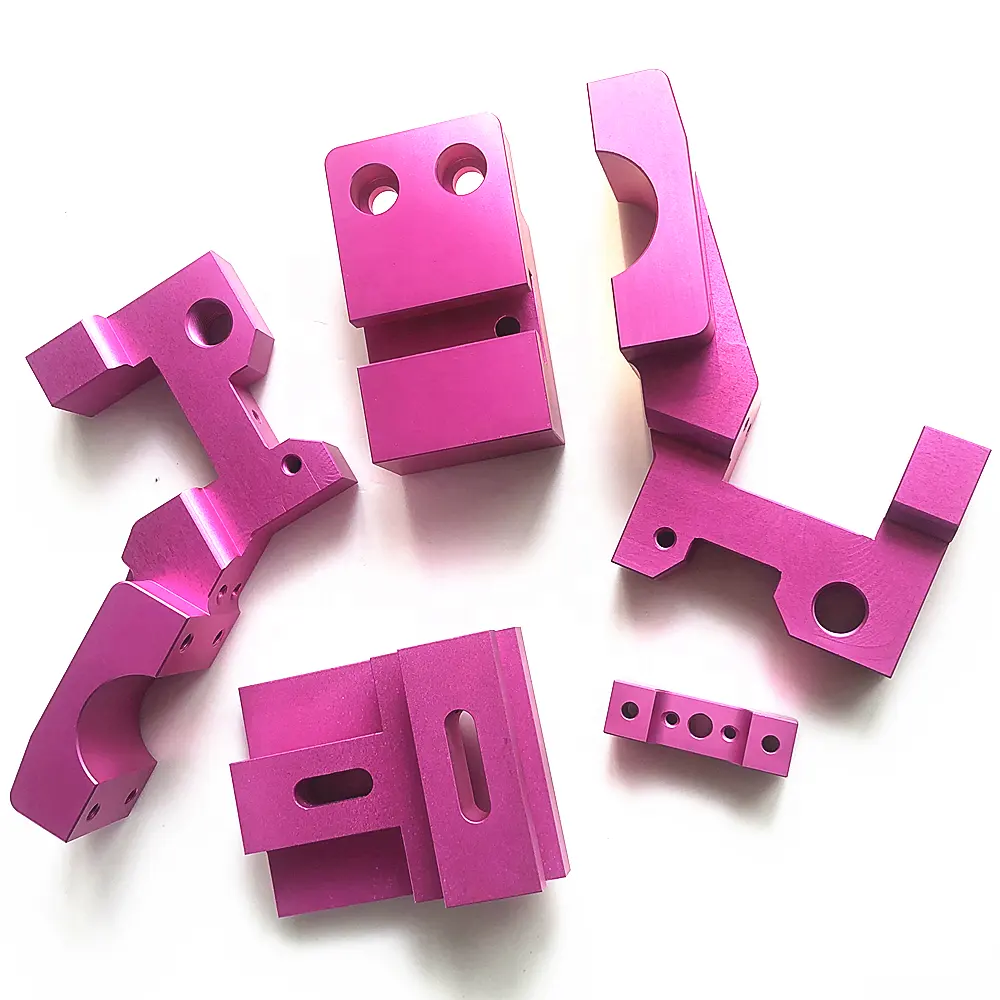
This article details CNC precision technology, covering its definition, applications in aerospace and electronics, advantages like high precision and automation, and its promising future in the manufacturing industry.
CNC Precision Technology: The Core Code of Modern Manufacturing and Its Infinite Potential
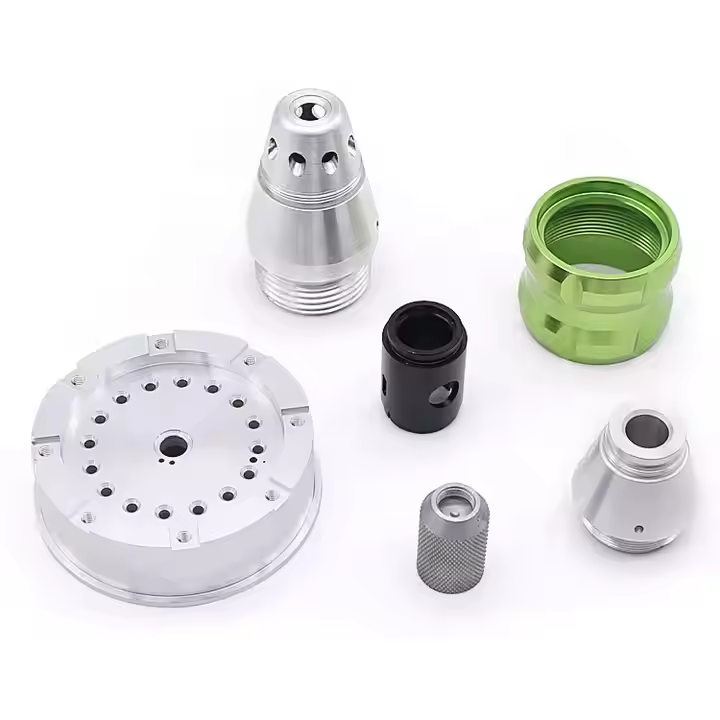
This part focuses on the shipbuilding industry, presenting a case of CNC technology application in the processing of large - scale ship propellers. It showcases how CNC technology addresses challenges in this field, improving processing efficiency and product quality, thus highlighting its significance in ship manufacturing.
CNC Technology Application Cases (Part 2)
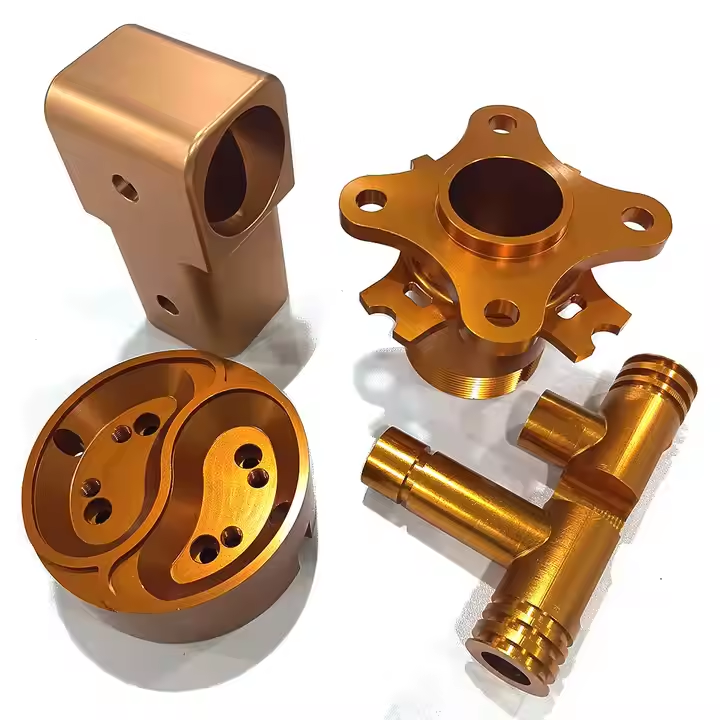
This article focuses on the medical device manufacturing and 3C product manufacturing fields. Through specific cases, it elaborates on the remarkable achievements of CNC technology in manufacturing complex and precise components and improving product quality, demonstrating its crucial role in related industries.
CNC Technology Application Cases (Part 1)