
Several common methods of making prototypes
author: DJ-04
2024-12-02
Several common methods of making prototypes
Creating prototypes is important in product development to test and validate design concepts before full-scale production.
1. Rapid Prototyping:
3D printing: 3D printing technology can be used to quickly produce a prototype with a complex structure, which is suitable for rapid verification of design concepts.
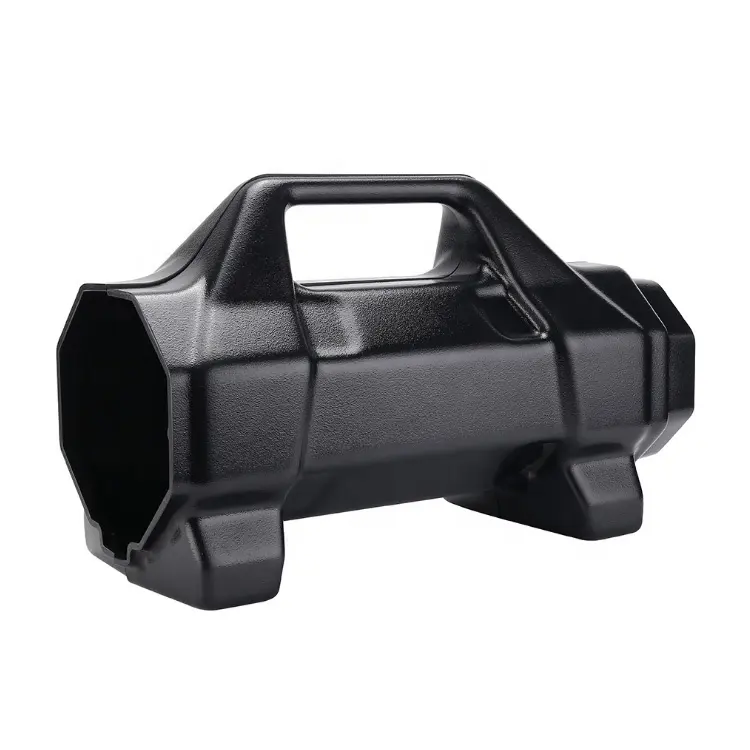
2. Manual processing:
Hand carving: Hand-carved prototypes are produced through manual processing methods such as woodworking and metal processing.
3. CNC processing:
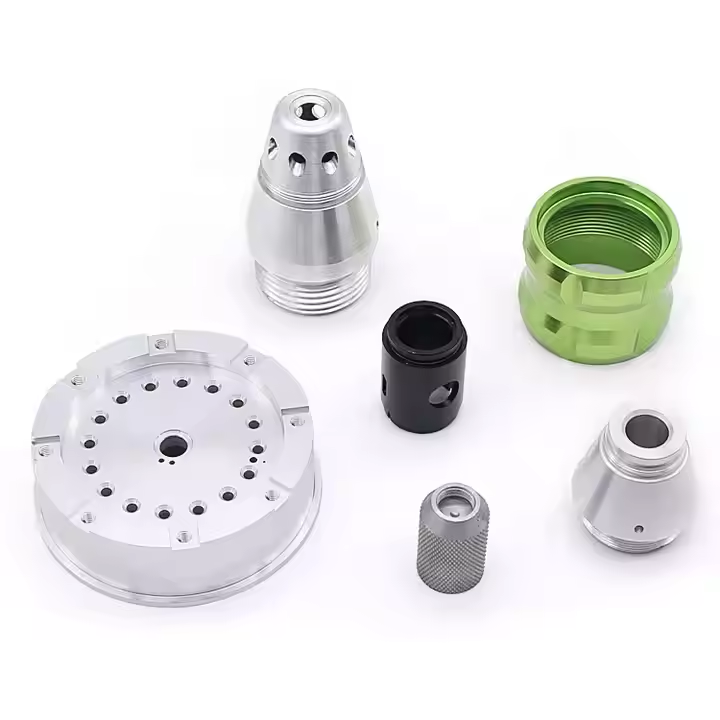
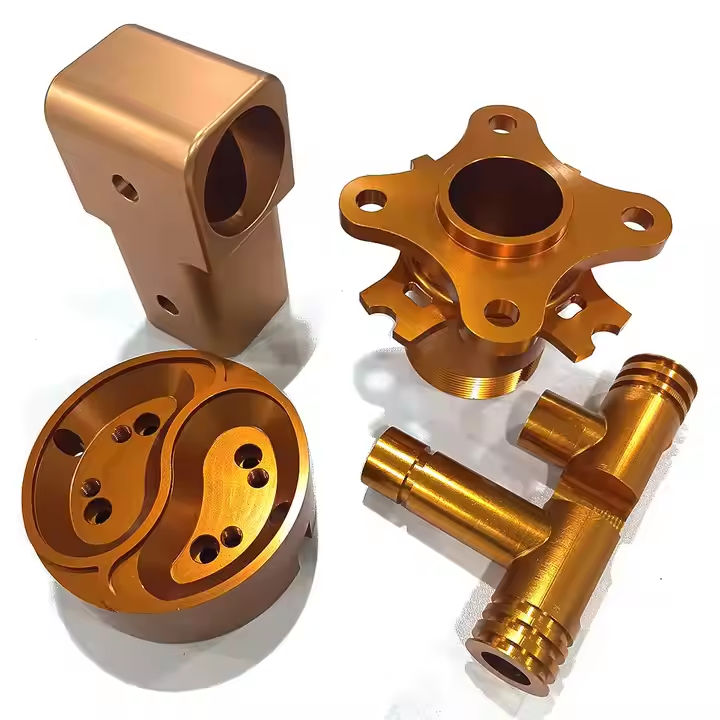
CNC processing: CNC machining are used for cutting to produce prototypes with precise dimensions.
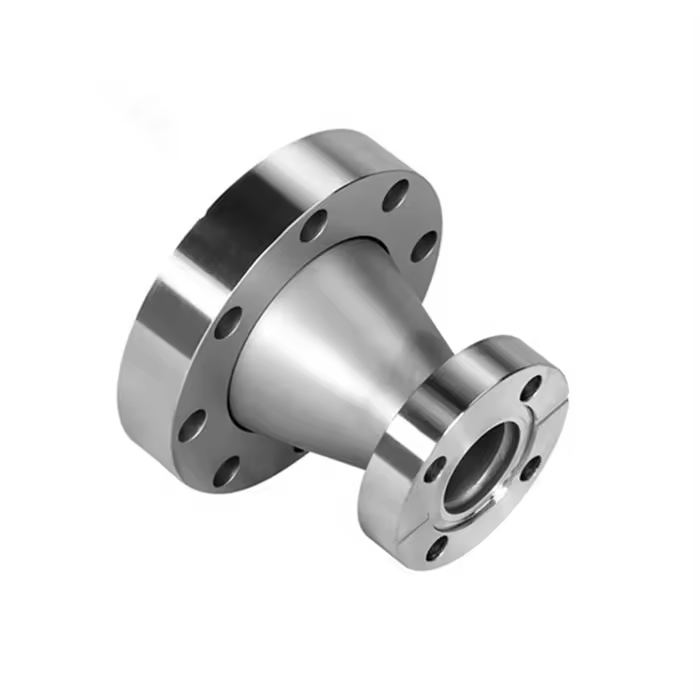
4. Die casting:
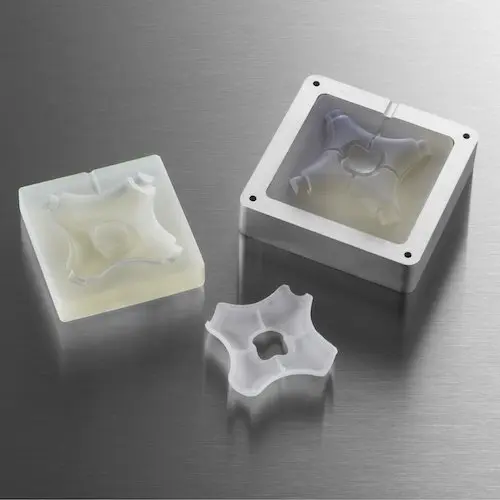
Rapid silicone mold production: Silicone molds are made, and then a prototype similar to the final product is produced through die casting.
5. Composite material production:
Glass fiber reinforced plastic (GRP): Lightweight and high-strength prototypes are produced using glass fiber reinforced plastic.
6. Vacuum forming: Vacuum forming: Prototypes with flat surfaces are produced through vacuum forming, which are suitable for making shell products.
These methods can be selected according to the requirements of product design and the complexity of production. According to actual needs, combined with factors such as cost, time and accuracy, choosing the right production method can effectively produce a prototype that meets the design requirements, helping designers and manufacturers verify product design and function.
How does five-axis machining compare to three-axis machining?
A Comprehensive Analysis of Four-axis and Five-axis Machinery: Characteristics, Differences and Application Fields
Related Article

This article analyzes the prospects of the custom parts industry from three aspects: market demand, technological innovation, and challenges and opportunities, with specific cases to illustrate its development trends.
Analysis of the Prospects of the Custom Parts Industry
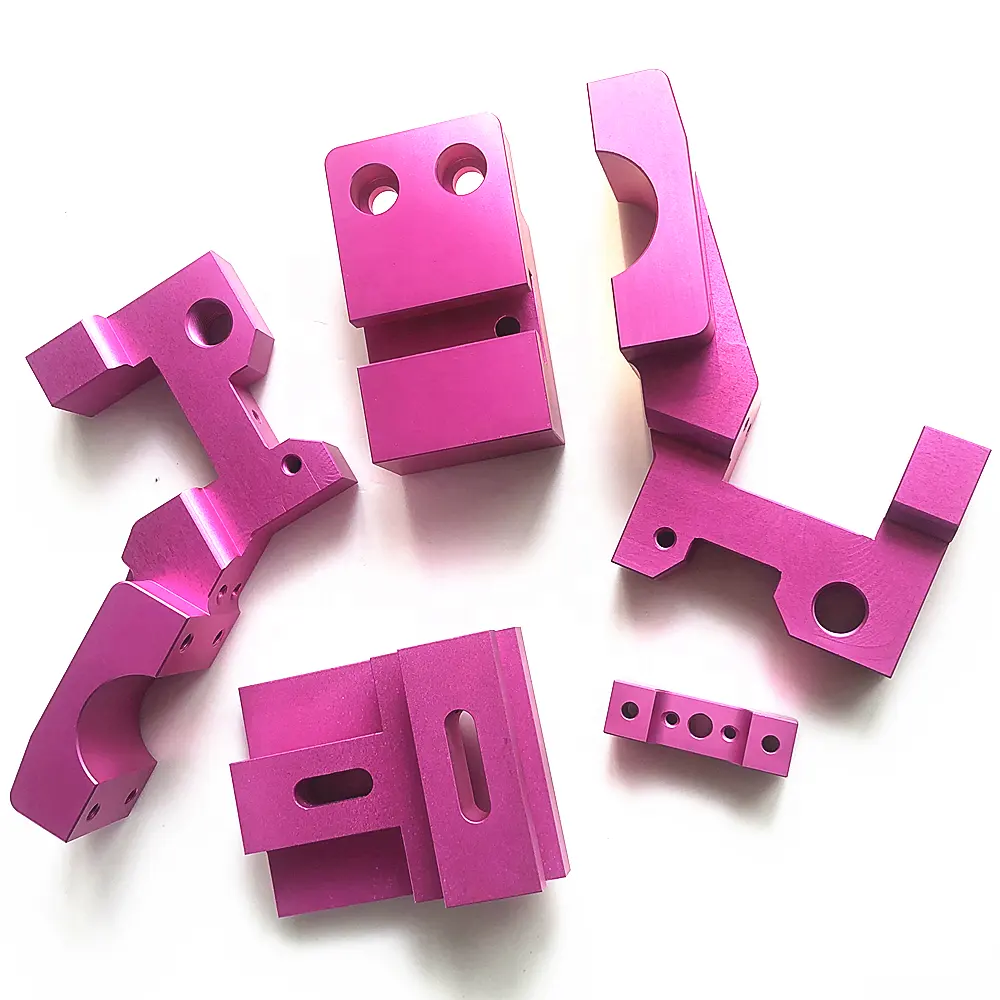
This article details CNC precision technology, covering its definition, applications in aerospace and electronics, advantages like high precision and automation, and its promising future in the manufacturing industry.
CNC Precision Technology: The Core Code of Modern Manufacturing and Its Infinite Potential
This part focuses on the shipbuilding industry, presenting a case of CNC technology application in the processing of large - scale ship propellers. It showcases how CNC technology addresses challenges in this field, improving processing efficiency and product quality, thus highlighting its significance in ship manufacturing.
CNC Technology Application Cases (Part 2)
This article focuses on the medical device manufacturing and 3C product manufacturing fields. Through specific cases, it elaborates on the remarkable achievements of CNC technology in manufacturing complex and precise components and improving product quality, demonstrating its crucial role in related industries.
CNC Technology Application Cases (Part 1)