
Innovations and Developments in Prototype Manufacturing
author: DJ-02
2024-12-09
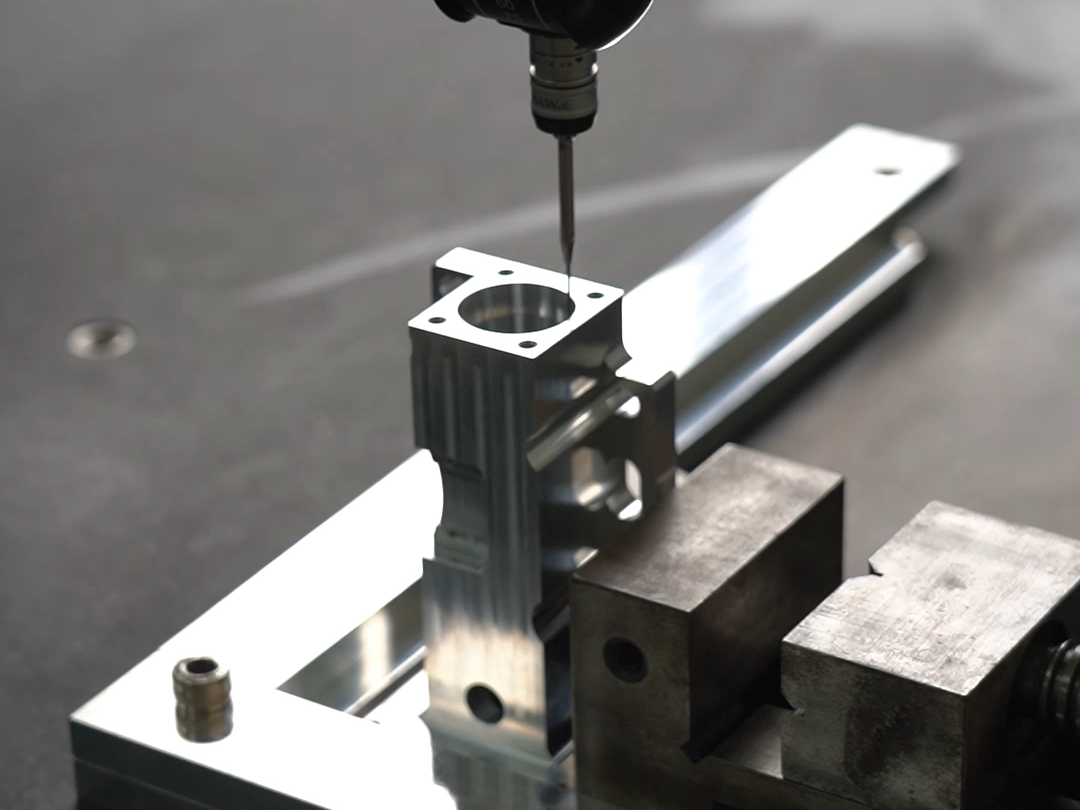
In the manufacturing industry, prototype manufacturing, as a crucial stage in product development, is undergoing unprecedented innovation and growth. A prototype, often referred to as a sample, is typically used to verify design concepts, conduct functional testing, and gather market feedback. In recent years, the rapid advancement of technologies such as 3D printing, CNC machining, and other advanced manufacturing techniques has significantly enhanced the efficiency and precision of prototype production.
Application of 3D Printing Technology
The widespread adoption of 3D printing technology has made prototype manufacturing more flexible. Designers can quickly transform digital models into physical samples, greatly reducing product development cycles. Additionally, 3D printing allows for the creation of complex shapes, meeting the creative needs of designers. This technology not only lowers material costs but also minimizes waste during the production process.
Advantages of CNC Machining
In addition to 3D printing, CNC (Computer Numerical Control) machining plays a vital role in prototype manufacturing. With its high precision and repeatability, CNC technology is ideal for producing complex components. By utilizing CNC machines, manufacturers can rapidly create prototypes that closely resemble the final product, providing a reliable basis for subsequent testing and validation.
Trends in Sustainable Development
As environmental awareness grows, the prototype manufacturing industry is actively exploring sustainable development pathways. An increasing number of companies are beginning to use recyclable materials and eco-friendly processes to reduce their environmental impact. Furthermore, the application of digital technology has made the production process more intelligent, thereby improving resource utilization efficiency.
Future Outlook
Looking ahead, prototype manufacturing is poised for even more innovation. With the development of technologies such as artificial intelligence and machine learning, the automation level of prototype production is expected to increase further. Smart manufacturing will lead to more efficient and flexible production, better meeting market demands.
In summary, the continuous advancement of prototype manufacturing technology not only enhances the efficiency of product development but also provides companies with a greater competitive edge. As the industry evolves, prototype manufacturing will play an increasingly important role in the future of manufacturing.
Contact Information
For more information, please contact:
DONGGUAN DJ PROTOTYPE TECHNOLOGY CO.,LTD.
Sally Huang
sally1@djproto.com
+86 18098219973
What metal materials are suitable for anodizing?
The Wonderful World of Turning Processing: A Fusion of Precision and Power
Related Article

This article analyzes the prospects of the custom parts industry from three aspects: market demand, technological innovation, and challenges and opportunities, with specific cases to illustrate its development trends.
Analysis of the Prospects of the Custom Parts Industry
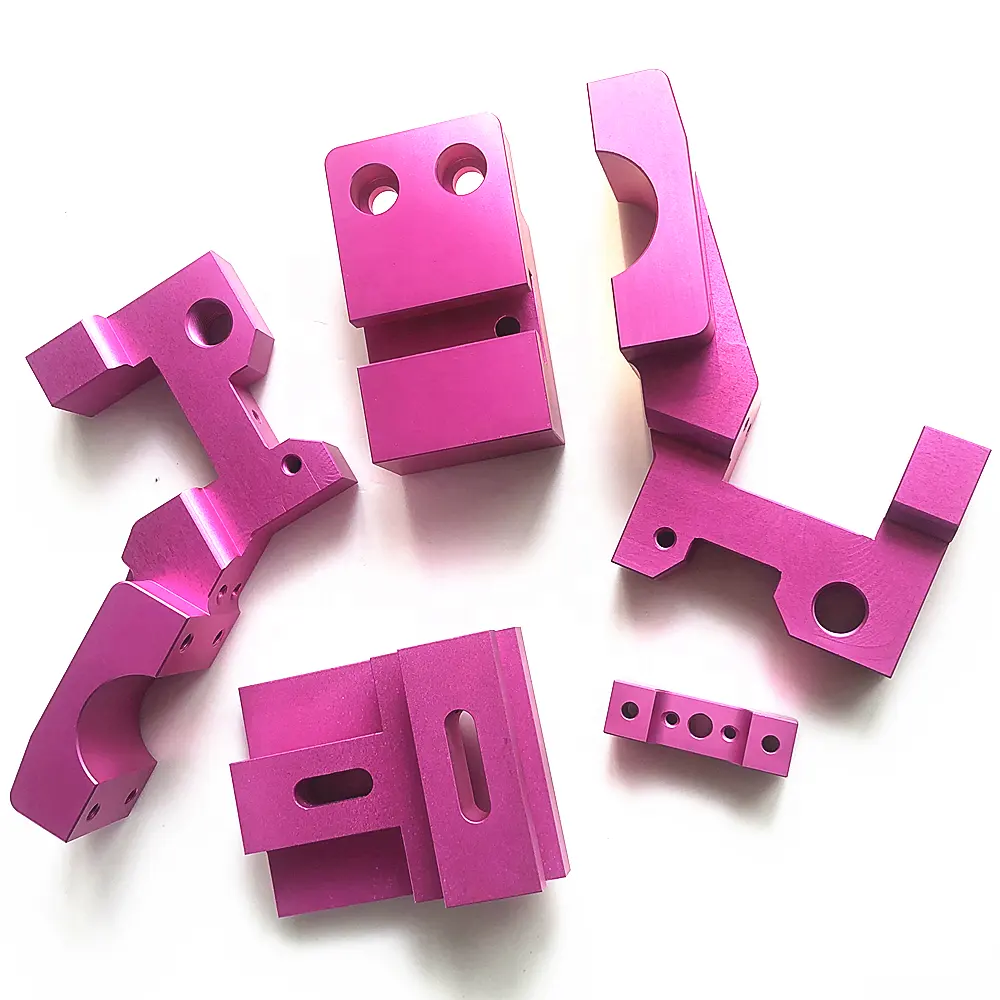
This article details CNC precision technology, covering its definition, applications in aerospace and electronics, advantages like high precision and automation, and its promising future in the manufacturing industry.
CNC Precision Technology: The Core Code of Modern Manufacturing and Its Infinite Potential
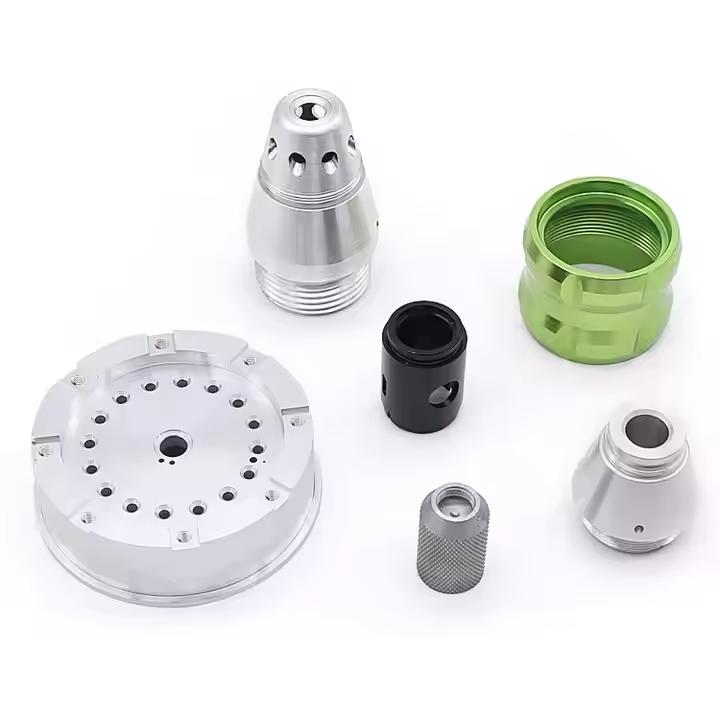
This part focuses on the shipbuilding industry, presenting a case of CNC technology application in the processing of large - scale ship propellers. It showcases how CNC technology addresses challenges in this field, improving processing efficiency and product quality, thus highlighting its significance in ship manufacturing.
CNC Technology Application Cases (Part 2)
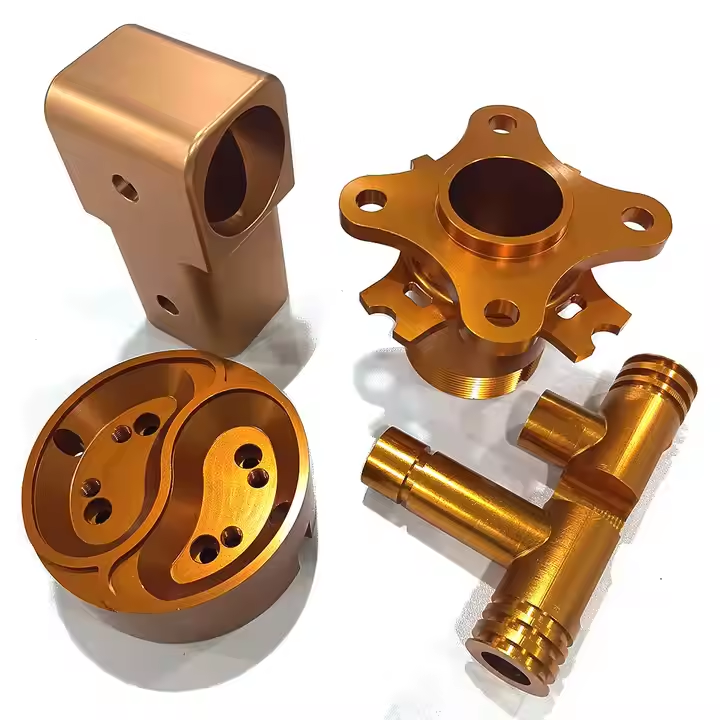
This article focuses on the medical device manufacturing and 3C product manufacturing fields. Through specific cases, it elaborates on the remarkable achievements of CNC technology in manufacturing complex and precise components and improving product quality, demonstrating its crucial role in related industries.
CNC Technology Application Cases (Part 1)