
Application of CNC machining in aerospace
author: DJ-02
2024-10-22
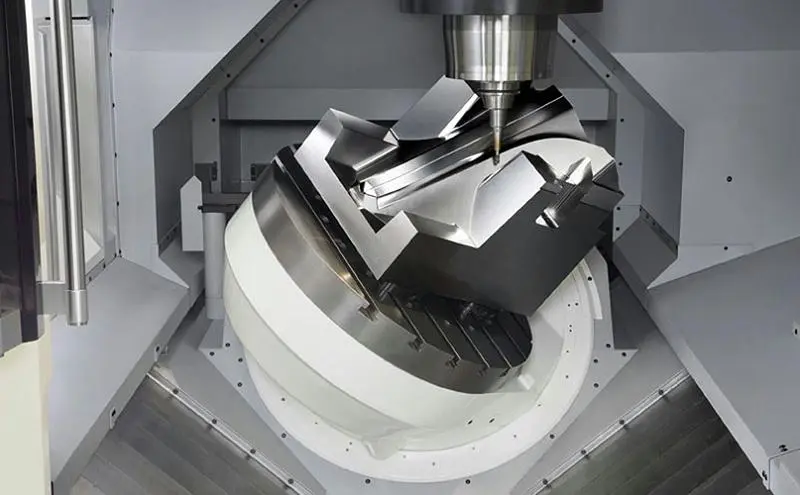
High-precision parts manufacturing
Aerospace devices have extremely high precision requirements. CNC machining can achieve micron-level precision and is suitable for manufacturing key components such as engine components, turbine blades and structural frames. These components are usually made of high-strength materials such as titanium alloys and aluminum alloys, and CNC machining can effectively handle these difficult-to-machine materials.
Machining of complex shapes
The design of aerospace vehicles often includes complex geometries to optimize aerodynamic performance. CNC machine tools can accurately manufacture complex surfaces and shapes such as wing components and fairings through multi-axis linkage machining.
Rapid prototyping
During the development of new products, CNC machining is used to quickly manufacture prototypes. This method can directly process physical objects from design drawings in a short period of time, facilitate design verification and testing, and improve R&D efficiency.
Repair and replacement parts
CNC machining also plays an important role in aerospace maintenance. It allows for the rapid production of replacement parts, reduces aircraft downtime, and improves operational efficiency. In addition, CNC machining can be used to manufacture customized tools and fixtures to support the maintenance process.
Material Utilization and Lightweight Design
Through precise cutting and machining path optimization, CNC machining can minimize material waste. This is crucial for lightweight design in the aerospace field, helping to reduce the weight of aircraft and improve fuel efficiency.
In short, the application of CNC machining in the aerospace field not only improves the manufacturing accuracy and efficiency of parts, but also supports the innovation and development of the industry.
Which plastics are best for high-precision parts?
Factors to consider when selecting materials for CNC machining (2)
Related Article

This article analyzes the prospects of the custom parts industry from three aspects: market demand, technological innovation, and challenges and opportunities, with specific cases to illustrate its development trends.
Analysis of the Prospects of the Custom Parts Industry
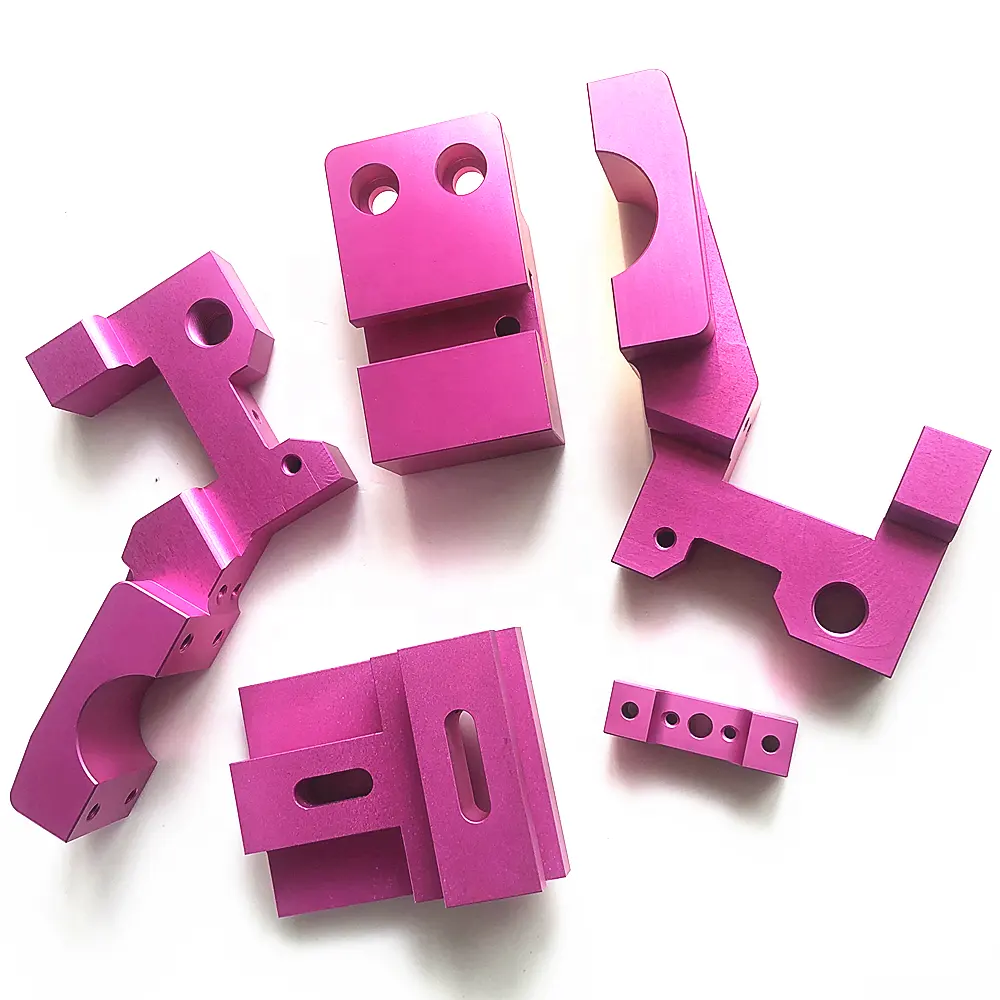
This article details CNC precision technology, covering its definition, applications in aerospace and electronics, advantages like high precision and automation, and its promising future in the manufacturing industry.
CNC Precision Technology: The Core Code of Modern Manufacturing and Its Infinite Potential
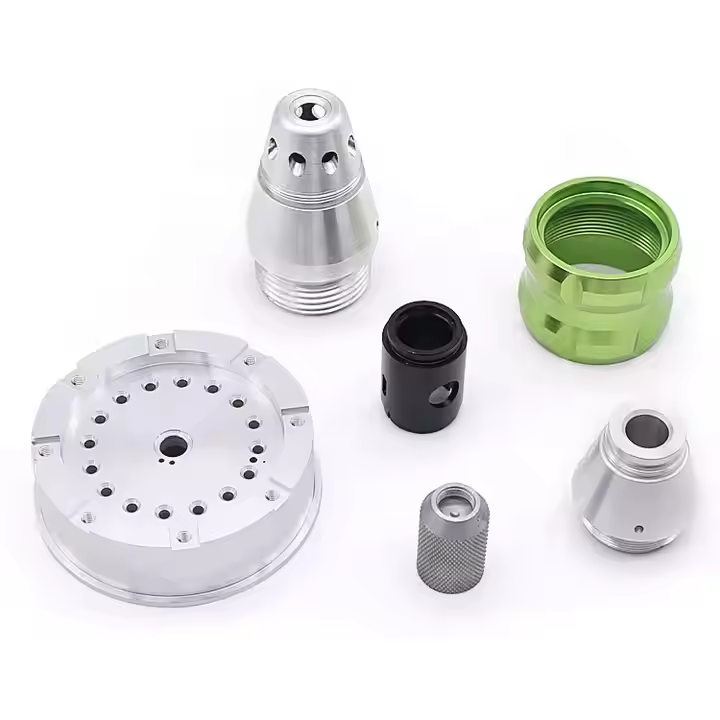
This part focuses on the shipbuilding industry, presenting a case of CNC technology application in the processing of large - scale ship propellers. It showcases how CNC technology addresses challenges in this field, improving processing efficiency and product quality, thus highlighting its significance in ship manufacturing.
CNC Technology Application Cases (Part 2)
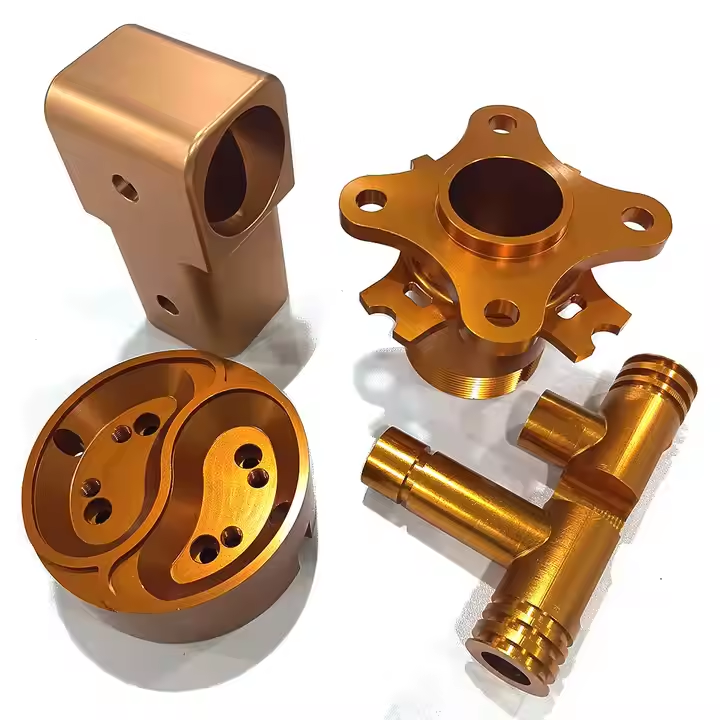
This article focuses on the medical device manufacturing and 3C product manufacturing fields. Through specific cases, it elaborates on the remarkable achievements of CNC technology in manufacturing complex and precise components and improving product quality, demonstrating its crucial role in related industries.
CNC Technology Application Cases (Part 1)