
How to choose the right abrasive grit to achieve the best surface roughness?
author: DJ-02
2025-01-10
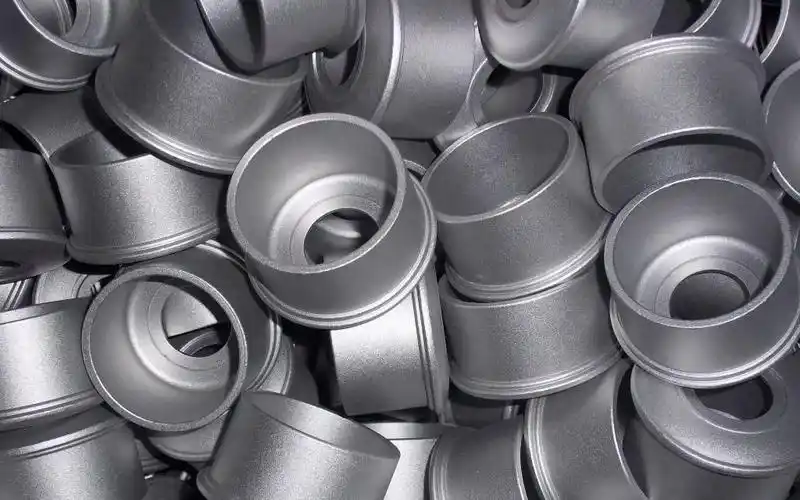
Choosing the right abrasive grit to achieve the best surface roughness is a critical step in the sandblasting process. Here are some guidelines and suggestions to help you make the right choice:
1. Understand the application requirements
Surface quality requirements: Determine the surface roughness required for the final product. Different applications have different surface quality requirements, for example:
Pre-treatment for coating: Usually moderate roughness is required to improve coating adhesion, and the grit size is selected to be medium to coarse.
Smooth surface: For surfaces that need to be polished, choose fine-grain abrasives to achieve better smoothness.
2. Consider the material type
Substrate characteristics: Different materials have different adaptability to abrasive grit sizes. For example:
Metals: Harder metals are generally suitable for medium to coarse abrasives.
Plastics or fragile materials: Fine or soft abrasives should be selected to avoid damage.
3. Abrasive grit classification
Coarse abrasives (e.g. 20-40 mesh): Suitable for removing heavy coatings, rust and oxides, can quickly clean the surface, but may cause greater surface roughness.
Medium abrasives (e.g. 40-80 mesh): Commonly used for general cleaning and surface roughening, suitable for most metal and plastic surface treatments.
Fine abrasives (e.g. 80-120 mesh): Suitable for fine cleaning and smoothing, can reduce surface damage.
4. Experimentation and adjustment
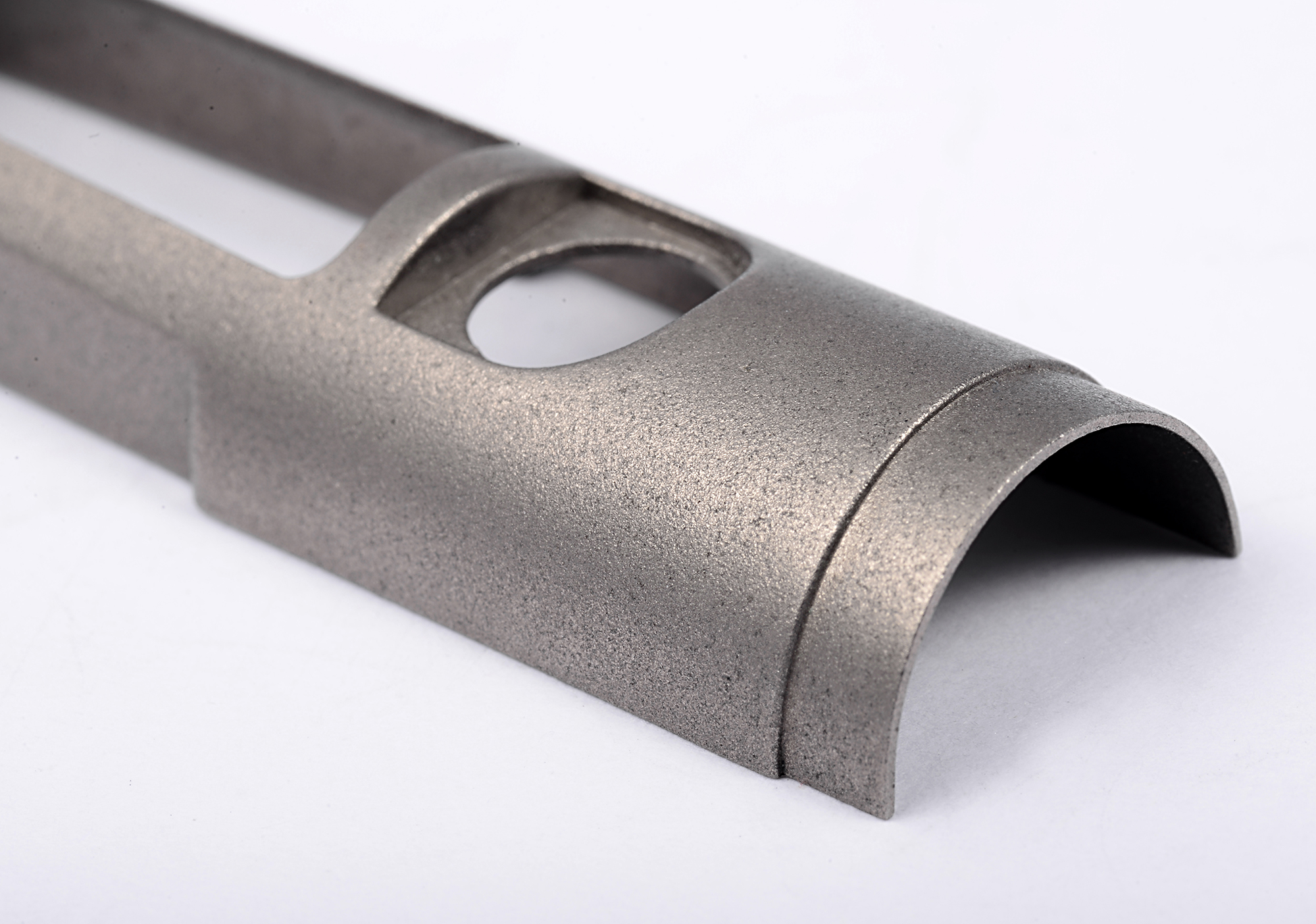
Experiment with different grits: In actual applications, small-scale experiments can be carried out to evaluate the effects of different grit abrasives on surface roughness, and adjustments can be made based on the results.
Adjusting the blasting pressure and distance: The blasting pressure and the distance between the nozzle and the workpiece will also affect the sandblasting effect, and need to be adjusted accordingly according to the selected abrasive grit.
5. Reference standards
Industry standards: Refer to relevant industry standards and literature for guidance on abrasive grit and required surface roughness.
6. Comprehensive consideration of sandblasting equipment
Sandblasting equipment capabilities: Some sandblasting equipment has limited adaptability to abrasive grit, and it is critical to select an abrasive grit that is compatible with the equipment.
Summary
Choosing the right abrasive grit is key to achieving the best surface roughness. Factors such as application requirements, material type, experimental results, and equipment capabilities should be considered comprehensively to ensure the success and effectiveness of the sandblasting process. Through systematic testing and adjustment, the most suitable abrasive grit can be found to ensure the desired surface effect.
Introduction to Epoxy Resin
Introduction to Polystyrene
Related Article

This article analyzes the prospects of the custom parts industry from three aspects: market demand, technological innovation, and challenges and opportunities, with specific cases to illustrate its development trends.
Analysis of the Prospects of the Custom Parts Industry
This article details CNC precision technology, covering its definition, applications in aerospace and electronics, advantages like high precision and automation, and its promising future in the manufacturing industry.
CNC Precision Technology: The Core Code of Modern Manufacturing and Its Infinite Potential
This part focuses on the shipbuilding industry, presenting a case of CNC technology application in the processing of large - scale ship propellers. It showcases how CNC technology addresses challenges in this field, improving processing efficiency and product quality, thus highlighting its significance in ship manufacturing.
CNC Technology Application Cases (Part 2)
This article focuses on the medical device manufacturing and 3C product manufacturing fields. Through specific cases, it elaborates on the remarkable achievements of CNC technology in manufacturing complex and precise components and improving product quality, demonstrating its crucial role in related industries.
CNC Technology Application Cases (Part 1)