
What specific tool geometries are best for 5-axis adaptive toolpaths?
author: DJ-02
2024-12-24
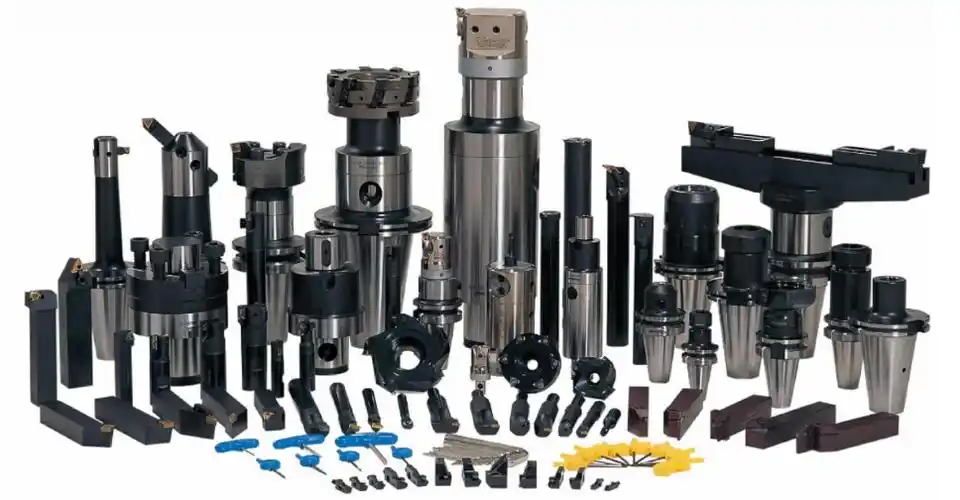
When using 5-axis adaptive toolpaths, specific tool geometries can significantly enhance machining performance, efficiency, and surface finish. Here are some of the best tool geometries for this application:
Ball Nose End Mills:
Description: These tools have a hemispherical end, allowing for smooth contouring and finishing operations on complex surfaces.
Benefits: Ideal for 3D machining, they maintain a consistent engagement with the material, reducing chatter and improving surface quality.
Tapered End Mills:
Description: These tools feature a tapering design that allows for better access to tight corners and angled surfaces.
Benefits: They are particularly useful for machining steep features and undercuts, providing versatility in 5-axis applications.
Corner Radius End Mills:
Description: These tools have rounded corners that reduce the risk of chipping and improve surface finishes.
Benefits: The rounded geometry helps in maintaining smooth transitions and can handle more aggressive cutting parameters without compromising tool life.
Flat End Mills:
Description: Standard flat end mills are used for general machining and can be effective in 5-axis operations.
Benefits: They provide good material removal rates and can be used for roughing and finishing passes, especially on flat surfaces.
High-Feed Milling Cutters:
Description: These tools have a unique geometry that allows for high material removal rates with shallow depths of cut.
Benefits: They are effective for adaptive toolpaths as they maintain a constant cutting load, reducing tool wear and improving surface finish.
Multi-Functional Tools:
Description: Tools designed for specific applications, such as drilling and milling in one operation.
Benefits: These tools can reduce setup time and improve efficiency in complex machining tasks.
Specialized Coated Tools:
Description: Tools with coatings designed for specific materials or applications (e.g., TiAlN for aluminum).
Benefits: Coatings can improve wear resistance and reduce friction, enhancing performance during adaptive machining.
Insert Tools:
Description: Tools with replaceable inserts that can be customized for specific materials and operations.
Benefits: They allow for flexibility in machining strategies and can be adapted quickly to different tasks, making them suitable for dynamic environments.
When selecting tool geometries for 5-axis adaptive toolpaths, consider the specific requirements of the part geometry, material, and desired surface finish. Using the appropriate tool geometry can optimize machining efficiency, enhance tool life, and ultimately improve the quality of the finished product.
The impact of tool length on surface finish?
How does the selection of cutting tools impact the effectiveness of adaptive toolpaths?
Related Article

This article analyzes the prospects of the custom parts industry from three aspects: market demand, technological innovation, and challenges and opportunities, with specific cases to illustrate its development trends.
Analysis of the Prospects of the Custom Parts Industry
This article details CNC precision technology, covering its definition, applications in aerospace and electronics, advantages like high precision and automation, and its promising future in the manufacturing industry.
CNC Precision Technology: The Core Code of Modern Manufacturing and Its Infinite Potential
This part focuses on the shipbuilding industry, presenting a case of CNC technology application in the processing of large - scale ship propellers. It showcases how CNC technology addresses challenges in this field, improving processing efficiency and product quality, thus highlighting its significance in ship manufacturing.
CNC Technology Application Cases (Part 2)
This article focuses on the medical device manufacturing and 3C product manufacturing fields. Through specific cases, it elaborates on the remarkable achievements of CNC technology in manufacturing complex and precise components and improving product quality, demonstrating its crucial role in related industries.
CNC Technology Application Cases (Part 1)