
The impact of tool length on surface finish?
author: DJ-02
2024-12-24

The length of the cutting tool significantly impacts surface finish in CNC machining. Here are some key factors illustrating this relationship:
Vibration and Stability:
Impact: Longer tools are more prone to vibrations during machining, which can lead to chatter. This vibration can create an uneven surface finish and reduce the overall quality of the part.
Consideration: Using shorter tools can improve stability and reduce the likelihood of vibrations, contributing to a smoother finish.
Tool Deflection:
Impact: Longer tools experience greater deflection under cutting forces, which can alter the tool path and result in inaccuracies in machining.
Consideration: Minimizing tool length helps maintain precise cutting paths, leading to improved surface quality.
Cutting Edge Engagement:
Impact: The length of the tool affects how much of the cutting edge engages with the material. Longer tools may not maintain consistent engagement, especially in complex geometries.
Consideration: Properly selecting tool length can ensure optimal engagement, improving the surface finish.
Heat Generation:
Impact: Longer tools may retain more heat due to increased friction over a longer cutting path, potentially leading to thermal expansion and altered dimensions.
Consideration: Managing heat through proper cooling strategies can mitigate these effects, but shorter tools inherently generate less heat.
Feed Rates and Speeds:
Impact: Tool length can influence the maximum allowable feed rates and spindle speeds. Longer tools may require lower speeds and feeds to avoid excessive deflection and vibration.
Consideration: Adjusting machining parameters based on tool length is essential to achieving the desired surface finish.
Tool Wear:
Impact: Longer tools may experience uneven wear due to variable engagement along their length, affecting the quality of the machining process.
Consideration: Monitoring and replacing tools regularly can help maintain consistent performance and surface finish.
Access to Features:
Impact: Longer tools may have difficulty accessing certain features or complex geometries, leading to poor machining quality in those areas.
Consideration: Selecting the appropriate tool length for the specific part geometry can enhance machining efficiency and surface quality.
In summary, while longer tools can be useful for reaching deeper or more complex features, they often introduce challenges that can negatively impact surface finish. Using shorter tools when feasible, optimizing tool selection, and adjusting machining parameters can help achieve better surface quality in CNC machining.
What are the specific steps of electropolishing?
What specific tool geometries are best for 5-axis adaptive toolpaths?
Related Article

This article analyzes the prospects of the custom parts industry from three aspects: market demand, technological innovation, and challenges and opportunities, with specific cases to illustrate its development trends.
Analysis of the Prospects of the Custom Parts Industry
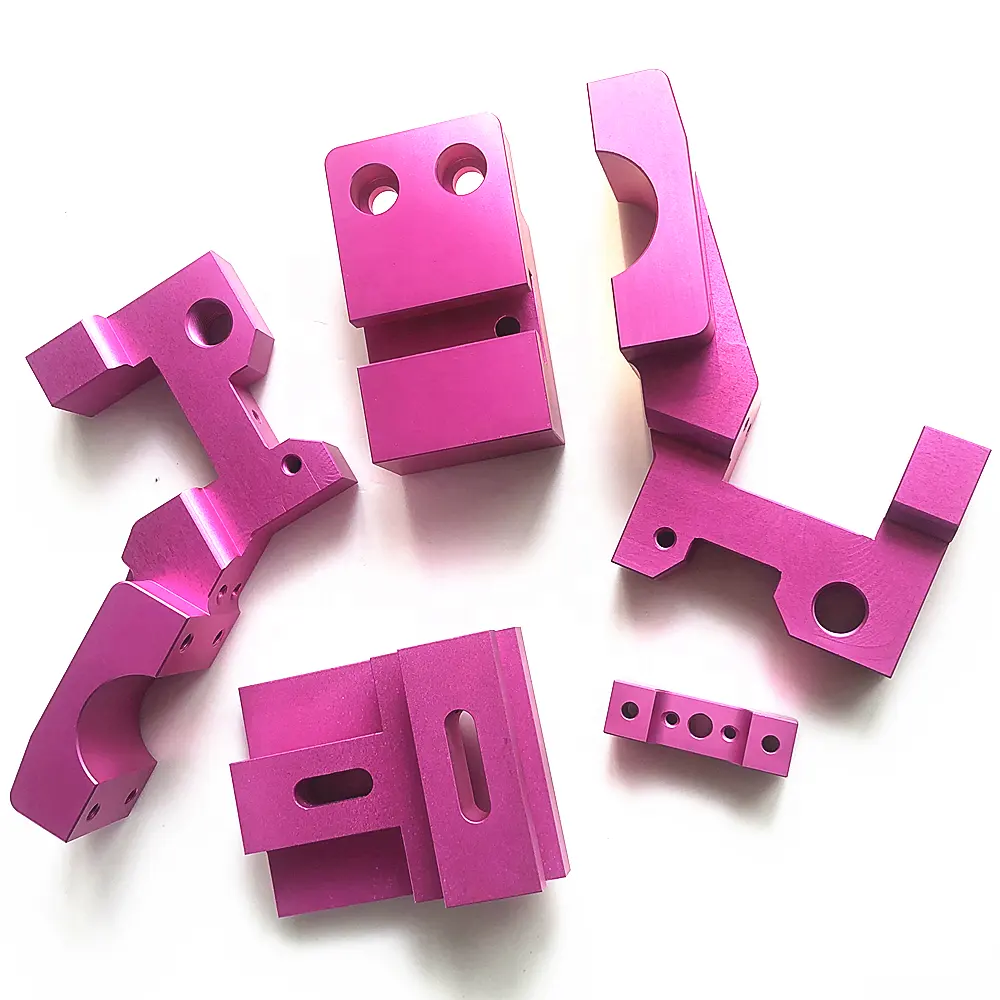
This article details CNC precision technology, covering its definition, applications in aerospace and electronics, advantages like high precision and automation, and its promising future in the manufacturing industry.
CNC Precision Technology: The Core Code of Modern Manufacturing and Its Infinite Potential
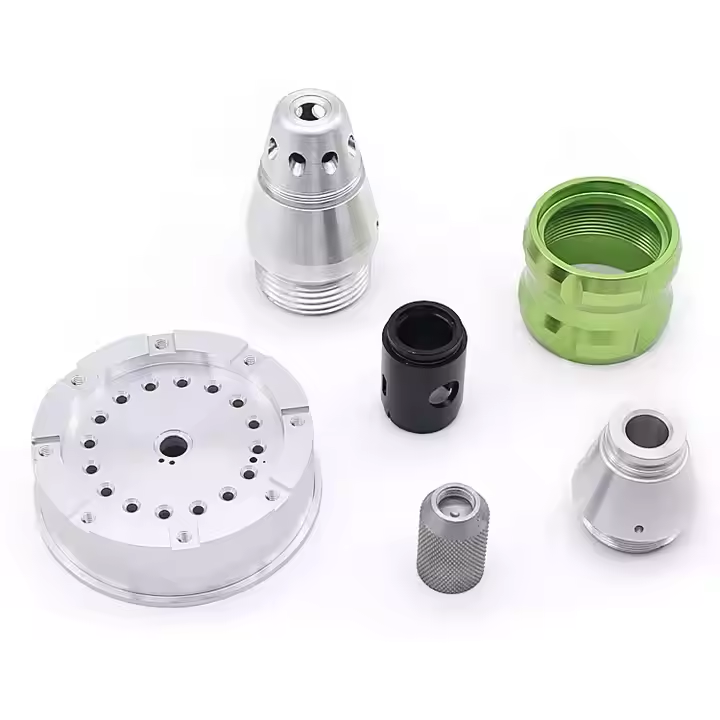
This part focuses on the shipbuilding industry, presenting a case of CNC technology application in the processing of large - scale ship propellers. It showcases how CNC technology addresses challenges in this field, improving processing efficiency and product quality, thus highlighting its significance in ship manufacturing.
CNC Technology Application Cases (Part 2)
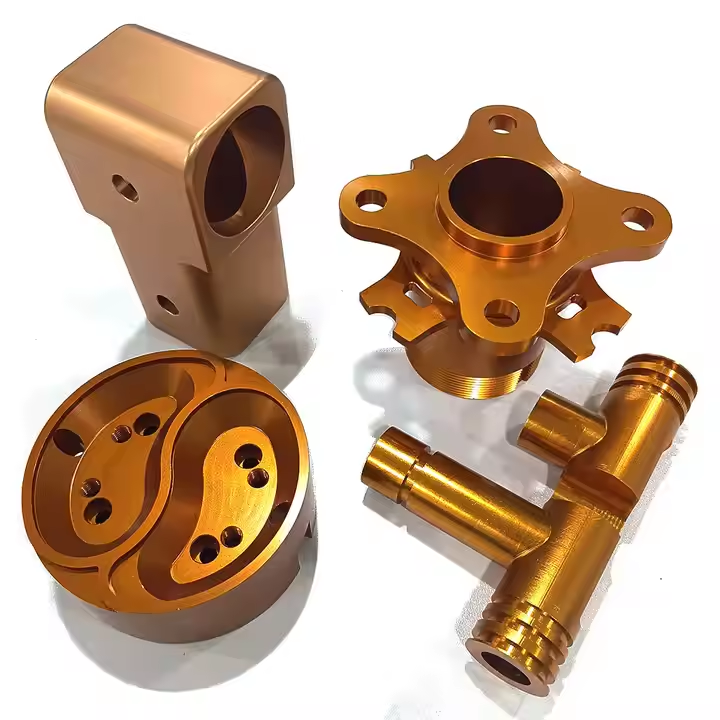
This article focuses on the medical device manufacturing and 3C product manufacturing fields. Through specific cases, it elaborates on the remarkable achievements of CNC technology in manufacturing complex and precise components and improving product quality, demonstrating its crucial role in related industries.
CNC Technology Application Cases (Part 1)