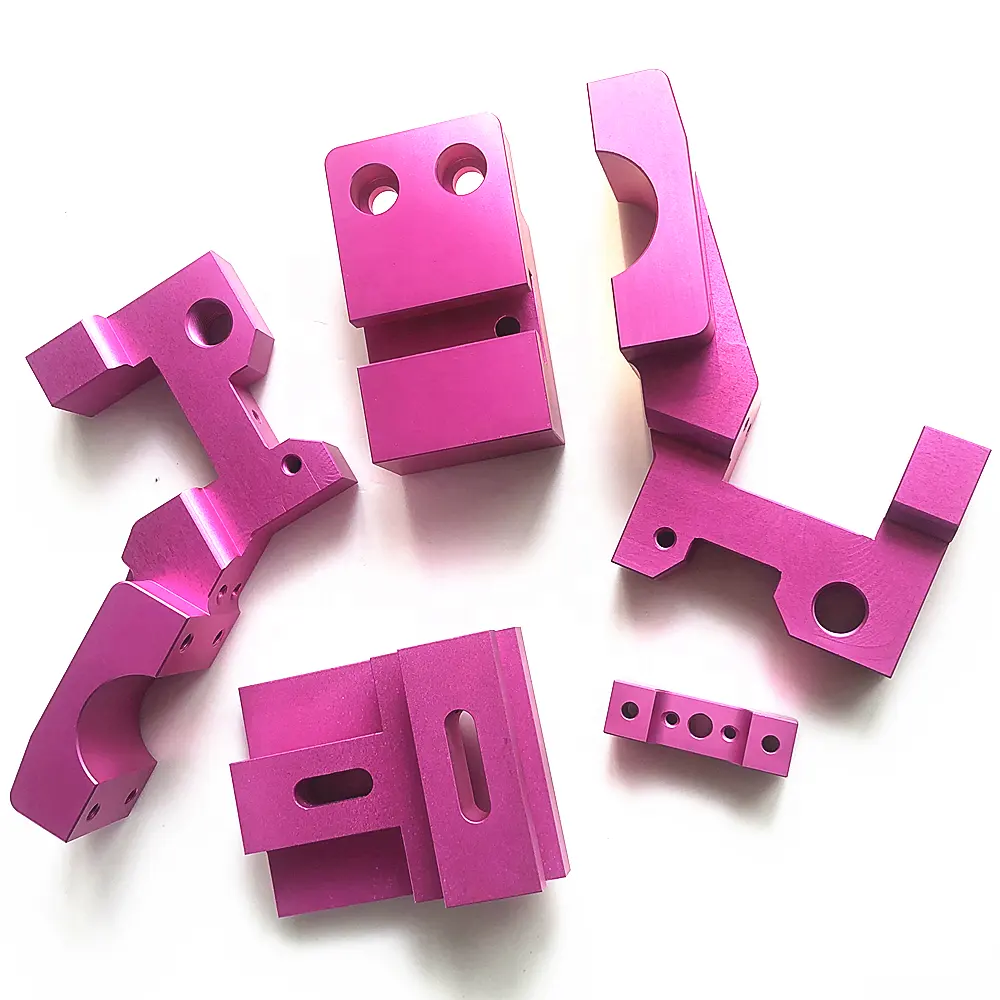
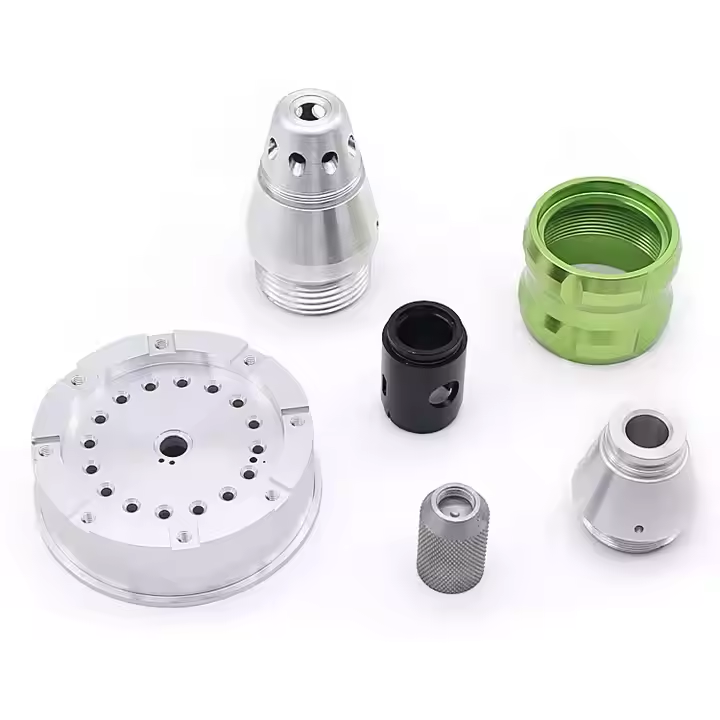
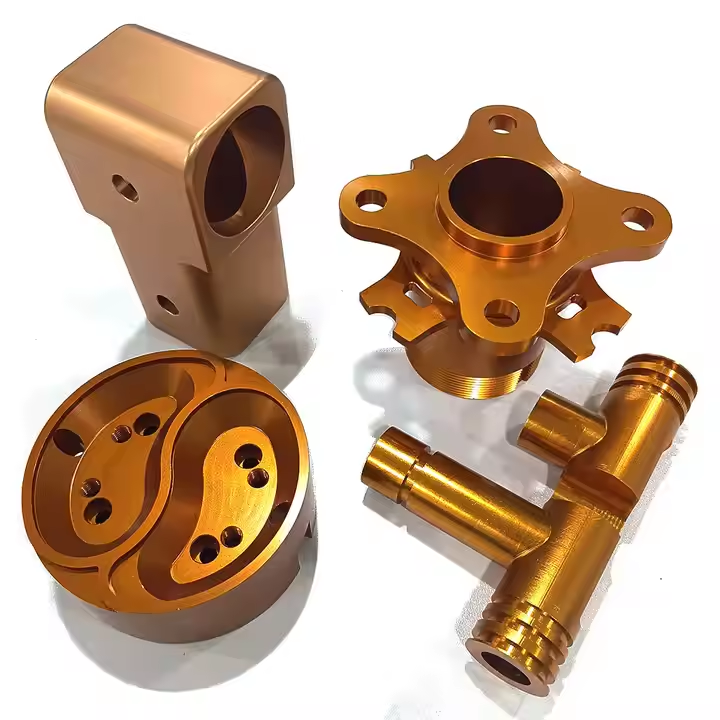
Aluminum alloy with these 5 surface treatments, the product is more textured

Aluminum alloy with these 5 surface treatments, the product is more textured
01
Polishing
Polishing is mainly to reduce the roughness of the metal surface through mechanical polishing or chemical polishing, but polishing cannot improve the dimensional accuracy or geometric shape accuracy of the parts, but is used to obtain a smooth surface or mirror-like glossy appearance.
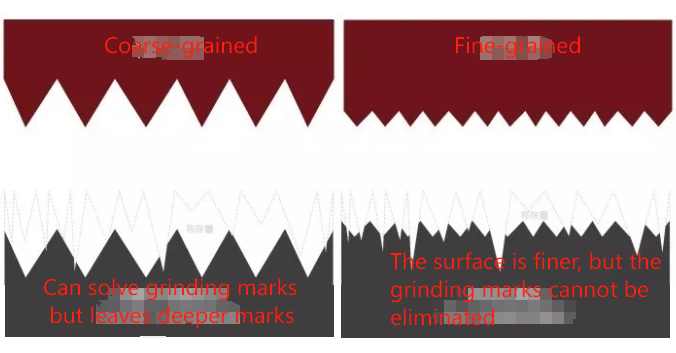
Mechanical polishing uses sandpaper or polishing wheels to reduce the roughness and make the metal surface flat and bright. However, the hardness of aluminum alloy is not high, and using coarse-grained grinding and polishing materials will leave deeper grinding lines. If fine-grained materials are used, the surface is more delicate, but the ability to remove milling lines is greatly reduced.
Chemical polishing is an electrochemical process that can be thought of as the reverse of electroplating, removing a thin layer of material from the metal surface, leaving a smooth, ultra-clean surface with a uniform sheen and none of the fine lines that occur with physical polishing.
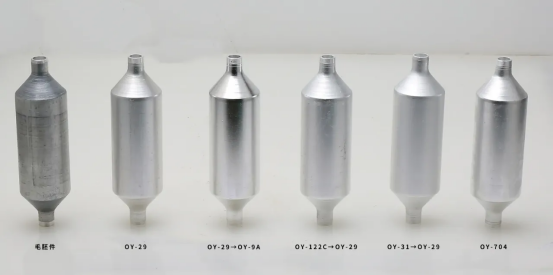
In the medical field, chemical polishing can make surgical tools easier to clean and disinfect. In appliances such as refrigerators and washing machines, chemical polishing products can extend the service life of parts and make them look brighter. Chemical polishing can reduce friction resistance and be more energy-efficient and safer on key aircraft parts.
02
Sandblasting
Many electronic products use sandblasting technology to give the product surface a more subtle matte touch, similar to frosted glass. The matte material is subtle and steady, creating a low-key and durable feature of the product.
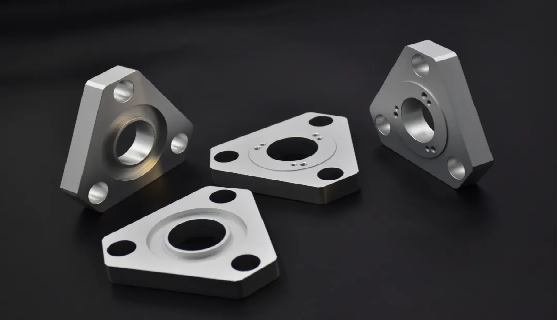
Sandblasting uses compressed air as the power to spray materials such as copper ore sand, quartz sand, corundum, iron sand, sea sand, etc. at high speed onto the surface of aluminum alloy, changing the mechanical properties of the surface of aluminum alloy parts, improving the fatigue resistance of parts, and increasing the adhesion between the original surface of parts and coatings, which is more beneficial to the durability of the coating and the leveling and decoration of the coating.
The sandblasting surface treatment process is the fastest and most thorough cleaning method. You can choose between different roughnesses to form different roughnesses on the surface of aluminum alloy parts.
03
Wire drawing
Wire drawing is very common in product design, such as notebooks and headphones in electronic products; refrigerators and air purifiers in household products; it is also used in car interiors, and the center console with a wire drawing panel can also enhance the quality of the car.
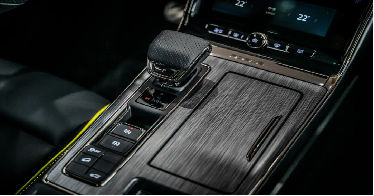
Repeatedly scraping lines on the aluminum plate with sandpaper can clearly show every tiny trace, making the matte metal shine with fine hair luster, giving the product a strong and majestic beauty. According to the needs of decoration, it can be made into straight lines, random lines, spiral lines and other types.

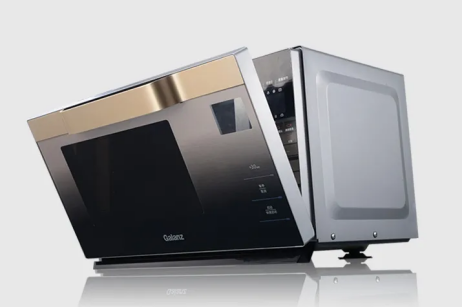
The microwave oven, which won the IF Award, uses a brushed surface process, which has a firm and majestic beauty, combining fashion and technology.
04
Highlight milling
Highlight milling is a process that uses a precision engraving machine to cut parts and process local highlight areas on the product surface. Some mobile phone metal shells are milled with a circle of highlight chamfers, and some small metal parts are milled with one or several highlight shallow straight grooves, which increases the bright color changes on the product surface and has a strong sense of fashion.
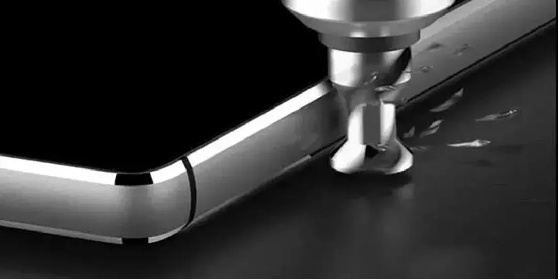
In recent years, some high-end TV metal frames have adopted high-gloss milling technology, combined with anodizing and brushing technology, making the overall TV full of fashion and technological sharpness.
05
Anodizing
In most cases, aluminum parts are not suitable for electroplating because aluminum parts are very susceptible to oxygen and can easily form an oxide film, which will seriously affect the bonding strength of the electroplating layer. Anodizing is generally used.
Anodizing refers to the electrochemical oxidation of metals or alloys. Under specific conditions and the action of an applied current, a layer of aluminum oxide film is formed on the surface of the part, which improves the surface hardness and surface wear resistance of the part and enhances its corrosion resistance.
In addition, through the adsorption capacity of a large number of micropores in the oxide film thin layer, the surface of the part can be colored into various beautiful and bright colors, enriching the color performance of the part and increasing the beauty of the product.
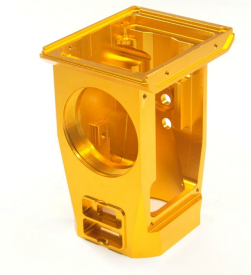
Aluminum alloy parts can be treated with the above 5 types of surface treatments. Dongguan DJ Prototype Technology Co.Ltd can also provide surface treatment processes suitable for various materials, including electroplating, printing, laser engraving, painting, silk screen printing, etc., to meet your diverse process technology needs for prototype molds.
Rapid CNC Machining: The Ideal Solution for Custom Metal and Plastic Parts
Anodizing in CNC machining service
Related Article