
Overview of Metal Aftertreatment Process - Polishing Process
author: DJ-03
2024-09-23
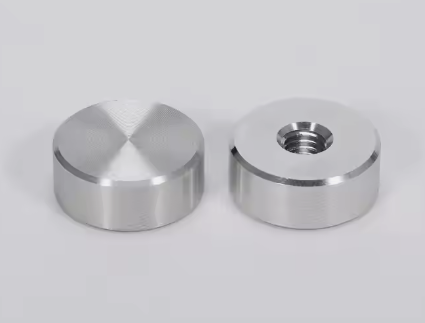
Overview of Metal Aftertreatment Process - Polishing Process
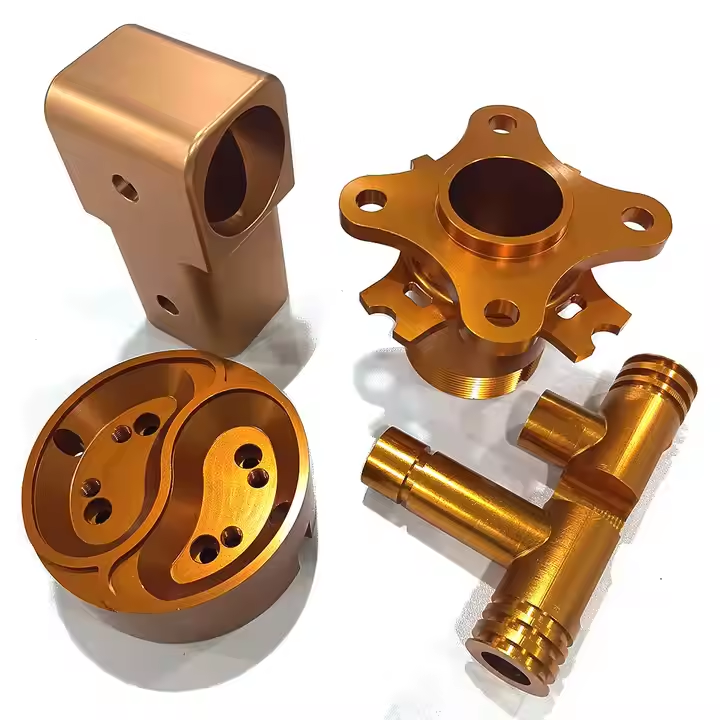
Polishing is a process of reducing the surface roughness of metals through mechanical, chemical, or electrochemical actions to obtain a bright and smooth surface. It can not only enhance the aesthetics of the product, but also improve the wear resistance, corrosion resistance, and fatigue resistance of the surface. Polishing technology is widely used in various fields such as automobiles, machinery, electronics, furniture, and construction.
The polishing process is mainly divided into three categories:
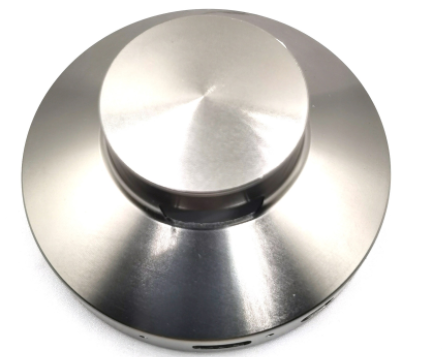
The characteristics of these three types of polishing methods are as follows:
- Mechanical polishing: Using mechanical friction and the difference in particle size of abrasives, gradually removing the rough layer on the metal surface until a smooth and shiny effect is achieved. Easy to operate, relatively low cost, but may cause minor scratches on the surface, suitable for various metal materials.
- Chemical polishing: By reacting chemical reagents with metal surfaces, the raised parts of the surface are dissolved, making the surface smooth. It can handle complex shaped parts and achieve high glossiness, but the cost is high and may have a certain impact on the environment.
- Electrolytic polishing: Using the principle of electrochemical reaction, the protruding parts of the metal surface are dissolved through electrolytic action in the electrolyte, achieving a smooth and bright effect. High efficiency, suitable for large-scale production, and capable of handling high hardness metal materials.
In summary, metal polishing technology is an important metal surface treatment technique that uses mechanical, chemical, or electrochemical methods to make the metal surface smooth like a mirror, providing strong guarantees for the aesthetics and performance of products.
Metal surface treatment process - grinding
What is finishing process?
Related Article

This article analyzes the prospects of the custom parts industry from three aspects: market demand, technological innovation, and challenges and opportunities, with specific cases to illustrate its development trends.
Analysis of the Prospects of the Custom Parts Industry
This article details CNC precision technology, covering its definition, applications in aerospace and electronics, advantages like high precision and automation, and its promising future in the manufacturing industry.
CNC Precision Technology: The Core Code of Modern Manufacturing and Its Infinite Potential
This part focuses on the shipbuilding industry, presenting a case of CNC technology application in the processing of large - scale ship propellers. It showcases how CNC technology addresses challenges in this field, improving processing efficiency and product quality, thus highlighting its significance in ship manufacturing.
CNC Technology Application Cases (Part 2)
This article focuses on the medical device manufacturing and 3C product manufacturing fields. Through specific cases, it elaborates on the remarkable achievements of CNC technology in manufacturing complex and precise components and improving product quality, demonstrating its crucial role in related industries.
CNC Technology Application Cases (Part 1)