
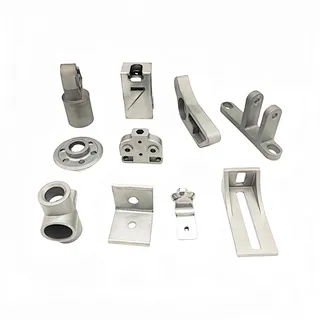
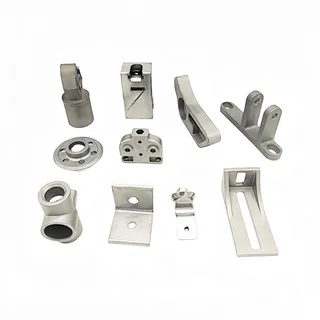


Metal Customize Parts CNC Machining Service
DJ-04-00003
Part Material: Aluminum
Surface Treatment: Anodizing
Lead time: 7-10 days
Processing: CNC machining
Surface Treatment: Anodizing
Lead time: 7-10 days
Processing: CNC machining
Quantity
Rapid machining services offer fast production of parts and components using advanced technologies, ideal for prototyping and emergency repairs.
Aluminum CNC machining involves the use of computer numerical control (CNC) machines to precisely cut and shape aluminum parts. Key points of aluminum CNC machining expertise include:
Aluminum Alloys: Understand the different types of aluminum alloys (6061, 7075, 5052, etc.) commonly used in CNC machining. Each has its own unique properties that make it suitable for different applications.
Tool Selection: Aluminum is softer compared to other metals, so the proper selection of cutting tools is important for aluminum machining. Carbide tools are often preferred due to their durability and heat resistance.
Speed and Feed: Proper adjustment of cutting speed and feed is essential to achieve optimal machining results with aluminum. Fast and light cuts are usually recommended to prevent work hardening.
Chip Control: Effective chip control is important to prevent chip re-cutting and ensure a smooth machining process. Proper chip evacuation techniques can improve surface finish and tool life.
Use Coolants: Aluminum is known for its excellent thermal conductivity, but the use of coolants and lubricants during machining can extend tool life, control temperatures, and improve surface finish.
Surface Finish: Achieving a high-quality surface finish is crucial when machining aluminum. Understanding finishing techniques such as polishing, anodizing, and powder coating can enhance the appearance and properties of the final part.
Tolerances and Dimensional Accuracy: CNC machining of aluminum requires attention to detail to meet precise tolerances and dimensional accuracy. Proper setup, tool calibration, and machine calibration are essential to ensure consistency.
Minimize Vibration: Aluminum is prone to chatter and vibration during machining, which affects surface finish and tool life. Techniques such as using proper cutting parameters and toolpaths can help minimize these issues.
Fixture Design: Designing an effective fixture to securely hold aluminum parts during machining is critical for accuracy and repeatability. Consider factors such as clamping pressure, part orientation, and tool accessibility.
Quality Control: Robust quality control measures including inspection, measurement and testing ensure that aluminium parts meet specifications and quality standards, providing reliable and consistent results to customers.
Use Coolants: Aluminum is known for its excellent thermal conductivity, but the use of coolants and lubricants during machining can extend tool life, control temperatures, and improve surface finish.
Surface Finish: Achieving a high-quality surface finish is crucial when machining aluminum. Understanding finishing techniques such as polishing, anodizing, and powder coating can enhance the appearance and properties of the final part.
Tolerances and Dimensional Accuracy: CNC machining of aluminum requires attention to detail to meet precise tolerances and dimensional accuracy. Proper setup, tool calibration, and machine calibration are essential to ensure consistency.
Minimize Vibration: Aluminum is prone to chatter and vibration during machining, which affects surface finish and tool life. Techniques such as using proper cutting parameters and toolpaths can help minimize these issues.
Fixture Design: Designing an effective fixture to securely hold aluminum parts during machining is critical for accuracy and repeatability. Consider factors such as clamping pressure, part orientation, and tool accessibility.
Quality Control: Robust quality control measures including inspection, measurement and testing ensure that aluminium parts meet specifications and quality standards, providing reliable and consistent results to customers.